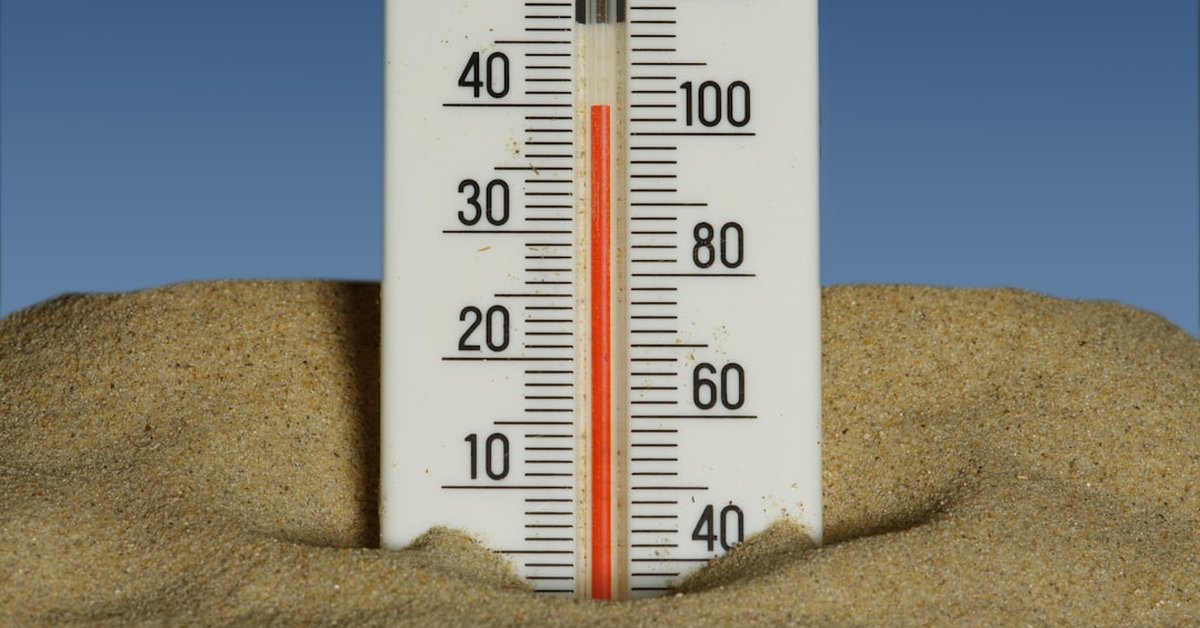






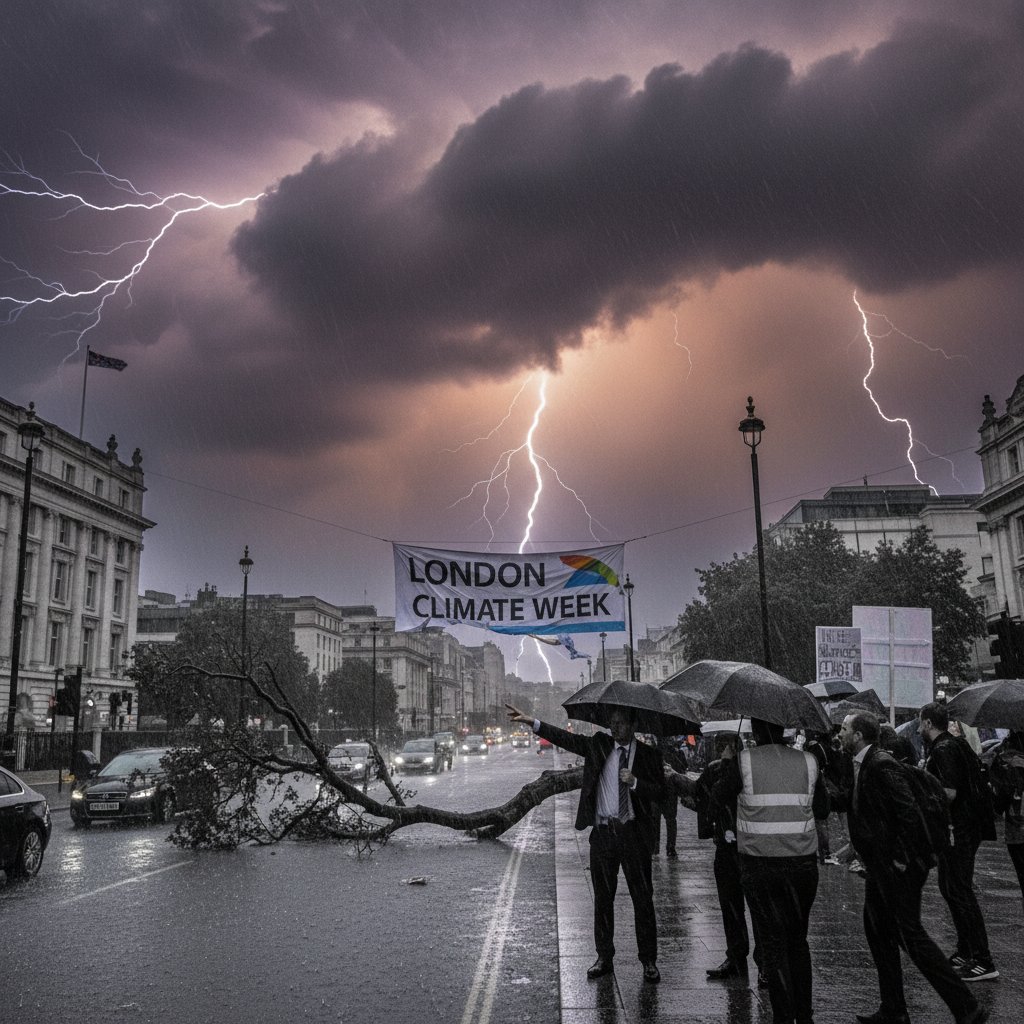
London is baking. And here’s the irony: Climate Week, the city’s flagship event dedicated to tackling global warming, has been thrown into chaos — by global warming itself. As temperatures soared past 40°C (104°F) on July 19, 2025, organizers were forced to cancel outdoor sessions, move panel discussions indoors, and scrap planned protests. It’s a gut punch of a reminder that climate change isn’t a distant threat. It’s here. It’s now. And it’s disrupting the very conversations meant to stop it.
I’ve covered extreme weather for years — from hurricanes lashing the Gulf Coast to wildfires swallowing California towns. But watching London, a city famously unprepared for heat, buckle under this kind of intensity? That hits different. The Guardian reported that emergency services saw a 300% spike in heat-related calls. Reuters confirmed this was the hottest day in UK history. And Climate Week? It became a live case study of what happens when reality outpaces our plans.
An Event on Heat Canceled by Heat
Let that sink in. The featured session, “Adapting London for Extreme Heat,” was canceled because the venue — a tent in Hyde Park — became uninhabitable. No AC. No shade. Just a sauna with microphones. Organizers posted an apology on X, formerly Twitter, saying, “We can’t in good conscience ask attendees to sit through this.” But the damage was done. Critics pounced: How can you plan for a crisis if you can’t even plan for your own event?
This isn’t an isolated incident. In fact, London’s Heat Crisis: Event on Extreme Heat Canceled Due to Extreme Heat is a pattern emerging across Europe. The irony is almost too sharp. You schedule a conference to discuss rising temperatures, and the rising temperatures shut you down. It’s like a fire alarm going off during a fire safety seminar — except no one’s laughing.
Dr. Elena Rossi, a climate resilience expert at University College London, didn’t mince words: “This is what we call a black swan event — except it’s no longer black. It’s blindingly obvious. Our infrastructure wasn’t built for this. London’s tube system, its housing stock, its green spaces — they’re all designed for a climate that no longer exists.”
The Human Toll Behind the Headlines
But the disruption at Climate Week is just the tip of the iceberg. Across Europe, this heatwave has been deadly. Europe’s Deadly Heatwave: Record Temperatures Claim Hundreds — and the numbers are still climbing. In Spain, wildfires forced 2,000 people from their homes. In France, rivers ran dry. And in London, the NHS declared a “critical incident” as hospitals overflowed with heatstroke patients.
I spoke with Marcus Tran, a paramedic working in central London. His voice was hoarse from a 14-hour shift. “We saw people collapse on the street. Old folks, young runners, tourists. The body just gives up when it’s this hot. We’re not used to it. No one is.”
That’s the thing about heatwaves in places like the UK: they’re silent. Unlike a hurricane or a tornado, there’s no dramatic visual. Just bodies overheating. Just death by degrees. And the most vulnerable — the elderly, the homeless, those without AC — are hit hardest.
A City Caught Off Guard
London’s infrastructure was simply not ready. The tube, which lacks air conditioning on most lines, became a moving sweatbox. Passengers fainted. Services slowed. Roads buckled under the heat. And yet, the city’s green initiatives — bike lanes, parks, reflective roofs — are still in early stages. The contrast between the ambition of Climate Week and the reality on the ground is stark.
Professor James Hartley, a climate policy analyst at Oxford, put it bluntly: “We talk about net-zero targets in 2050. But 2050 is a lifetime away for many people. What about the person dying today because of inadequate housing? We need adaptation now, not just mitigation later.”
And that’s the awkward truth Climate Week was forced to confront. The event’s original schedule was packed with sessions on carbon credits, green finance, and renewable energy — all crucial, yes. But after the cancellation, organizers hastily added a new track: “Immediate Response to Extreme Weather.” It’s telling that the most urgent topic was an afterthought.
What’s Next for Climate Week?
The event continues through July 22, but the mood has shifted. Some attendees are demanding a full overhaul of the program. Others are calling for a permanent shift to virtual formats during heatwaves. And a group of activists staged a sit-in outside the main venue, holding signs that read: “Your AC is running — while the planet burns.”
Look, Climate Week was always supposed to be a catalyst for action. But now, it’s also a mirror. If we can’t even hold a conference without being paralyzed by the climate we’re trying to fix, what does that say about our chances? The answer, I think, is that we need to move faster. Much faster.
For travelers heading to Europe right now, the situation is no joke. Traveling to Europe in a Heat Wave? Essential Safety Tips for 2025 offers practical advice: carry water, avoid midday sun, and check local alerts. But for the rest of us, the lesson is broader. Climate change isn’t a future problem — it’s a present disruption. And if it can upend a conference dedicated to fighting it, it can upend anything.
So where do we go from here? The heat will break in a few days. Forecasters predict a cooldown by Thursday. But the questions Climate Week raised — about readiness, about priorities, about the gap between rhetoric and reality — those will linger. And they should. Because if we ignore this wake-up call, the next one might not be a canceled session. It might be a canceled future.
Frequently Asked Questions
Why was the Climate Week session on extreme heat canceled?
The session, scheduled for July 19, 2025, was held in a tent in Hyde Park without air conditioning. With temperatures hitting 40°C (104°F), organizers deemed it unsafe for attendees to sit in direct heat for hours. The cancellation highlighted the broader failure of infrastructure to handle extreme weather.
How does this heatwave compare to previous European heatwaves?
This is the hottest day ever recorded in the UK, surpassing the 2022 record of 40.3°C. The heatwave has also broken records in France, Spain, and Germany. Unlike past events, this one struck early in the summer, with multiple countries declaring health emergencies. For more details, check Europe’s Deadly Heatwave: Record Temperatures Claim Hundreds.
What can individuals do to stay safe during a heatwave in Europe?
Stay hydrated, avoid outdoor activities during peak heat (11 a.m. to 4 p.m.), wear light clothing, and never leave children or pets in parked cars. Many cities have opened cooling centers. For a full list of tips, see Traveling to Europe in a Heat Wave? Essential Safety Tips for 2025.