



“The idea that you can just toss native seeds in the ground and walk away—that’s a fantasy,” says Dr. Laura Chen, an ecologist at the University of British Columbia who has studied urban restoration for 15 years. “A truly ecologically responsible garden requires as much planning, labor, and sometimes heartbreak as a conventional one. Maybe more.”
I learned this the hard way. Last spring, fueled by guilt over my manicured lawn (which was basically a monoculture desert for bees) and inspired by the growing native plant movement, I decided to transform my 1/4-acre suburban plot into what I hoped would be a miniature wildlife corridor. The movement’s pitch sounds almost too good: replace thirsty, sterile turf with regionally native plants, and you’ll slash water use, eliminate chemical fertilizers, and provide critical habitat for pollinators devastated by habitat loss. Simple, right?
Wrong.
What followed was a crash course in ecological gardening—full of muddy knees, decimated seedlings, and a grudging respect for the complexity beneath the soil. It wasn’t just harder than I thought. It forced me to confront the gap between environmental idealism and the gritty reality of coaxing life out of a patch of earth that had spent 40 years doped up on synthetic nitrogen.
The Promise of Native Plants
The logic behind native gardening is ironclad. Native plants evolved alongside local insects, birds, and fungi for thousands of years. A classic 2017 study from the University of Delaware found that native oaks support over 500 species of caterpillars, while non-native ginkgo trees host exactly 3. That matters because 96% of North American terrestrial birds rely on caterpillars to feed their young, as reported by the National Wildlife Federation. So planting a native oak instead of a Bradford pear isn’t just aesthetic—it’s an act of restoration.
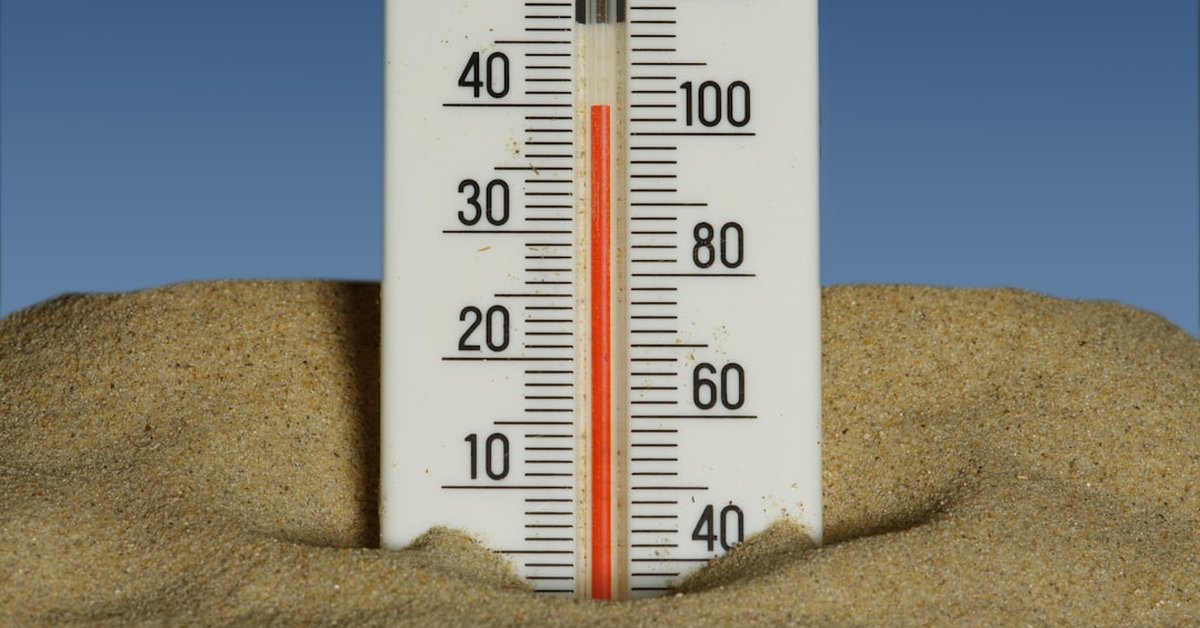
But here’s the rub: native plants don’t always act like they’ve read the script. I planted 30 plugs of butterfly milkweed in full sun, as instructed. The first week, they looked perky. Then a sudden heat wave hit—the kind that record-breaking heat domes are making more common. The milkweed fried. Turns out, even native plants raised in nurseries have been watered twice a day; they haven’t learned to withstand weeks of 100-degree days without supplemental irrigation.
“We’re asking gardeners to create ecosystems that no longer exist naturally,” says Dr. Chen. “The baseline climate has shifted. So a ‘native’ plant from 50 years ago may no longer be adapted to your yard.”
That’s the uncomfortable truth the native plant movement doesn’t always advertise: climate change is scrambling the rules. A plant considered native to Pennsylvania might now struggle in the hotter, drier conditions that super El Niño events are exacerbating. The movement’s moral clarity—plant native, save the planet—hits a wall when the planet itself is a moving target.
The Reality Check: Weeds, Water, and Willpower
My first attempt at a “no-till” native meadow was overrun by crabgrass within a month. I had read that native plants, once established, outcompete weeds. I did not read the fine print: “once established” can take three years. In the meantime, you’re either on your knees pulling invasive annuals or watching your investment get choked out.
And the water? During year one, my native garden actually needed more water than my old lawn. The lawn had deep roots from years of care; the tiny plugs had root balls the size of a thimble. On the advice of a local native plant nursery owner, I installed a drip irrigation system—hardly the carefree, low-input scenario I’d imagined.
I’m not alone. A 2020 survey by the National Gardening Association found that 35% of new native gardeners abandoned their efforts within two years, citing weed pressure and difficulty establishing plants as primary reasons. The native plant movement, for all its virtues, sometimes skips over these gory details.
Look, I don’t want to discourage anyone from planting native. But pretending it’s easy sets people up for failure—and then they revert to turfgrass and boxwoods. So what’s the alternative? I’ve learned to think of it as a process rather than a one-time project.
Beyond the Garden Bed: What It Means for the Big Picture
My garden failures taught me a broader lesson: individual action, while meaningful, has limits. Even if every suburbanite in North America converted their yard to native plants, we’d still be losing biodiversity to sprawl, pesticides, and climate change. A 2022 study in Nature Sustainability calculated that home gardens occupy just 2% of land in the United States. Their collective impact on carbon sequestration is negligible. Their value as habitat is real but highly fragmented—unless gardens are connected in corridors.
“A garden is not a nature preserve,” says Dr. Michael O’Brien, a restoration ecologist at the University of Texas. “But it can be a stepping stone. It can be a cultural change agent. When your neighbor sees a monarch caterpillar on your milkweed, they start asking questions.”
That’s the real power. My garden has become a conversation starter. The guy across the street, who previously oversprayed Roundup twice a month, now asks about my butterfly count. The HOA complained about my “messy” meadow in June; by August, when the goldenrod was glowing and full of bees, two other homeowners started ripping out their lawns. That’s slow, incremental, maddeningly inefficient—but it’s not nothing.
Lessons From the Trenches: What I’d Do Differently
If you’re considering an eco-garden, here’s what I wish someone had told me:
- Start smaller than you think. A 10×10 foot bed can hold dozens of species. A meadow is a multi-year commitment.
- Expect to water for at least the first two summers. Even drought-tolerant natives need babying.
- Plant diversity, not just nativity. A mix of life cycles (annuals, biennials, perennials) and forms (ground covers, shrubs, trees) creates resilience.
- Accept that some plants will die. That’s not failure—it’s information. The survivors will be your most adapted stock.
- Join a local native plant society. Their advice is more reliable than any general book or blog.
I won’t pretend my garden is now some pristine ecosystem. The rabbit population treats it as a salad bar. The Japanese beetles still show up in July. But last week, I watched a female rubythroated hummingbird—a species whose numbers have dropped 60% since 1970—hover at my coral honeysuckle. For a moment, the effort felt worth it.
Then a squirrel dug up my new ironweed. Sigh.
The native plant movement isn’t wrong. It’s just selling a dream without the fine print. A truly ecologically responsible garden is possible—but it’s not a shortcut. It’s a long, messy, beautiful negotiation with a world that doesn’t care about our good intentions. And that’s exactly why it matters.
Frequently Asked Questions
Do I have to plant only native species for an eco-friendly garden?
Not necessarily. While native plants provide the most benefit to local wildlife, many non-native ornamentals also support pollinators. The key is to avoid invasive species (e.g., English ivy, Japanese barberry) and choose plants that don’t require heavy chemicals or irrigation. A mix of 70% native and 30% non-invasive, non-native can be a practical compromise.
How long does it take for a native garden to become self-sustaining?
Typically 2–3 years for perennials to establish strong root systems. During that period, you’ll need regular watering and weeding. After establishment, ongoing maintenance like dividing plants, removing aggressive species, and occasional watering during severe drought is still necessary—but significantly less than a conventional lawn.
Does a native garden really help combat climate change?
Individual gardens have minimal direct impact on carbon sequestration compared to forest or prairie restoration. However, they create vital habitat connectivity, reduce water and chemical use, and support populations of pollinators and birds that are under stress from climate change. The cumulative effect of millions of such gardens can be significant, especially when coordinated at the neighborhood scale.