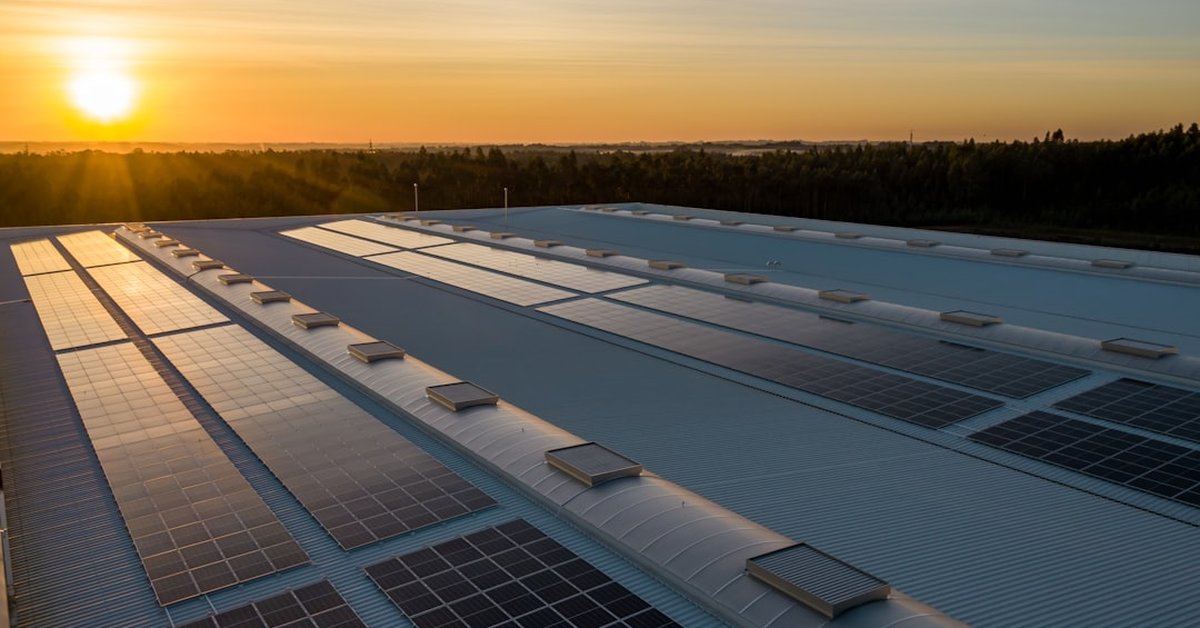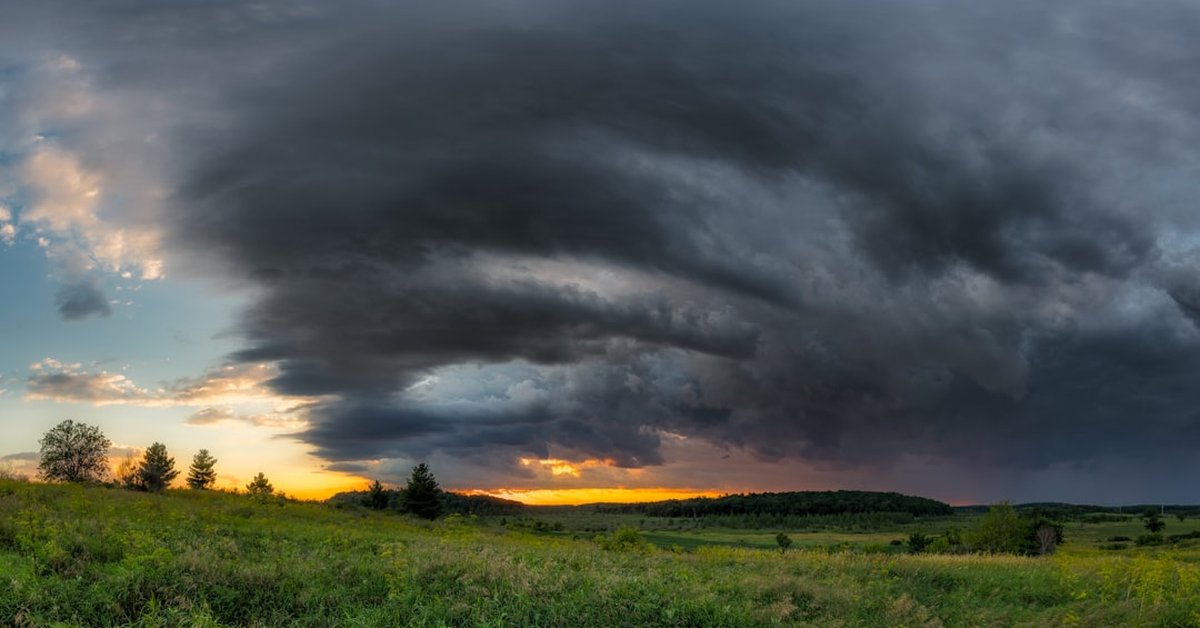








You’d think Microsoft’s sprawling data centers — those concrete fortresses humming with servers — are immune to the whims of weather. They’re built to last, backed by redundant power and cooling systems. But here’s the uncomfortable truth: extreme weather is now the single biggest physical threat to the company’s cloud empire. And it’s getting worse.
In July 2023, a severe thunderstorm knocked out power to Microsoft’s data center in Quincy, Washington, disrupting Azure services for hours. That same month, record heat in Europe forced the company to throttle cooling systems. These aren’t isolated incidents — they’re signals of a systemic risk that Microsoft, and the entire tech industry, can no longer ignore.
Data Centers in the Crosshairs
Microsoft operates more than 200 data centers across 60 regions. Many sit in areas increasingly prone to hurricanes, floods, wildfires, and heatwaves. Consider the company’s massive facility in Boydton, Virginia — part of the state’s “Data Center Alley” — which lies in a floodplain. Or its Singapore campus, where rising sea levels and extreme rainfall are a growing concern.
The financial stakes are enormous. A single hour of downtime can cost a company like Microsoft millions in lost revenue and compensation. But the bigger picture is even scarier: as more critical infrastructure — hospitals, banks, emergency services — migrates to the cloud, a weather-induced outage could ripple across society.
“We’re seeing a perfect storm,” says Dr. Elena Vasquez, a climate risk analyst at the University of Texas. “Data centers were designed for the climate of the past. They’re not ready for the climate of the future.” Her research shows that by 2030, over 40% of global data centers will face high risk from at least one type of extreme weather event.
Microsoft knows this. In its 2023 Environmental Sustainability Report, the company acknowledged that “climate change poses physical risks to our operations, including data centers.” But acknowledging isn’t the same as solving. And the solutions — building in safer locations, investing in microgrids, designing for higher temperatures — are expensive and slow.
For a deeper look at how coastal storms threaten critical infrastructure, read our analysis: The Storm is Brewing: A Crisis is Imminent Along US Coasts.
Microsoft’s Weather AI: The Other Side of the Coin
But here’s where the story twists. Microsoft isn’t just a victim of extreme weather — it’s also becoming a key player in predicting it. The company’s AI for Good initiative has poured millions into high-resolution weather models that can forecast storms days in advance with astonishing accuracy.
In 2024, Microsoft partnered with the European Centre for Medium-Range Weather Forecasts to train machine learning models on decades of climate data. The result? A system that can predict hurricane intensity 12 hours faster than traditional models. That’s not just a technical achievement; it’s a life-saving tool.
“What Microsoft is doing with AI weather prediction is genuinely game-changing,” says Dr. Mark Chen, a meteorologist at the UK Met Office who has tested the system. “It’s not replacing human forecasters, but it’s giving them superpowers.”
But there’s a tension here. The same AI that helps predict hurricanes runs on energy-hungry servers that contribute to the problem. Microsoft has pledged to be carbon-negative by 2030, but its emissions have actually risen 30% since 2020, largely due to data center expansion. Critics call it greenwashing; the company calls it a necessary transition.
Meanwhile, other weather extremes — like hail — are often overlooked. As we reported in Inside the United States’ Billion-Dollar Blind Spot: Hail, a single hailstorm can cause a billion dollars in damage, and insurers are starting to warn tech companies about coverage gaps.
The Cost of Inaction
Microsoft isn’t standing still. In 2022, it announced a $1 billion climate innovation fund, and its data centers in Sweden and Finland are powered entirely by renewable energy. But these are incremental steps. The scale of the challenge is far larger.
Consider this: a Category 3 hurricane hitting the coast of Virginia could flood dozens of data centers simultaneously. A heatwave in the Pacific Northwest could force Microsoft to shut down servers in Oregon and Washington. A wildfire in California could take out the cloud infrastructure that runs half of Silicon Valley.
“We’re not talking about if this happens,” says Vasquez. “We’re talking about when. And the industry is not ready.”
Microsoft’s own risk assessments, leaked to the press in 2023, showed that 17 of its most critical data centers face “high or extreme” weather risk by 2030. The company has since accelerated its “climate-resilient design” program, but the details remain vague.
And it’s not just Microsoft. Amazon Web Services and Google Cloud face similar vulnerabilities. But Microsoft’s aggressive expansion into AI — which demands even more computing power — makes it especially exposed.
What This Means for the Rest of Us
So why should you care? Because if Microsoft’s cloud goes down, so does your email, your Office documents, your Teams meetings, and perhaps your bank’s transaction system. The cloud is not a fluffy abstraction; it’s a network of physical buildings full of fragile electronics, sitting in the path of storms.
The implications extend beyond convenience. Emergency services increasingly rely on cloud-based dispatch systems. Hospitals store patient records on Azure. Even the National Weather Service uses Microsoft’s cloud for some data processing. A major outage during a disaster wouldn’t just be an inconvenience — it could compound the crisis.
Look, no one expects Microsoft to solve climate change. But as one of the world’s most valuable companies, it has both the resources and the responsibility to build for the world that’s coming, not the one that’s already gone.
The company’s next move will be telling. If it doubles down on resilience — building floating data centers, hardening existing sites, investing in distributed computing — it could set a standard for the industry. If it doesn’t, well, we’ll all feel the heat.
And as Reuters reported, Microsoft’s own climate goals are slipping. The path forward is unclear. But one thing is certain: the storm is coming, and no amount of cloud computing can stop it.
Frequently Asked Questions
How does extreme weather threaten Microsoft’s data centers?
Extreme weather events like hurricanes, floods, heatwaves, and wildfires can damage physical infrastructure, disrupt power and cooling systems, and cause service outages. Microsoft’s data centers in coastal and inland areas are increasingly at risk as climate change intensifies these events.
Is Microsoft using AI to improve weather forecasting?
Yes. Microsoft’s AI for Good initiative develops machine learning models that can predict extreme weather more accurately and faster than traditional methods. These models help meteorologists issue earlier warnings, potentially saving lives.
What is Microsoft doing to reduce its own climate impact?
Microsoft has pledged to be carbon-negative by 2030, investing in renewable energy, carbon removal, and energy-efficient data center designs. However, its emissions have risen in recent years due to data center expansion for AI and cloud services, sparking debate over the feasibility of its goals.