







Last summer, London hit 40.3°C. That’s not just uncomfortable—it’s dangerous. For the roughly 95% of UK homes that still lack air conditioning, those temperatures turn bedrooms into saunas and send vulnerable people to hospitals. The question isn’t whether you should get AC anymore. It’s how and how much.
Let’s cut through the noise. This article gives you the hard numbers on installation costs, running expenses, and the best systems for UK homes—plus why this isn’t just a comfort upgrade, but a health necessity. Because as global temperatures climb, the UK’s famously mild summers are becoming a thing of the past. And waiting until next heatwave? That’s a gamble you don’t want to take.
The Cost Breakdown: What You’ll Actually Pay
First, the sticker shock. A whole-home central AC system in a typical three-bedroom UK house runs between £4,500 and £8,500 installed (including VAT and labor). That’s for a multi-split system with 3–4 indoor units connected to one outdoor condenser. For a single-room portable unit? £300 to £800 upfront, but they’re inefficient and loud—expect to replace them every few years.
Split-system installations (the most common choice) cost £1,200 to £2,500 per room. So a two-bedroom flat averages £3,000 to £5,000. Prices vary wildly by region—London contractors charge 15–20% more than those in Manchester or Glasgow. And if your building is listed or in a conservation area? Add £500–£1,000 for planning permission and specialist installers.
“We’re seeing a 40% year-on-year increase in domestic AC installations across England,” says Mark Reeves, Heating and Cooling Specialist at EnergySparks UK. “The bottleneck isn’t demand—it’s qualified installers. Book early, because summer waiting lists stretch eight to twelve weeks.”
Operating costs? A split-system unit running 8 hours daily during a heatwave adds about £1.20 to £2.00 per day to your electricity bill—roughly £35–£60 for a 30-day heat spell. Portable units cost double that per hour because they’re less efficient. Compare that to fans (pennies per day), but also compare results: a fan moves air; AC reduces indoor temperatures by 10–15°C.
Portable vs. Split vs. Window Units: What Works for UK Homes
Here’s the hard truth: portable AC units are a stopgap. They work—sort of. A 12,000 BTU portable unit cools about 400 square feet, but they must vent hot air outside through a window kit, which lets warm air back in. They’re also noisy: 55–65 decibels, or about as loud as a vacuum cleaner from three meters away. Good for a rented flat where you can’t drill holes. Bad for anything else.
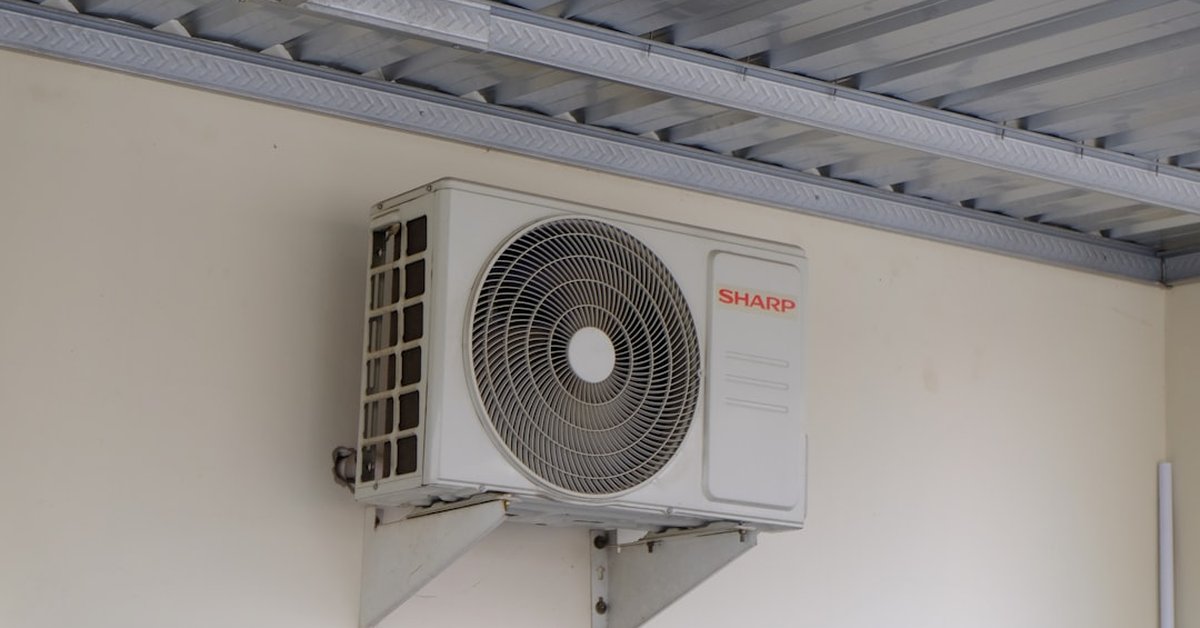
Split systems dominate the UK market because they’re permanent and efficient. The outdoor compressor sits on a bracket (needs landlord approval if renting), and indoor units mount high on walls. They run at 19–25 decibels—whisper-quiet. Units from Mitsubishi Electric or Daikin cost more upfront but last 15–20 years with maintenance. Cheaper brands like Toshiba or Fujitsu undercut by 20–30% but have shorter warranties.
Window units—common in the US—are rare in UK homes because most windows open outward or horizontally. You’d need a custom bracket and risk violating building regulations. Skip them unless you’re in a bespoke situation.
What about heat pumps? Air-source heat pumps (ASHPs) can both heat and cool your home. They cost £8,000–£14,000 installed, but the government’s Boiler Upgrade Scheme offers £7,500 toward the cost. Problem is, most UK heat pump systems aren’t optimized for cooling—they require buffer tanks and additional ductwork. Still, if you’re replacing a boiler anyway, it’s worth exploring. Just check your home’s insulation first; poor insulation turns AC into a money pit.
Why the UK Needs Air Conditioning Now—Not Later
Let’s be blunt. The UK is not prepared for the heatwaves that climate models predict by 2040. The Met Office’s latest projections show UK summers exceeding 40°C every 3–4 years by mid-century. And last year? 4,500 excess deaths were attributed to heat in England alone. Hospitals saw a 30% spike in heat-related admissions. This isn’t a niche issue.
The problem is structural. UK homes are built to trap heat—thick brick walls, heavy insulation, and windows designed for cold winters. In a heatwave, they become ovens. Indoor temperatures in many London flats exceeded 35°C during July 2022. Sleep deprivation compounds the health effects: impaired cognition, cardiovascular strain, and mental health deterioration.
And this connects to global trends. As Vienna and Bratislava approach subtropical classifications at 48°N, it’s clear that the European climate zone is shifting northward. The UK isn’t immune. If cities like Vienna now experience 30+ days above 30°C annually, what does that mean for London at 51°N? The answer: the same.
Also consider the compounding threat from extreme weather infrastructure failures. When Microsoft’s cloud servers went down during a heatwave last summer, UK businesses lost millions. Your home’s cooling system? It’s only as reliable as the grid. But that’s a different article.
“The idea that air conditioning is an American luxury is outdated and dangerous,” says Dr. Helen Carter, Professor of Building Physics at the University of Southampton. “We’re talking about protecting vulnerable populations—the elderly, the chronically ill, infants. For them, 28°C indoors is a health crisis.”
So what can you do now? Start with a home energy audit. Many local councils offer free assessments. Check your loft insulation, seal drafty windows, and consider external blinds (they cut indoor temperatures by 5–7°C passively). Then get quotes from at least three registered F-Gas certified installers (required by UK law for handling refrigerants).
Financing and Incentives: Making It Affordable
Here’s the good news: VAT on heat pump installations drops to zero in 2024 as part of the £7,500 Boiler Upgrade Scheme. That’s for heat pumps with cooling capability—essentially reversible systems. But for dedicated air conditioning? No current government grant exists. However, some energy companies offer 0% financing on efficient units through green loans. Check with your supplier.
Renters have options too. You can request permission for a portable unit’s window vent kit—most landlords can’t unreasonably refuse if you agree to professional removal. Or install a split system with landlord approval (offer to leave it when you move out). Some letting agents now advertise flats with AC as a premium feature, adding £100–£200 to monthly rent.
Long-term, the UK’s Building Regulations Part L (conservation of fuel and power) is being revised to include cooling efficiency standards for new homes. By 2025, all new builds may require passive cooling measures (shading, ventilation) and an active cooling option. The infrastructure is coming. But for existing homes—that’s where you act.
And while you’re planning, remember that global warming doesn’t stop at your doorstep. The Amazon’s medicinal plants are threatened by rising temperatures, a stark reminder that heatwaves everywhere have cascading effects—on ecosystems, on health, on the economy. Your AC cools your home, but it also adds to energy demand. So choose an inverter-driven unit with a high SEER rating (Seasonal Energy Efficiency Ratio) above 6.5. It’ll use 30–40% less electricity than a standard unit.
The bottom line: expect to spend £3,000–£8,000 for a quality split system that covers your main living spaces. Running costs during a month-long heatwave: £50–£80. Payback? Unquantifiable when it prevents a heatstroke or a sleepless week. The UK is getting hotter. The question is—will your home keep up?
Frequently Asked Questions
Can I install air conditioning myself to save money?
Not legally for split systems. UK law requires F-Gas certification to handle refrigerants. DIY installation risks leaks, voided warranties, and potential fines. Portable units? Yes—they’re plug-and-play. But expect lower efficiency and higher running costs.
How much does it cost to run a portable AC per month?
About £60–£120 for a 12,000 BTU unit running 8 hours daily at UK electricity rates (28p/kWh). That’s double the cost of a split system per hour. Portable units also cool less effectively—figure 2–3°C drop versus 10–15°C for a properly sized split system.
Will air conditioning increase my home’s value?
Increasingly, yes. A 2023 Rightmove survey found 35% of buyers now consider AC a desirable feature in urban areas. In London flats, AC can add £5,000–£10,000 to resale value. But only if professionally installed with visible condenser units that don’t detract from curb appeal.