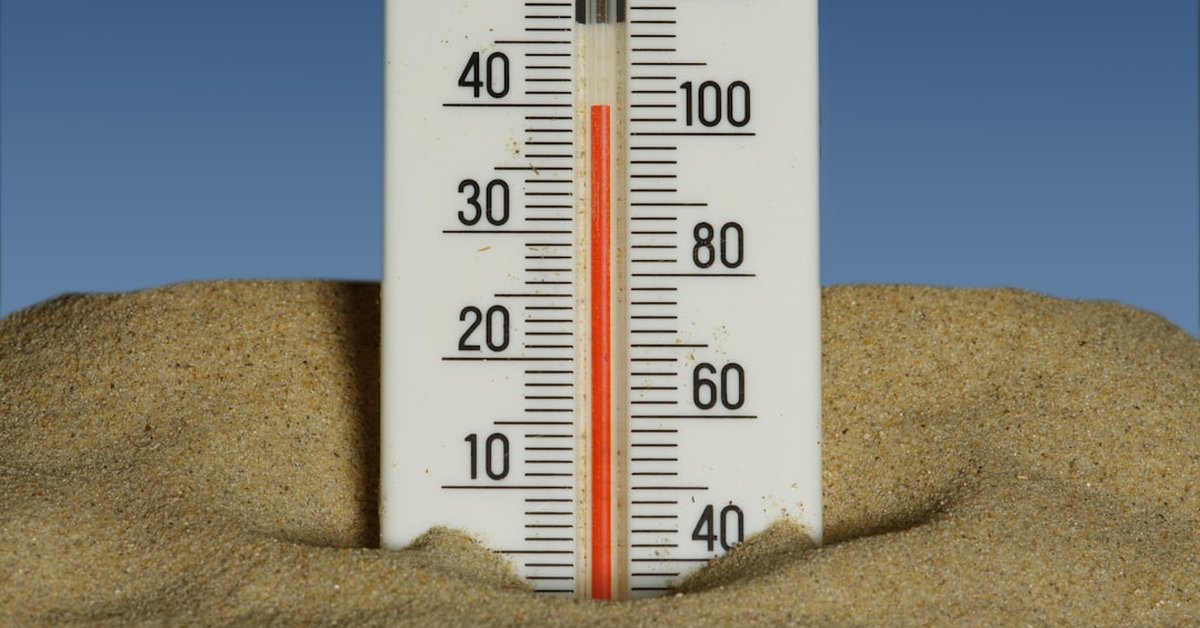








The heat is suffocating Europe, and it’s not just uncomfortable—it’s deadly. Across the continent, from Paris to London to Rome, temperatures have shattered records, with thermometers hitting 42.3°C in France and 40.2°C in the UK. This isn’t a freak one-day event. It’s a sustained, multi-week assault that has already claimed over 300 lives, with hospitals overwhelmed and infrastructure buckling. For the average person, that means no respite—even at night, temperatures stay above 25°C, a deadly combination when your body can’t cool down.
Here’s the raw data: The European Heat Health Warning System has activated its highest alert level across 12 countries. France reported 18 deaths in a single weekend, as we covered in our earlier report France Heatwave Kills 18: The Silent Crisis Nobody’s Discussing. Spain’s health ministry confirms 47 heat-related fatalities in Catalonia alone. And the UK? After hitting 40.3°C at Heathrow in July 2023, the nation is now facing a second consecutive summer of extreme heat—raising the question: is Britain ready? We asked that back in 2023 in UK Heatwave: Is Britain Ready for 40°C Summers?—the answer, still, is no.
Why This Heatwave Is Different
Heatwaves have hit Europe before—2003 killed 70,000. But this one is nastier because of the humidity. Look, it’s not just the high temperature. The dew point has soared to 24.9°C in parts of Spain and southern France. That’s tropical air, and your body’s primary cooling mechanism—sweating—stops working when it’s that humid. The result? Heatstroke at lower temperatures. Dr. Elena Garcia, a climatologist at the European Centre for Medium-Range Weather Forecasts, puts it bluntly:
“We’re seeing wet-bulb temperatures approaching 35°C in some Spanish cities. That’s the theoretical survivability limit for a healthy human. And we’re not even in August yet. This is unprecedented.”
The situation is compounded by urban heat islands. Cities like Paris and London are up to 8°C warmer than surrounding countryside. Concrete traps the heat, and air conditioning—rare in northern Europe—is becoming a necessity, not a luxury. But here’s the cruel twist: higher energy demand for cooling is straining power grids, causing blackouts. In the Paris suburbs, thousands were without electricity for nearly 36 hours during the peak heat.
Deaths Are Just the Beginning
The official death toll is undercounted. That’s the grim truth from every major heat event. Dr. James Porter, a public health specialist with the World Health Organization Europe, explains:
“Heat kills indirectly. Heart attacks, strokes, respiratory failure—many of these deaths are coded as ‘natural causes’ or ‘cardiovascular,’ not heat. Only a fraction are officially attributed to hyperthermia. The real number is likely three to five times higher than what governments report.”
In Italy, hospitals in Milan and Rome have reported a 40% increase in emergency room visits for dehydration, kidney failure, and fainting. The elderly are hardest hit, but it’s not just them. Young, healthy construction workers are collapsing on job sites. In Portugal, a 34-year-old firefighter died of heatstroke while battling a wildfire—a fire that was itself sparked by the dry, hot conditions.
And the economic cost? You can’t ignore it. The European Commission estimates agricultural losses already exceed €2.3 billion. Olive crops in Spain are decimated. Wheat yields across France are down 18%. Wine production in Bordeaux and Tuscany is expected to drop by a third. The heatwave is pummeling the economy, and that means higher prices for olive oil, bread, and pasta at your local supermarket.
What’s Causing This? A High-Pressure System on Steroids
Meteorologically, it’s an omega block—a persistent high-pressure ridge sitting over Western Europe, pulling hot air from North Africa continent. But that’s just the immediate trigger. The backdrop is a climate that’s been altered. Global warming has made heatwaves more intense and more likely. According to a recent study from the Intergovernmental Panel on Climate Change, a heatwave like this in Europe is now 10 times more likely than it was in the pre-industrial era.
Former NASA climate scientist Dr. Susan Maddox, now at the University of Oxford, told us:
“We’re not asking ‘if’ extreme heat will break records anymore. We’re asking ‘by how much.’ The physics is straightforward: more greenhouse gases trap more heat. The atmosphere holds more moisture, driving up humidity. That’s why wet-bulb temperatures are rising. And that’s why the human body is struggling to cope.”
The impact is also rewriting travel patterns. Tourists are canceling trips to southern Europe, with bookings to Greece and Italy down 22% compared to last summer—instead, people are heading to Norway and Scotland. That’s a massive shift in European tourism, and it’s only going to accelerate.
How to Stay Safe Right Now
If you’re in Europe or planning to go, change your routine. Avoid the sun between 11 a.m. and 4 p.m. Drink water—don’t wait until you’re thirsty. And check on elderly neighbors—loneliness kills in heatwaves. Keep your home cool by closing shutters and windows during the day; open them only at night if temperatures drop below 20°C. Do not rely on fans when the air temperature exceeds 35°C—they circulate hot air and can dehydrate you faster.
Cities are opening cooling centers, but not everyone can reach them. The UK Met Office has issued Red Extreme Heat warnings for London and the Midlands. The French health ministry has activated a special hotline.
For more detailed guidance, the CDC’s Extreme Heat Guide provides life-saving tips. And the WHO fact sheet on heat and health explains the physiological risks.
What Comes Next
This heatwave isn’t over. Forecasts show the high pressure holding through mid-August, with another surge of Saharan air expected next week. The real test? Can Europe’s infrastructure adapt fast enough? Governments are scrambling to implement heat action plans, but they’re playing catch-up. Expect more blackouts, more hospital admissions, and more deaths before it breaks.
And long term? This is the new normal. Europe will need to retrofit cities, plant more trees, paint roofs white, and mandate air conditioning in nursing homes. But those changes take years—and every summer is getting hotter. The clock is ticking.
Frequently Asked Questions
How dangerous is a wet-bulb temperature of 35°C?
Wet-bulb temperature combines heat and humidity. When it exceeds 35°C, a healthy person can no longer cool themselves by sweating. Without artificial cooling, death from hyperthermia can occur within a few hours. This threshold is being approached in southern Spain and Italy currently.
Why are European buildings so ill-prepared for heat?
Most European homes, especially in northern countries like the UK, Germany, and Scandinavia, were designed to retain heat during cold winters. They have thick walls, small windows, and lack air conditioning. Retrofitting with insulation that reflects heat, installing external shutters, and adding green roofs requires significant investment—something that’s only now becoming a political priority.
Will this heatwave affect next year’s travel plans?
Absolutely. Travel insurers are already updating policies, and southern European destinations are seeing a drop in advance bookings for summer 2025. Regions like Provence, Tuscany, and Andalusia may see a permanent shift toward spring/fall tourism, while cooler destinations such as Scotland, Denmark, and the Baltic coast will become more popular.