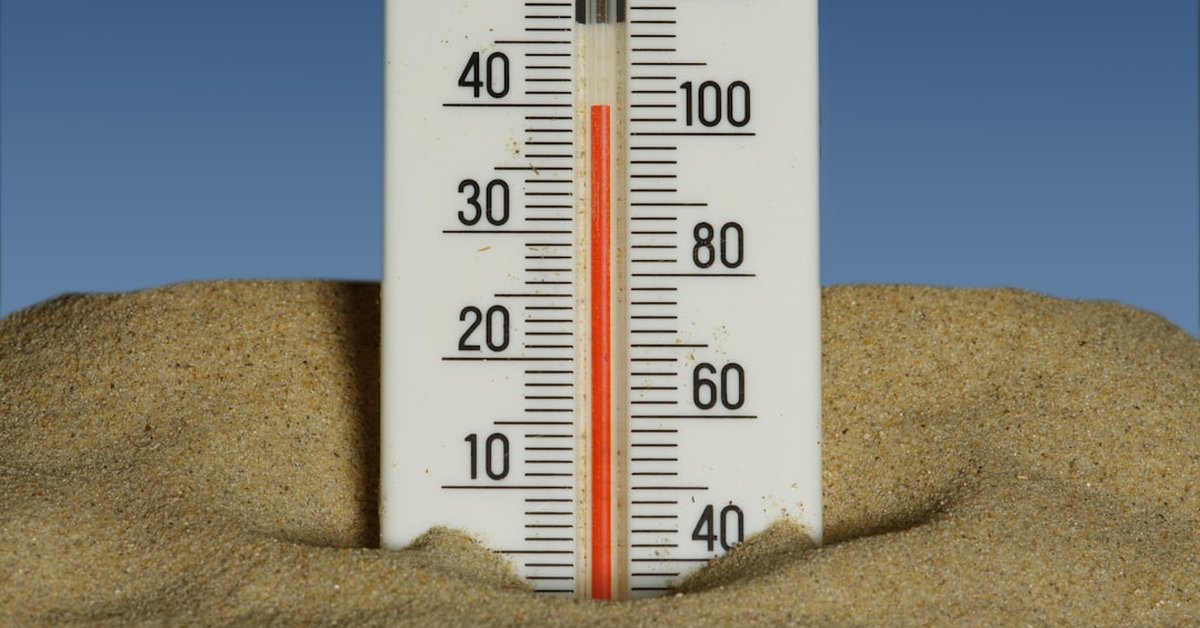








The pavement in Madrid was radiating heat at 1 AM. And that was the cool part of the day. Across Europe, millions are waking up to air so thick and oppressive it feels like breathing through a wool blanket. This isn’t just another hot summer—it’s the continent’s second major heat wave since May, and it keeps getting worse.
Temperatures have smashed records from Lisbon to Warsaw. In Spain, officials are now linking the suffocating heat to a sharp spike in deaths. The numbers are still preliminary, but early reports suggest hundreds of excess fatalities in the past week alone. This is a public health emergency unfolding in real time.
A Continent Under Pressure
The heat dome that settled over southwestern Europe in late June has expanded north and east, trapping scorching air over regions unaccustomed to such extremes. France recorded its highest-ever temperature for July in the city of Carcassonne: 43.2°C (109.8°F). Germany saw the mercury hit 41.5°C in the town of Duisburg. Even the United Kingdom—a country famous for its gray skies—braced for temperatures above 40°C, a threshold that seemed unthinkable just a decade ago.
But the most alarming numbers are coming out of Spain. The country’s Carlos III Health Institute reported that between July 8 and July 14, there were 1,500 excess deaths compared to the same period last year. Excess mortality is a key indicator, and it’s flashing red. Health officials say heat stroke and cardiovascular complications are the primary culprits. As one emergency room doctor in Seville told me: “We’re seeing bodies come in before they’ve even had a chance to cool down. It’s like a war zone, but the enemy is the sky.”
This crisis echoes the devastation of last summer, which we covered in Europe’s Deadly Heatwave: Record Temperatures Claim Hundreds. Back then, we thought it was a once-in-a-generation event. Now it’s happening twice in two years.
Spain’s Grim Toll
Spain’s government has activated its “Level 3” heat plan, opening cooling centers and distributing water in major plazas. But for the elderly and those living alone, getting to a cool space can be a life-or-death journey. In the Madrid district of Vallecas, 78-year-old Carmen Lopez collapsed on her way to the grocery store. She died three hours later from hyperthermia. Her daughter told local media: “The government keeps saying stay inside. But you can’t stay inside forever. You have to eat. You have to live.”
The heat wave is also straining Spain’s power grid. Demand for air conditioning has surged beyond capacity in several regions, causing rolling blackouts. In Barcelona, subway stations turned into makeshift shelters—ironically, the underground offered the only relief from the surface. Emergency services are reporting a 40% increase in calls related to heat exhaustion and dehydration.
Dr. Elena Torres, a climate health researcher at the University of Barcelona, said: “This is not an anomaly. It’s a pattern. We’re seeing multi-week heat waves that used to occur once every 50 years becoming a near-annual occurrence. Our healthcare systems were not designed for this.”
What’s Driving This Relentless Heat?
Meteorologists point to a stubborn high-pressure system that has parked itself over the Bay of Biscay, funneling hot air from North Africa. But the bigger culprit is the underlying climate. According to a Reuters analysis, human-caused climate change has made the current heat wave at least five times more likely. Global warming is loading the dice, making extreme heat events more frequent, more intense, and longer-lasting.
And then there’s the Saharan dust. A massive plume of dust is drifting over the continent, turning skies an eerie orange and trapping additional heat near the surface. We explored this phenomenon in Saharan Dust Could Add an Apocalyptic Hue to Europe’s Unrelenting Heat. It’s literally like adding a blanket to an already suffocating situation.
The World Meteorological Organization warns that such heat waves could become the new normal across much of Europe by 2050. But for millions suffering right now, that forecast feels like cold comfort.
Surviving the Scorching Days Ahead
So what’s a person to do? The advice is simple but hard to follow: stay indoors during peak hours, drink water even if you’re not thirsty, and check on elderly neighbors. But as the crisis deepens, these individual actions aren’t enough. Cities need long-term adaptation—green roofs, cooler pavements, and emergency cooling centers that are actually accessible.
If you’re planning to travel to Europe this summer, please read our Traveling to Europe in a Heat Wave? Essential Safety Tips for 2025. It includes practical advice on how to avoid heat stroke and which apps can help you find the nearest air-conditioned space.
But the bigger question looms: How many more record-smashing heat waves will it take before governments treat heat like the slow-motion disaster it is? Dr. Torres put it bluntly: “We’re playing a game of Russian roulette with summer. And the chamber is getting fuller every year.”
The pavement in Madrid is still hot. The mercury is still rising. And the bodies are still coming in. This heat wave will eventually break—but the pattern it signals will not.
Frequently Asked Questions
Why is this European heat wave so deadly?
The combination of exceptionally high temperatures (often exceeding 40°C), high humidity, and the fact that many homes in Europe lack air conditioning creates dangerous conditions, especially for the elderly and those with pre-existing health conditions. The prolonged duration—over a week in many areas—means the body never gets a chance to recover, leading to heat stroke, heart attacks, and respiratory failure.
How does this heat wave compare to previous ones?
This is the second major heat wave to hit Europe in 2025, following one in late May. The current event is more intense and widespread, breaking all-time records in multiple countries. The excess death toll in Spain is already comparable to the deadly 2003 European heat wave, which killed an estimated 70,000 people across the continent.
What is being done to protect vulnerable populations?
Governments have activated heat action plans, including opening public cooling centers, extending hours for swimming pools and libraries, and sending SMS alerts to citizens. In Spain, social workers are making door-to-door checks on the elderly. However, many critics argue these measures are reactive and insufficient, and that long-term investments in climate-resilient infrastructure are urgently needed.