





Aaron Szabo, the Environmental Protection Agency’s top air pollution regulator, is calling it quits this month—and his departure marks the end of a tenure defined by aggressive rollbacks on everything from mercury emissions to soot standards. In an internal email obtained by CyclonePost, Szabo told colleagues he was stepping down as head of the EPA’s Office of Air and Radiation, effective end of April, without offering a clear reason. But the timing speaks volumes.
Szabo’s exit comes as the Trump administration prepares for what could be a legal showdown over dozens of weakened pollution rules. Under his watch, the EPA slashed limits on toxic air pollutants from power plants, weakened fuel-efficiency targets for cars, and delayed tighter ozone standards. The moves weren’t just controversial—they’ve been unprecedented in scale since the Clean Air Act’s 1990 overhaul.
“This isn’t a quiet retirement,” said Dr. Elena Marchetti, a former EPA air quality analyst now at Stanford University. “Szabo was the architect of the most sweeping deregulatory agenda we’ve seen in a generation. His departure leaves a vacuum, but the policies he pushed will linger—and so will the legal battles.”
And those battles are already heating up. Environmental groups and a coalition of state attorneys general have filed at least 14 lawsuits challenging specific rollbacks. One case, New York v. EPA, targets the agency’s decision to weaken the Mercury and Air Toxics Standards, which had slashed mercury emissions by 80% since 2012. The stakes are high: mercury pollution from coal plants can cause neurological damage in children and contaminate fish stocks across the Great Lakes.
But Szabo’s legacy isn’t just about numbers on a spreadsheet. It’s about the real-world impact on communities already choking from wildfires, heat waves, and industrial pollution. In cities like Pittsburgh and Detroit, where air quality violations are chronic, the rollbacks have meant dirtier air for millions.
The Man Behind the Rollbacks
Szabo, a career civil servant before Trump tapped him in 2017, wasn’t your typical political appointee. He’d spent years at the EPA under both George W. Bush and Barack Obama, quietly working on technical standards. But once in charge, he became a weapon for the White House’s deregulation push—championing what he called “common-sense reforms” that critics say gutted protections.
“He knew the system inside out,” said Mark R. Johnson, a former EPA enforcement lawyer who now works for an environmental nonprofit. “That’s why he was so effective at dismantling it. He understood exactly where the levers were—and he pulled them.”
Under Szabo, the EPA finalized a rule that allowed power plants to emit more mercury and other toxic metals, citing lower compliance costs for industry. The agency also rewrote the Cross-State Air Pollution Rule, letting upwind states send more smog-forming pollution downwind. And in 2020, it froze fuel-efficiency standards for cars and light trucks at 2021 levels—a move that the National Highway Traffic Safety Administration later estimated would increase carbon emissions by 867 million metric tons over the vehicles’ lifetimes.
But it’s the particulate matter rollback that has public health experts most worried. Fine particles—from power plants, diesel trucks, and even wildfires—can lodge deep in the lungs, triggering asthma attacks, heart attacks, and premature death. In 2020, the EPA weakened the National Ambient Air Quality Standards for particulate matter, despite its own scientific advisory panel warning the move would lead to thousands of additional deaths annually.
“That decision was a gut punch,” said Dr. Linda Chen, a pulmonologist at the University of Chicago Medical Center. “We see patients every day whose symptoms are made worse by poor air quality. Weakening those standards is like telling them they don’t matter.”
A Broader Pattern of Deregulation
Szabo’s resignation doesn’t happen in a vacuum—it’s part of a broader pattern across the federal government. The Trump administration has rolled back more than 100 environmental rules since 2017, from the Clean Power Plan to methane limits for oil and gas wells. But the air office rollbacks are among the most consequential because they affect so many Americans—nearly 140 million people live in counties where ozone or particulate matter levels exceed the current standards, according to the American Lung Association.
And the timing couldn’t be worse. As record-breaking heat domes become more frequent and wildfires send plumes of smoke across the continent, air quality is deteriorating in ways that even the EPA’s own models didn’t predict. The agency’s own data shows that fine particle pollution rose by 5% in 2023, the first increase in a decade—driven by both wildfires and a rebound in economic activity.
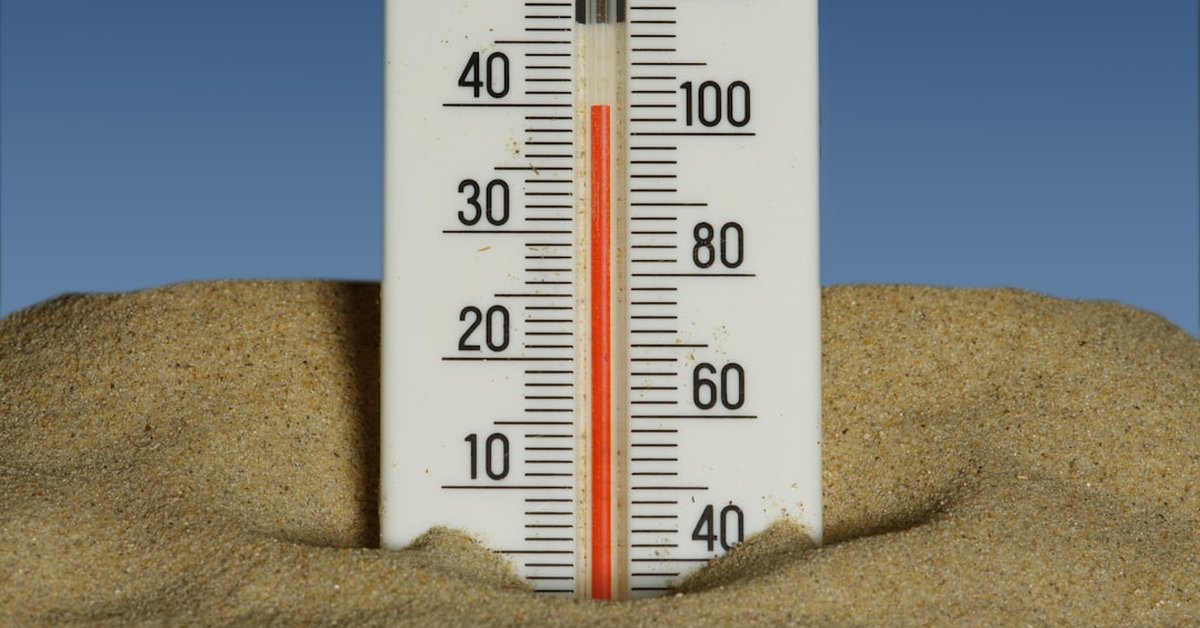
“We’re seeing a convergence of climate-driven disasters and regulatory retreat,” said Dr. Marchetti. “It’s a one-two punch that communities aren’t prepared for. The EPA should be strengthening standards, not weakening them—especially when extreme heat is already killing hundreds of people silently.”
What Comes Next—and Who Pays the Price
Szabo’s departure leaves a hole in the EPA’s leadership. His deputy, who has not been named as a successor, is expected to serve as acting head until the end of the administration. But with elections looming in November, the future of the air office is uncertain.
If Trump wins a second term, the deregulatory push could accelerate—or stall, depending on who replaces Szabo. If Biden wins, the next EPA administrator will face the daunting task of rebuilding standards that took decades to put in place. “You can’t just flip a switch and restore the rules,” said Johnson. “Each rollback has a paper trail, and reversing them requires starting the entire rulemaking process over again. It takes years.”
Meanwhile, the health toll continues. A study from Harvard’s T.H. Chan School of Public Health estimates that the particulate matter rollback alone could cause an additional 11,000 premature deaths per year by 2025. That’s more than the annual U.S. deaths from car crashes.
“This isn’t about politics—it’s about breathable air,” said Dr. Chen. “Every day that these rules are weakened, people are dying. And that’s not a statistic. That’s someone’s mother, father, or child.”
For those living in the path of smoke plumes from wildfires or the billions in hail damage that extreme weather is already causing, the stakes couldn’t be clearer. The question isn’t whether the next head of the air office will reverse Szabo’s rollbacks—but whether they’ll even try.
And if they don’t, the cost—in lives, dollars, and a livable planet—will only mount.
Frequently Asked Questions
What exactly did Aaron Szabo do as head of the EPA’s air office?
Szabo oversaw the rollback of dozens of air pollution regulations, including weakening the Mercury and Air Toxics Standards, freezing fuel-efficiency standards for cars, and relaxing limits on fine particulate matter. These changes were part of the Trump administration’s broader deregulatory agenda.
Why is the particulate matter rollback controversial?
Fine particulate matter—tiny particles from power plants, diesel engines, and wildfires—is linked to asthma, heart disease, and premature death. The EPA’s own advisory panel warned that weakening those standards could result in thousands of additional deaths each year, yet the agency proceeded anyway.
What happens now that Szabo is resigning?
His deputy will likely serve as acting head until the election. The long-term direction of the EPA’s air office depends on the outcome of the 2024 presidential election. If the next administration wants to restore the rollbacks, it will need to start a new rulemaking process that could take years.