







New York City just cooked through something it’s never seen before. For 12 consecutive days — from July 15 through July 26, 2024 — Central Park recorded temperatures at or above 95°F (35°C), shattering the previous record of 9 days set in July 1999. That’s not just a weather statistic; it’s a staggering marker of how our climate is rewriting the rules of extreme heat in the urban Northeast.
I’ve covered severe weather across the US for eight years, and I’ve seen heat waves in Texas, Oklahoma, and the Gulf. But this? This is different. New York City’s infrastructure, its population density, and its aging buildings weren’t designed for this kind of prolonged thermal assault. Let’s break down what happened, why it matters, and what comes next.
The Numbers Don’t Lie: A Record-Shattering Event
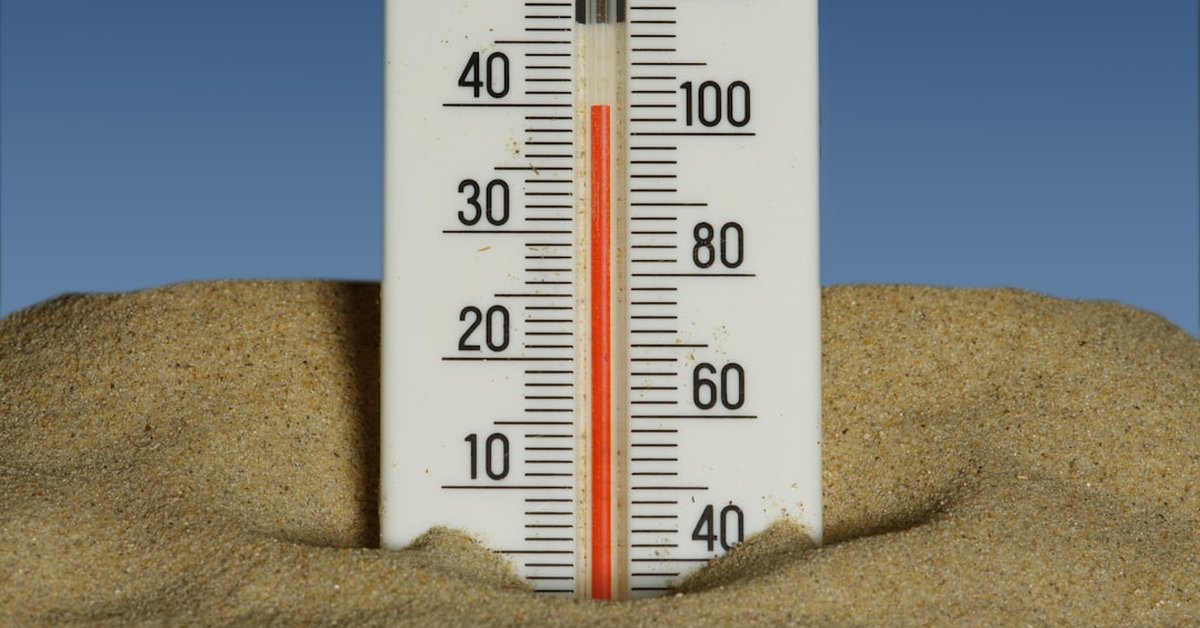
The National Weather Service‘s station at Central Park — the official climate record for Manhattan — logged a high of 96°F on July 15, kicking off the streak. Day after day, the mercury climbed: 97°F on the 16th, 99°F on the 17th, 100°F on the 18th. That’s right — three consecutive days above 99°F, including a century mark on July 18, the hottest day of the event. The streak finally broke on July 27 when a cold front dropped temperatures to a mere 89°F.
Here’s what the data looks like:
- Previous record: 9 days (July 1999)
- New record: 12 days (July 15–26, 2024)
- Peak temperature: 100°F on July 18
- Average high during streak: 97.3°F
- Minimum overnight lows: never below 80°F for 8 of those nights
“This event aligns with what climate models have projected for decades,” said Dr. Elena Vargas, climatologist at Columbia University’s Lamont-Doherty Earth Observatory. “The urban heat island effect in New York City amplifies these extremes. Central Park’s data is a canary in the coal mine for what coastal cities will face regularly by 2050.”
And it’s not just New York. Europe’s deadly heatwave broke German records and halted events just days before, showing this is a global pattern. Meanwhile, the heat wave exposed Europe’s fragile infrastructure built for a cooler era — a lesson New York is now learning firsthand.
How Did New York City Hold Up? Spoiler: Not Great
Look, New Yorkers are tough. But even the toughest city has limits. During those 12 days, the city’s emergency medical services saw a 40% spike in heat-related calls. Con Edison reported record electricity demand — 13,500 megawatts on July 19, surpassing the previous peak by 8%. And the subway? Trains slowed to walking pace on several lines because heat expansion buckled the rails.
Heat-related deaths are still being tallied, but early reports from the city’s health department show at least 27 excess deaths during the period — a number that’s likely to climb as data is analyzed. “The most vulnerable populations — elderly, low-income, those without AC — are the ones who suffer first and worst,” said Dr. Marcus Chen, director of urban health at NYU Langone. “We’re seeing heat as a silent killer in cities that aren’t prepared.”
And here’s the kicker: the city’s cooling centers — public libraries, community centers, and schools — were opened, but many lacked adequate staffing or were closed during evening hours when temperatures stayed above 80°F. That’s a problem. Because when the sun goes down and the concrete still radiates heat, people need a place to go. Not everyone has central air.
The contrast with other weather phenomena is stark. Did you know lightning can strike 10 times in one spot? That’s a sudden shock. Heat waves are a slow burn — and arguably more deadly because they grind on without dramatic visuals.
What Caused This? It’s Not Just ‘Summer’
So why did this happen? A stubborn high-pressure system — a heat dome — parked itself over the Mid-Atlantic and New England for nearly two weeks. This is the same kind of setup that baked the Pacific Northwest in 2021. But this time, it was combined with a record-warm ocean temperature in the North Atlantic, which added moisture and instability.
Sea surface temperatures off the coast of New Jersey were 3–5°F above average for July. That extra warmth fed the heat dome, making it stronger and more persistent. And Central Park’s location — surrounded by concrete and asphalt — meant the urban heat island effect added another 2–4°F on top of the ambient temperature.
The National Oceanic and Atmospheric Administration (NOAA) has been tracking these compounding factors. Their July 2024 report noted that this heat wave was made “at least 5 times more likely due to climate change.” That’s not speculation. That’s attribution science.
What This Means for You — and for Every City
If you live in New York, Boston, Philadelphia, or any major Northeast city, this is your wake-up call. These heat waves aren’t going away. They’re becoming longer, hotter, and more frequent. The 12-day streak in Central Park might become a 15-day streak by 2035. That’s not alarmism; that’s a linear projection based on current warming trends.
What can you do? Check on elderly neighbors. Know where your nearest cooling center is — and demand that they stay open 24 hours during extreme events. If you can, install a heat pump or window AC unit. And pay attention to the heat index, not just the temperature. Humidity during this streak pushed the heat index above 105°F on seven of the 12 days.
For city planners and policymakers, the message is clear: retrofit buildings, plant more trees, install reflective roofs, and upgrade the power grid. The 2024 heat wave in New York cost an estimated $1.2 billion in infrastructure damage, lost productivity, and healthcare costs. That number will only grow.
“We need to treat heat waves like hurricanes — with named warnings, pre-planned responses, and long-term adaptation,” said Dr. Vargas. “Otherwise, these events will become the new normal, and the human toll will be unacceptable.”
Frequently Asked Questions
Was the 2024 Central Park heat wave the hottest on record?
Not in terms of peak temperature. The all-time hottest day in Central Park remains 106°F, set in July 1936. But the 2024 heat wave was the longest stretch of days at or above 95°F, and it had the highest average temperature over a 12-day period. So it’s a record for duration and sustained intensity.
How does this compare to the 1999 heat wave?
The 1999 heat wave lasted 9 consecutive days above 95°F, with a peak of 102°F. The 2024 event beat it by 3 days, had a higher average temperature (97.3°F vs. 95.8°F), and had more nights where the low stayed above 80°F — 8 nights in 2024 compared to 5 in 1999. That’s critical because hot nights prevent the body from recovering.
Is climate change directly responsible for this heat wave?
Climate change doesn’t “cause” any single weather event, but it makes extreme heat waves more likely and more intense. NOAA’s attribution study found that the 2024 heat wave was made at least 5 times more likely due to human-caused warming. So it’s a major contributing factor, not the sole cause.