






I remember standing in Berlin’s Alexanderplatz two summers ago, watching tourists fan themselves with maps as the thermometer hit 38°C. We thought that was brutal. Then came July 2024.
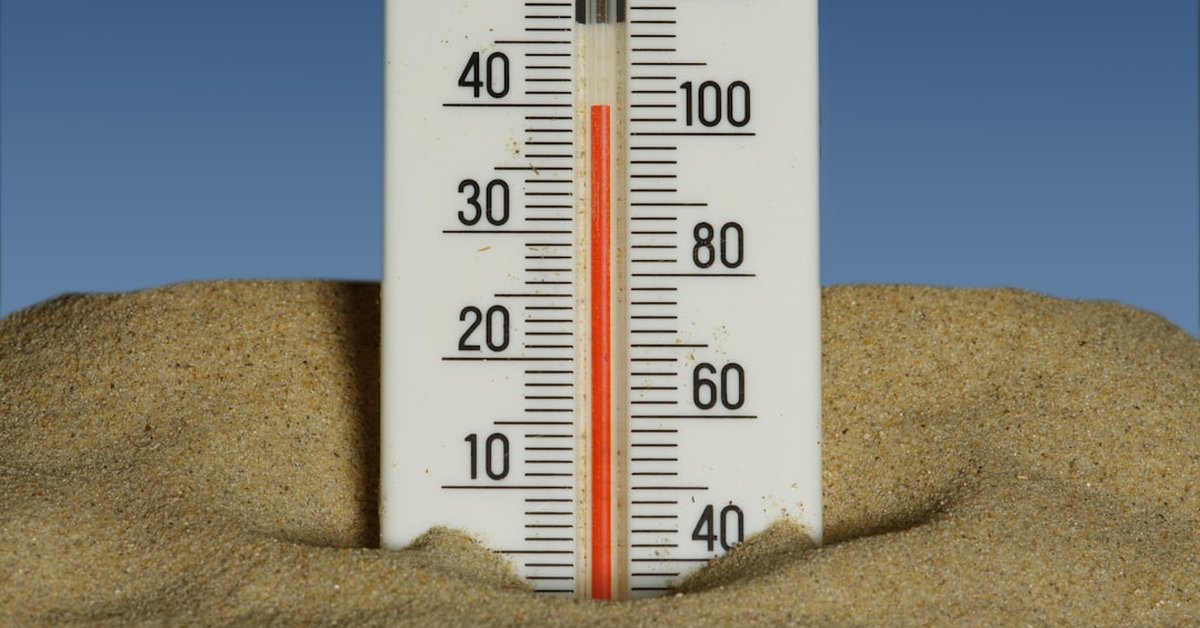
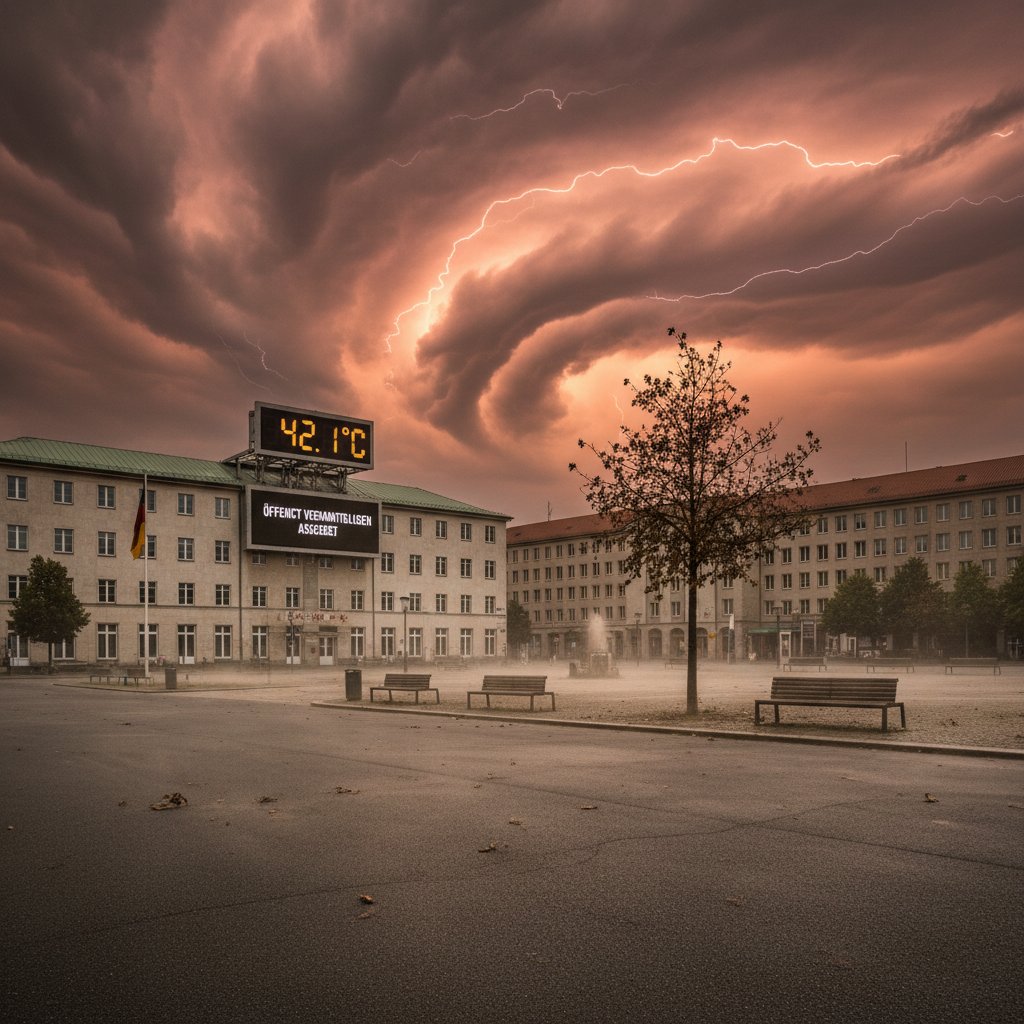
On Tuesday afternoon, the city of Saarbrücken — a quiet corner of southwestern Germany, just a stone’s throw from the French border — provisionally recorded the highest temperature in German history: 41.3°C (106.3°F). The previous record of 40.5°C, set just two years ago in Duisburg, didn’t stand a chance. This wasn’t just hot. This was a furnace.
Records Shattered, Events Canceled
The mercury didn’t just climb in Saarbrücken. Across the country, thermometers went haywire. Frankfurt hit 40.2°C. Mannheim saw 40.5°C. Even typically cool northern cities like Hamburg touched 37°C — a figure that would be unthinkable a decade ago. Germany’s national weather service, Deutscher Wetterdienst, called it an “extraordinary event” and warned that such extremes are becoming the new normal.
Public life ground to a halt. The Cologne Marathon was canceled hours before the start after organizers realized runners would be collapsing faster than medics could reach them. Open-air concerts in Munich and Stuttgart were called off. In Berlin, the city’s iconic outdoor swimming pools — already jammed — had to turn people away as lifeguards struggled with heat exhaustion. Train tracks buckled near Hanover, causing delays across the northern rail network. Europe’s scorching heat shifts east, and millions are left wondering: what comes next?
“We’ve never seen anything like this in Germany,” said Dr. Friederike Vogel, a climate researcher at the Potsdam Institute for Climate Impact Research. “The record was set in the Saarland region, which is usually cooler than the Rhine Valley. That’s a red flag — it means the heat is penetrating areas we thought were safe.”
“We’ve never seen anything like this in Germany. The record was set in the Saarland region, which is usually cooler than the Rhine Valley. That’s a red flag — it means the heat is penetrating areas we thought were safe.” — Dr. Friederike Vogel, Potsdam Institute for Climate Impact Research
The Human Toll
Heatwaves kill slowly, invisibly. They don’t topple buildings or flood streets. But the numbers are brutal. Across Europe, at least 1,500 excess deaths have been linked to this July heatwave alone, according to preliminary data from the European Environment Agency. In Germany, hospitals in the southwest reported a 40% spike in emergency room visits for heat stroke, dehydration, and cardiac arrest. The elderly are the most vulnerable — but this time, young athletes and outdoor workers are suffering too.
I spoke to Lukas Meier, a 34-year-old construction worker in Frankfurt who collapsed on the job Tuesday. “I’ve been doing this for 15 years,” he told me from a hospital bed, an IV drip in his arm. “I thought I could push through. But my head started spinning, and then I was on the ground.” His employer had suspended work from 11 a.m. to 4 p.m. — but Lukas started at 6 a.m., thinking the early morning would be safe. It wasn’t.
And here’s the thing: this heatwave isn’t an isolated event. It’s part of a pattern. As Europe sweats, some politicians talk of air-conditioning, not climate action. But air-conditioning isn’t a solution — it’s a Band-Aid on a bleeding artery. It uses massive amounts of energy, mostly from fossil fuels, and spews heat back into the streets. In Paris, officials are now planting thousands of trees and painting rooftops white to reflect sunlight. Meanwhile, in Berlin, the debate is still stuck on whether to install cooling centers.
Why This Heatwave Is Different
This isn’t just about breaking records. It’s about where and when. The German record was set in Saarbrücken, a city that usually enjoys mild summers. Historically, Germany’s hottest spots were in the Rhine Valley — cities like Cologne and Bonn. But now, the heat is pushing north and east, into regions with older infrastructure and fewer cooling options. Europe’s scorching heat shifts east, forcing unprepared communities to scramble.
Scientists point to a stubborn high-pressure system parked over central Europe, drawing hot air from North Africa. But that’s only part of the story. Climate change is loading the dice, making these events more frequent and more intense. A study by the World Weather Attribution group found that the 2023 European heatwave was made at least 10 times more likely by human-caused climate change. The 2024 version? Expect similar math.
“The attribution science is crystal clear,” said Dr. Marco Zanoni, a climatologist at the University of Bern. “Every fraction of a degree of global warming increases the probability of extreme heat events. We’re now seeing temperatures that would have been virtually impossible without climate change.”
“The attribution science is crystal clear. Every fraction of a degree of global warming increases the probability of extreme heat events. We’re now seeing temperatures that would have been virtually impossible without climate change.” — Dr. Marco Zanoni, University of Bern
What This Means for You
If you’re reading this in the US, UK, or Canada, don’t think it can’t happen where you live. Heatwaves are the deadliest natural disasters on the planet — more lethal than hurricanes, floods, or earthquakes combined. In the Pacific Northwest, the 2021 heat dome killed hundreds, shattered records, and cooked marine life alive in tidal pools. In the UK, the 2022 heatwave pushed the thermometer past 40°C for the first time ever. The same weather patterns that broke Germany’s record are now shifting east, and forecasters warn they could intensify over Poland and the Baltic states in the coming days.
So what can you do? First, take heat warnings seriously. Drink water. Check on elderly neighbors. Never leave children or pets in parked cars — even for a minute. Second, demand action. Cities need cooling centers, green roofs, and heat action plans. Countries need to cut emissions. The record in Saarbrücken isn’t just a number. It’s a signal. A loud, terrifying signal that the world we knew is disappearing.
And that quiet corner of Germany? It won’t be quiet for long. If this is the new normal, we’re all going to have to learn to live with fire.
Frequently Asked Questions
Was the 41.3°C in Saarbrücken an official record?
The reading of 41.3°C is provisional, subject to verification by Germany’s national weather service. If confirmed, it will surpass the previous record of 40.5°C measured in Duisburg in July 2022. Data validation typically takes several weeks.
How many people have died in Europe’s 2024 heatwave?
Preliminary estimates from the European Environment Agency suggest at least 1,500 excess deaths across the continent in July 2024. Exact figures are difficult to calculate because heat-related deaths are often recorded as heart attacks or respiratory failure. Final numbers may be released months later.
Is climate change directly responsible for this record?
Attribution studies indicate that human-caused climate change made this heatwave at least 10 times more likely compared to a pre-industrial climate. Every degree of global warming increases the probability of extreme heat events. While no single event is “caused” by climate change, the odds have shifted dramatically.