





“Europe’s infrastructure was built for a climate that no longer exists,” says Dr. Elena Rossi, infrastructure engineer at the European Transport Research Institute. “We’re now paying for decades of design standards that assumed stable, moderate temperatures. That assumption is gone.”
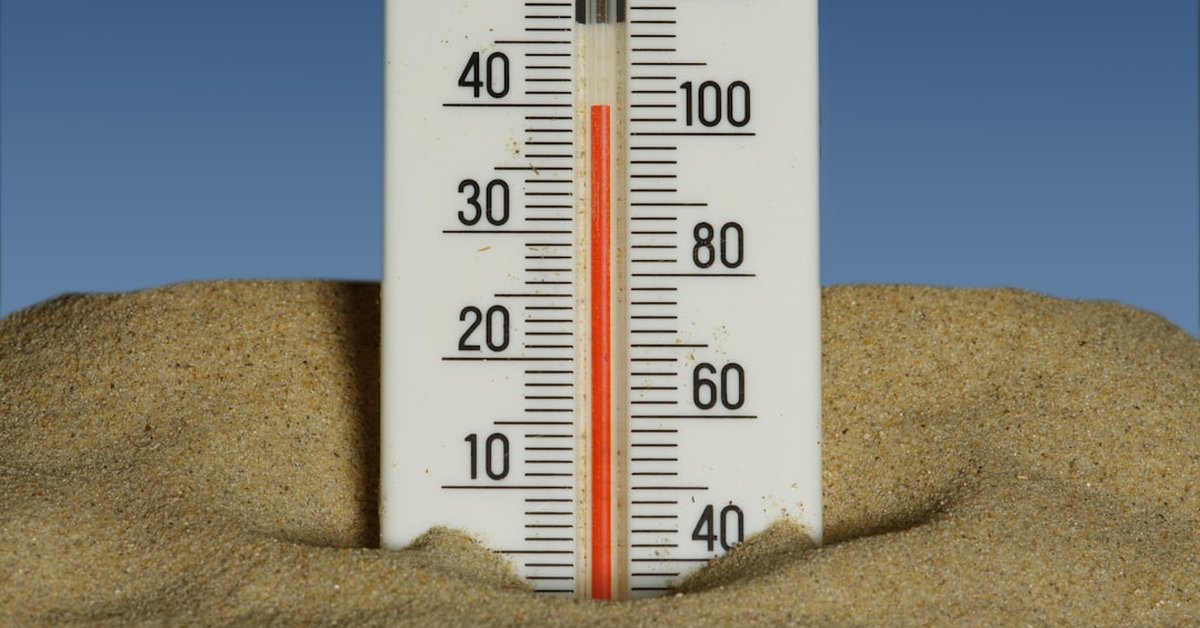
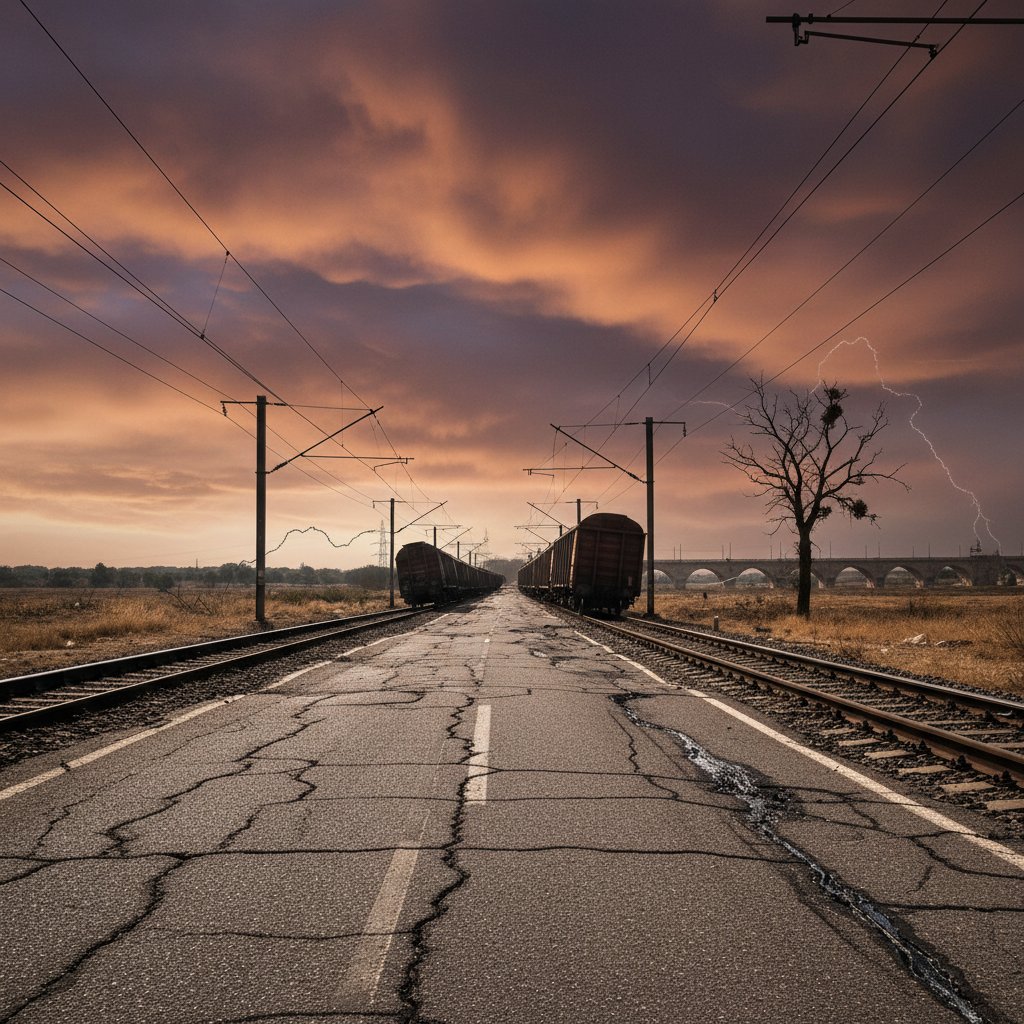
The numbers are brutal. On July 19, 2023, the mercury hit 46.3°C in Sardinia – a record for the island. In Rome, the high reached 43.2°C, melting road asphalt and buckling rail lines. Across the continent, from Madrid to Berlin, infrastructure built for a cooler climate is cracking under the weight of a heat wave that has already claimed thousands of lives. But the death toll is only part of the story. The real cost is coming in broken bridges, derailed trains, and blackouts that ripple through economies.
And it’s not just a one-off. This is the new normal. NASA’s global temperature data shows that the Earth’s average temperature has risen by 1.2°C since the late 19th century, with Europe warming nearly twice as fast as the global average. The infrastructure – much of it from the 1950s and 1960s – was never designed for this.
How Heat Warps Everything: Rail and Road
Rail networks are especially vulnerable. Steel rails expand when heated. At 50°C surface temperature – common on sun-baked tracks in southern Europe – the metal stretches up to 2 millimeters per kilometer. That might not sound like much, but it’s enough to cause buckling, misalignment, and in the worst cases, derailments. In July 2023, Network Rail in the UK imposed speed restrictions across southern England when track temperatures exceeded 50°C. Trains slowed to 30 mph, causing cascading delays that snarled commuter routes for days.
Roads aren’t faring any better. In Spain’s Extremadura region, the A-66 highway developed cracks 3 cm wide as the asphalt softened and heaved. Trucks had to be diverted onto secondary roads, adding 45 minutes to delivery times. “We’re seeing pavement rutting and bleeding that we’d normally only expect in equatorial climates,” says Dr. Klaus Weber, climate resilience expert at the German Institute for Urban Studies. “Engineers used to plan for a 40-year lifespan. Now we’re lucky to get 15 years before major repairs.”
The cost adds up. The European Union’s transport commissioner estimated in early July that the week-long heat wave across western Europe caused €1.2 billion in damage to roads and railways alone. That’s a single week. As BBC Future reported, the heat wave is revealing systemic weaknesses that no quick patch can fix.
Power Grids Under Duress
Electricity networks face a double whammy: soaring demand for cooling and declining supply from thermal plants. In France, nuclear reactors – which need river water for cooling – have been forced to reduce output because the Rhône and Garonne rivers are too warm and too low. On July 21, Électricité de France (EDF) shut down three reactors in the Auvergne-Rhône-Alpes region, cutting 2.7 GW of capacity – enough to power 1.5 million homes. Meanwhile, peak demand hit 62 GW, a summer record, driven by air conditioners and fans running 24/7.
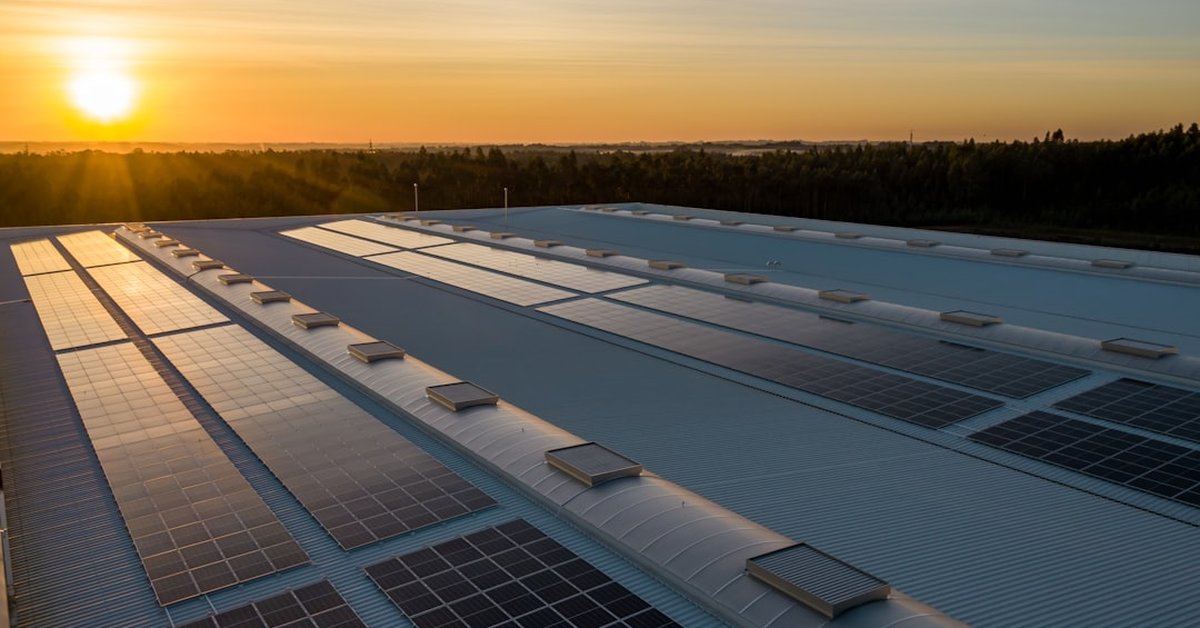
The imbalance has forced grid operators to import power from neighbors. Germany sent 1.8 GW to France on July 22, but its own grid is feeling the strain. Solar panels generate more in heat, but inverters – which convert DC to AC – fail at temperatures above 45°C. In Bavaria, several solar farms reported inverter failures, reducing output by 12% during the hottest hours.
It’s not just generation. High temperatures cause sagging in overhead transmission lines. Aluminum conductors expand, droop closer to trees and buildings, increasing the risk of arcing and blackouts. In Italy’s Po Valley, a sagging 380 kV line touched a tree on July 18, causing a fire and a blackout that left 200,000 people without power for six hours. The incident was eerily similar to the 2003 heat wave blackout in New York, but now it’s happening every year.
The Hidden Toll on Water and Buildings
Water infrastructure is cracking – literally. In the Netherlands, where most water pipes are made of PVC or cast iron, the heat has caused ground movement that snapped mains. The city of Rotterdam reported 43 pipe bursts in a single week in mid-July, up from an average of 12. The repair crews can’t keep up, and water losses are running at 18% in some districts. “We’re losing a fifth of our treated water before it reaches the tap, and it’s only going to get worse as the soil dries and shrinks,” says Koen van der Meer, a civil engineer at the Dutch water authority.
Buildings are suffering too. The famous glass facades of modern European architecture act as solar collectors. In London’s Canary Wharf, internal temperatures in several skyscrapers hit 38°C despite working HVAC systems. The glass panels themselves have begun to fail: thermal stress causes seals to break, creating leaks and fogging. The cost to retrofit a single 40-story tower with reflective film or external shading can run €5 million. Multiply that by the hundreds of glass-clad buildings across Europe, and you’re looking at tens of billions in unplanned expenses.
Some politicians are pushing for more air conditioning as a quick fix. That’s a dangerous Band-Aid. AC units dump waste heat onto city streets, raising ambient temperatures by 1-2°C in dense neighborhoods – a phenomenon known as the urban heat island effect. The heat wave is already shifting east, threatening millions in Poland, Ukraine, and the Balkans where infrastructure is even older and less prepared.
Look, there’s no magic solution. Retrofitting every road, rail line, and pipe would cost trillions. The alternative – doing nothing – will cost even more. A 2022 study in the journal Nature Climate Change estimated that unmitigated heat damage to infrastructure in Europe could reach €2.5 trillion by 2050. That’s the bill for a climate we didn’t build for.
“The only real answer is to stop making the problem worse by cutting emissions, and simultaneously redesign our systems for the world we now live in,” says Dr. Rossi. “It’s not glamorous work. But it’s the most important engineering challenge of our time.”
Frequently Asked Questions
1. Why is Europe’s infrastructure so vulnerable to heat?
Most of it was built between the 1950s and 1980s, when temperatures were cooler and heat waves were rarer. Design standards assumed a maximum temperature that has been regularly exceeded in the last decade. Materials like asphalt, steel rails, and certain plastics soften and fail at higher temperatures.
2. Can infrastructure be adapted quickly?
Some fixes are quick – like reflecting road coatings or adding shade structures for rail tracks. But major retrofits, like replacing cast-iron water pipes or reinforcing transmission lines, take decades and billions of euros. Most European countries have adaptation plans, but funding and political will lag behind.
3. How does heat affect electricity supply and demand?
Heat drives up demand for air conditioning, especially in countries not used to it. At the same time, thermal power plants (nuclear, gas, coal) often need to reduce output because cooling water is too warm or rivers too low. Solar panels also lose efficiency above 45°C, and transmission lines sag, causing outages.