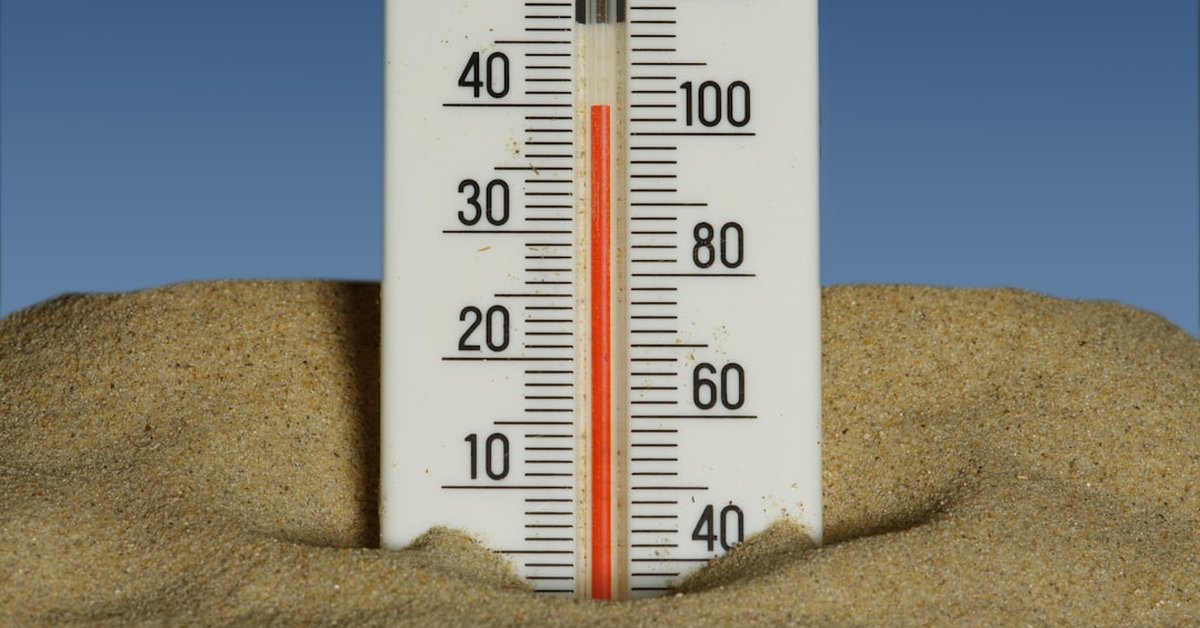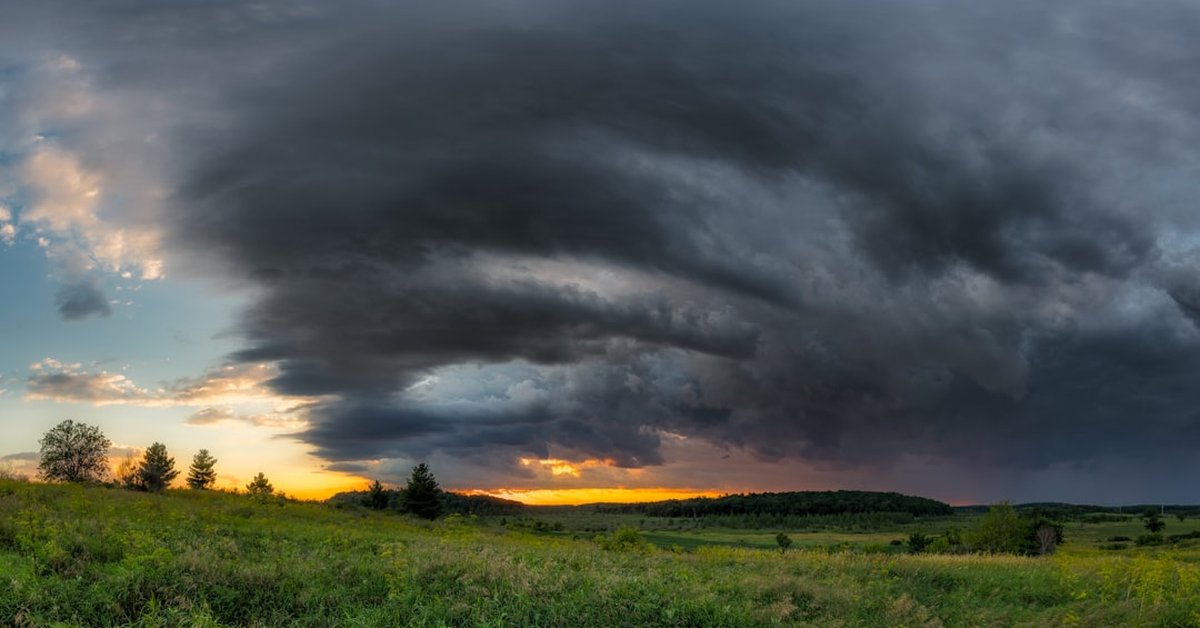








Across Europe, the scorching heat that has been gripping the continent for weeks is finally showing signs of easing in some western regions. Parts of Spain and France are experiencing slight relief, with temperatures dropping by a few degrees, but make no mistake—the record-breaking heat wave is far from over. It’s now moving eastward, bringing dangerous conditions to countries like Poland, Germany, and the Czech Republic, where residents are bracing for what could be the hottest days in decades. For millions, the immediate threat isn’t just discomfort—it’s a public health crisis, with hospitals on alert, power grids straining, and emergency services scrambling to protect the most vulnerable.
A Wave of Records: From Paris to Prague
This heat wave has already rewritten the record books. In the UK, temperatures hit 36.4°C in June, shattering previous highs for three consecutive days, as reported by CyclonePost. Now, similar extremes are being felt in Central Europe. Poland recorded 38.2°C in Warsaw on Wednesday—its highest temperature ever for July. The Czech Republic saw 39.5°C in Plzeň, breaking a 20-year-old record. “This is not just a hot spell,” says Dr. Elena Vostokova, a climatologist at the University of Warsaw. “It’s a systemic shift in weather patterns that we are only beginning to understand. The heat dome that formed over Western Europe is now migrating east, and it’s bringing the same intensity.”
The heat dome phenomenon—a high-pressure system that traps hot air—is the culprit. It’s the same mechanism that baked France and Spain in June, causing wildfires in Catalonia and water shortages in the Loire Valley. Now, it’s sitting over the Baltic states, and forecasters predict it could linger for another week. That means more records could fall in Hungary, Slovakia, and even western Ukraine.
Health Risks and Infrastructure Under Siege
The real story here isn’t the numbers on a thermometer—it’s what those numbers do to people. In Germany, authorities have reported a 40% increase in heatstroke cases in Berlin alone over the past 72 hours. Hospitals are setting up cooling tents, and paramedics are distributing water bottles on the streets. “We’re seeing patients who thought they could tough it out,” says Dr. Markus Klein, an emergency physician at Charité Hospital. “But when the body temperature hits 40°C, it’s a medical emergency. The elderly and those with heart conditions are at highest risk.”
Infrastructure is also buckling. In the Czech Republic, railway tracks buckled near Brno, causing delays and cancellations. Power grids in Poland are under strain as air conditioning usage skyrockets—electricity demand has jumped 15% compared to the same period last year. And in rural areas, farmers are watching crops wither. Wheat yields in eastern Germany are expected to drop by 20% this season, according to the German Farmers’ Association. This has ripple effects: higher food prices, potential shortages, and economic stress for communities already struggling after the pandemic.
Meanwhile, the threat of wildfires is growing. In the Czech Republic, a blaze near the town of Český Krumlov burned through 200 hectares of forest on Tuesday. Firefighters are stretched thin, and many are working double shifts. It’s a grim reminder of the fires that ravaged Spain and Portugal in June, and experts warn that the eastward shift could bring similar devastation to regions less prepared for such events. For readers in the UK and US, this might seem distant—but remember, the same weather systems that affect Europe can influence Atlantic storm patterns. Just last week, the Bay of Biscay storm unleashed 100mph winds and freak lightning, a direct result of the atmospheric instability caused by extreme heat.
What This Means for You: Travel, Safety, and Preparedness
If you’re planning a trip to Central or Eastern Europe in the coming days, be prepared for disruptions. Airlines have issued advisories for flights into Vienna, Budapest, and Krakow, warning of possible cancellations due to heat-related runway issues. Trains are running on modified schedules, and some tourist attractions—like Prague Castle—have closed their outdoor areas during peak heat hours. And if you’re staying home in North America, keep an eye on the weather: the jet stream is wobbling, and that could mean a cooler, wetter July for parts of the US East Coast.
But here’s the thing: this heat wave isn’t a one-off. It’s part of a pattern. Since the 1950s, heat waves in Europe have become more frequent and intense, with the number of extreme heat days tripling since 2000. Scientists link this directly to climate change, as greenhouse gases trap more heat in the atmosphere. “We’re seeing what models predicted 20 years ago,” says Dr. Vostokova. “And it’s happening faster than we thought. The next step is adaptation—cities need to invest in green roofs, cooling centers, and early warning systems. Otherwise, these events will become annual crises.”
For now, the immediate advice is simple: stay hydrated, check on elderly neighbors, and avoid outdoor activity during midday. And if you’re in the path of this heat wave, don’t underestimate it. The smartest $150 you’ll spend on storm safety might actually be on a portable fan or a cooling towel—check out this guide for tips that apply just as much to heat as to hurricanes.
Looking Ahead: A New Normal?
As the heat dome continues its eastward march, forecasters are watching for signs of a breakdown. By next week, a cold front from the Atlantic could push into Central Europe, bringing thunderstorms and relief. But that relief comes with its own risks: sudden downpours on parched soil can cause flash flooding, as seen in Spain’s July 2023 floods. The cycle of extremes—drought then deluge—is becoming the new normal.
What’s next? If you live in the US or Canada, this Europe heat wave is a preview. Similar patterns have hit the Pacific Northwest in 2021 and Texas in 2023. The question isn’t if your region will face a similar crisis—it’s when. So pay attention. Because the heat is moving east, but it’s not going away.
Frequently Asked Questions
Why is the heat wave moving east?
The heat wave is driven by a high-pressure system called a heat dome, which has been stationary over Western Europe. As the system weakens slightly, it is drifting eastward, bringing the same hot air to Central and Eastern Europe. This is typical of summer weather patterns, but climate change is making these events more intense and longer-lasting.
How long will the heat wave last?
In the eastern regions, temperatures are expected to remain high for at least 5 to 7 more days, with some areas like Poland and the Czech Republic seeing peaks by the end of this week. A cold front from the Atlantic may bring relief by mid-next week, but it could also trigger severe thunderstorms and flash floods.
What can I do to stay safe during extreme heat?
Stay indoors during peak heat hours (11 a.m. to 4 p.m.), drink plenty of water, avoid alcohol and caffeine, and use fans or air conditioning if available. Check on elderly relatives and neighbors. If you feel symptoms like dizziness, nausea, or confusion, seek medical help immediately—those are signs of heatstroke.