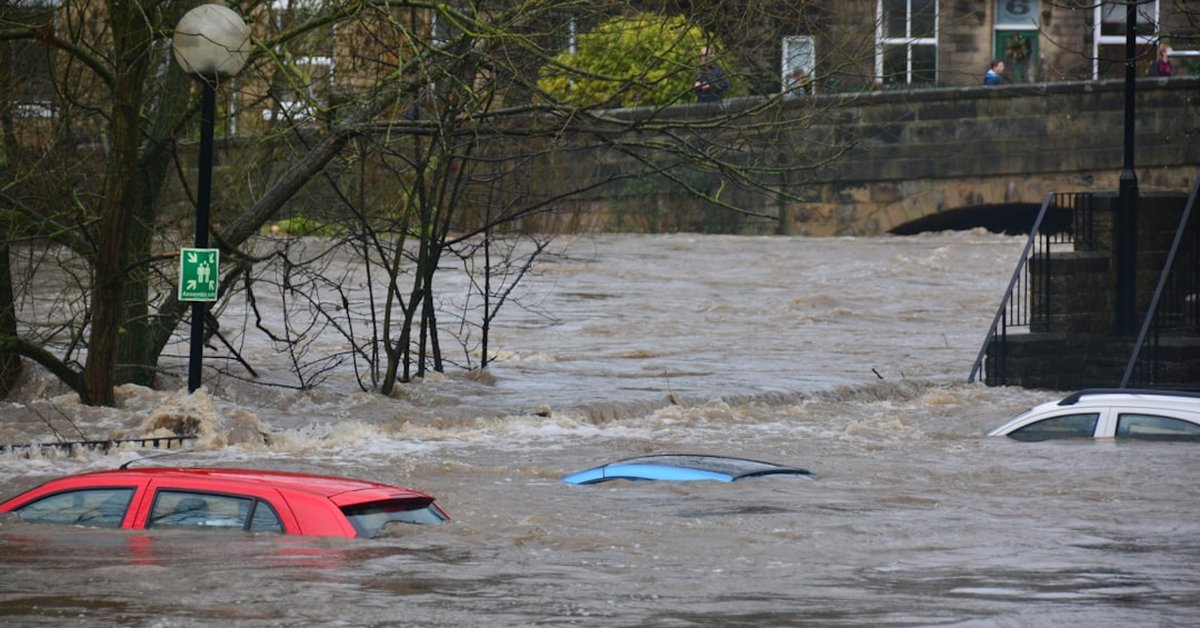






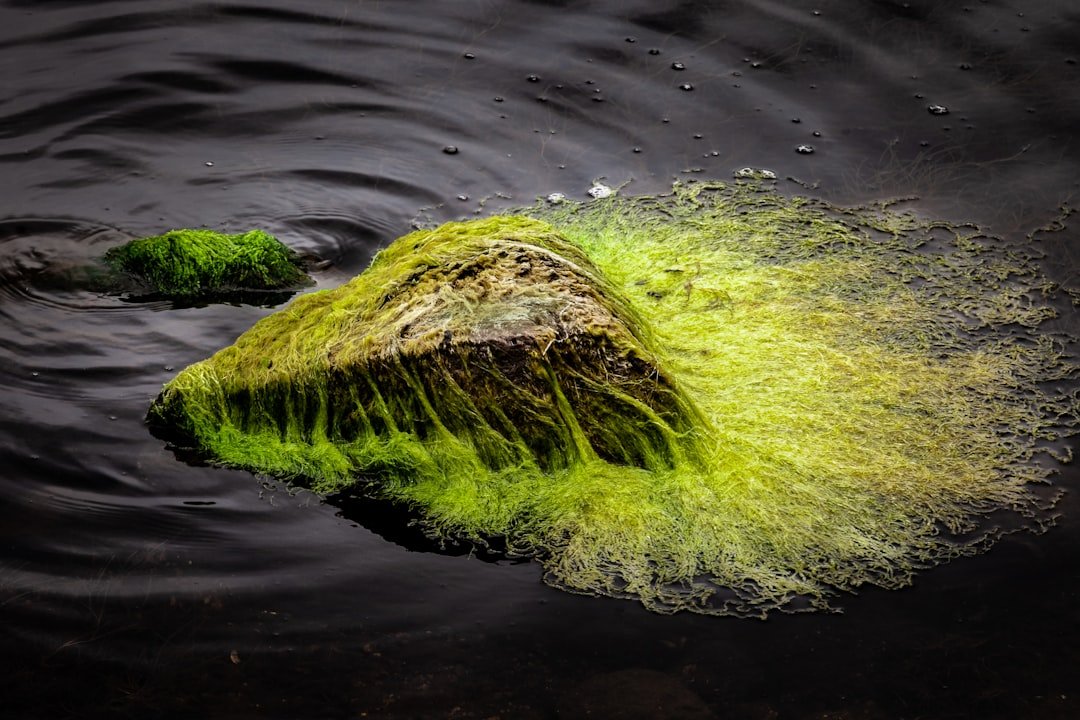
It’s happened again. The National Mall’s Reflecting Pool has turned the color of pea soup—a murky, vibrant green that looks like someone dumped a hundred cans of paint in it. For the third summer running, algae have overtaken the iconic stretch of water between the Lincoln Memorial and the Washington Monument. Tourists snap photos, Park Service workers sigh, and a quiet argument is brewing among scientists: maybe we should just let it happen.
That argument sounds almost unpatriotic. The Reflecting Pool is, after all, a national symbol—a mirror meant to reflect the monuments of democracy. But the green scum? It reflects something more honest: a nation that has warmed its streets, over-fertilized its lawns, and poured nutrients into every waterway from the Potomac to the Mississippi. E pluribus unum has become e pluribus algae—from many sources, one green mess.
The Algae Are Us
Algae blooms aren’t just a D.C. problem. They’re blanketing Lake Erie, choking Florida’s Gulf coast, and turning reservoirs into toxic sludge. But the Reflecting Pool is our national mirror—and right now it’s showing us what we’ve become. Every drop of stormwater runoff from the city’s streets, every ounce of fertilizer from suburban lawns, every warm day courtesy of climate change feeds these blooms.
“We’ve engineered a landscape that is perfect for algae,” says Dr. Elena Martinez, an aquatic ecologist at the University of Maryland. “The Reflecting Pool isn’t failing—it’s succeeding at being a reflection of the watershed we built. That’s the unintended monument to our own success.”
Look at the numbers. NOAA data shows that harmful algal blooms in U.S. freshwater bodies have more than doubled in frequency since the 1990s. The season is longer, the outbreaks more intense. And the D.C. region is ground zero for a perfect storm of heat, urban runoff, and aging infrastructure.
A Brief History of Washington’s Green Spit
The Reflecting Pool was dedicated in 1923, fed originally by natural springs and later by chlorinated city water. For decades it stayed reasonably clear—until about 2015. Then something shifted. Summers got hotter. Rainstorms grew more intense, washing fertilizer and dog waste and road salt into the system. In 2021, the National Park Service drained the entire pool, scrubbed it, and installed a new recirculation system. Cost: $8 million. The algae returned in three weeks.
That’s not an anomaly; it’s a pattern. The EPA warns that warming water temperatures combined with nutrient pollution create conditions where algae can rebound faster than any control method. And we’re making it worse. As we documented in America’s 10-Day Heat Scorch, heatwaves that regularly push D.C. past 95°F are now the norm—perfect temperatures for cyanobacteria to thrive.
But heat alone isn’t the culprit. It’s the runoff. And with severe storms hitting harder—as we covered in our analysis of storm intensification—the pulse of pollutants into water bodies is accelerating. Every heavy rain becomes a nutrient injection.
Why Fighting Algae Is Futile
The Park Service has tried aeration bubblers, algaecides, even dredging trucks. All of it works for about a month. Then the green returns. Dr. James O’Connor, a retired NPS water resource manager who spent thirty years on the National Mall, puts it bluntly:
“You can treat the symptom, but the disease is our entire watershed. It’s like trying to mop the floor while the sink is overflowing. The algae are a symptom of a larger ecological collapse—and that collapse is us.”
It’s not just money. NASA satellite imagery shows algal blooms expanding across the globe—Lake Erie’s is now visible from space. The U.S. alone spends over $4 billion annually on harmful bloom management, and it’s barely keeping pace. In the Reflecting Pool, the cost of continuous chemical treatment would run into the millions per year—for a 2,000-foot-long concrete pond that was never meant to be a natural ecosystem.
Let the Scum Stay
So here’s the heretical idea: stop fighting it. Let the algae take over. Rename it the “Reflecting Green Pool.” Put up an interpretive sign explaining exactly why it’s green—how the Mid-Atlantic’s 2.5°F temperature rise, the 40% increase in extreme rainfall events, and the car-centric design of our cities all conspire to nourish this slimy blanket. Make it a teaching moment.
Because pretending we can scrub the pool clean is the real lie. It’s the same lie we tell ourselves about clean rivers, clean air, a stable climate—that with enough technology and money we can keep the ugly truth at bay. But the algae don’t care about symbolism. They thrive on our excess.
And maybe that’s the most American thing of all. We take something beautiful—a reflecting pool, a coastal wetland, a Great Lake—and we fill it with our runoff and our heat and our waste, and then we’re surprised when it turns green. The algae aren’t a failure; they’re a report card.
Patriotism in the 21st century might look less like cleaning the pool and more like letting it tell the truth. When visitors from abroad see that green soup, they aren’t seeing a blight—they’re seeing a nation coming to terms with its own footprint. That’s real. That’s honest. That’s, dare I say, red, white, and blue.
The climate isn’t going to stop warming anytime soon. The storms aren’t going to ease up. But the Reflecting Pool will still be there, a green mirror in the heart of the capital. The most patriotic thing we can do is stop wincing and start reading what it says.
Frequently Asked Questions
Is the algae in the Reflecting Pool dangerous to humans?
Some species of cyanobacteria (blue-green algae) produce toxins that can cause skin rashes, nausea, or liver damage if ingested. The Park Service regularly tests the water and posts warning signs when toxin levels are high. It’s unwise to touch the water or let pets near it.
How much has it cost to clean the Reflecting Pool so far?
The 2021 rehabilitation cost $8 million. Ongoing chemical treatments, aeration, and staffing add tens of thousands per year. The National Park Service does not break out the algae-related budget separately, but multiple park officials have described it as a “significant and growing expense.”
Could the algae ever be beneficial?
Not really. While algae produce oxygen and absorb carbon dioxide, the nuisance blooms in the Reflecting Pool are dominated by species that deplete oxygen at night and can release toxins. They are not the kind that could be harvested for biofuel or fertilizer in this setting. Their primary value is as a visible indicator of nutrient pollution and climate change.