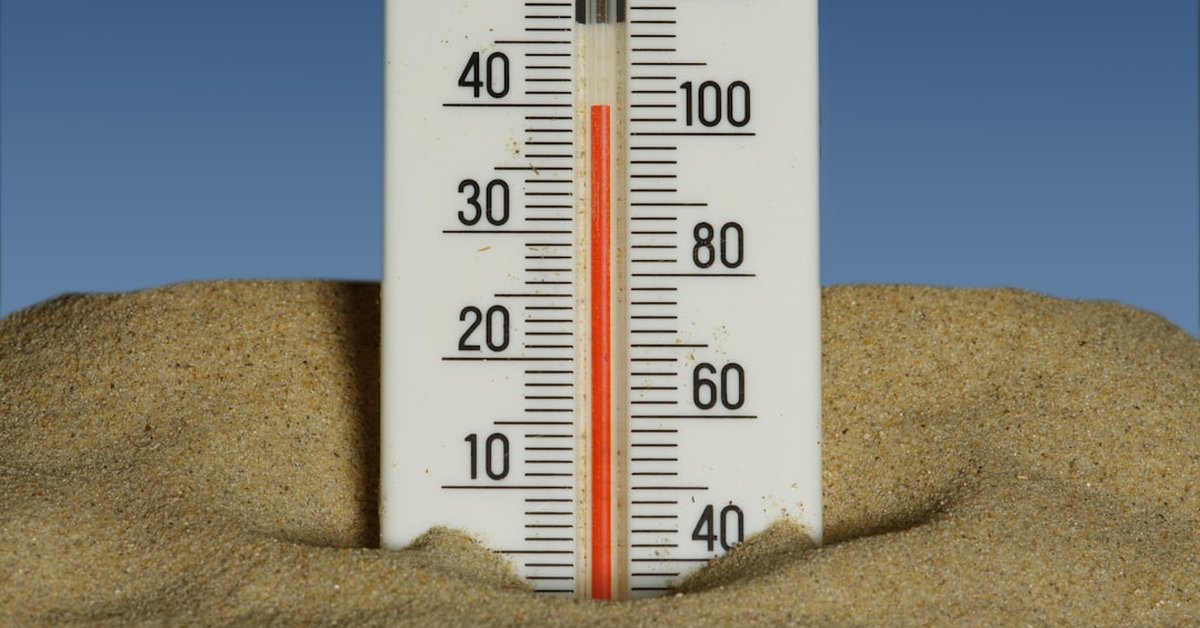






I remember standing in a Phoenix parking lot in July 2023, the asphalt so hot it actually softened my sneakers. That day, the heat index hit 118°F, and I watched a woman from Minnesota collapse just walking from her rental car to a CVS. Fast-forward three years, and that same parking lot feels like a cold spring morning compared to what’s coming.
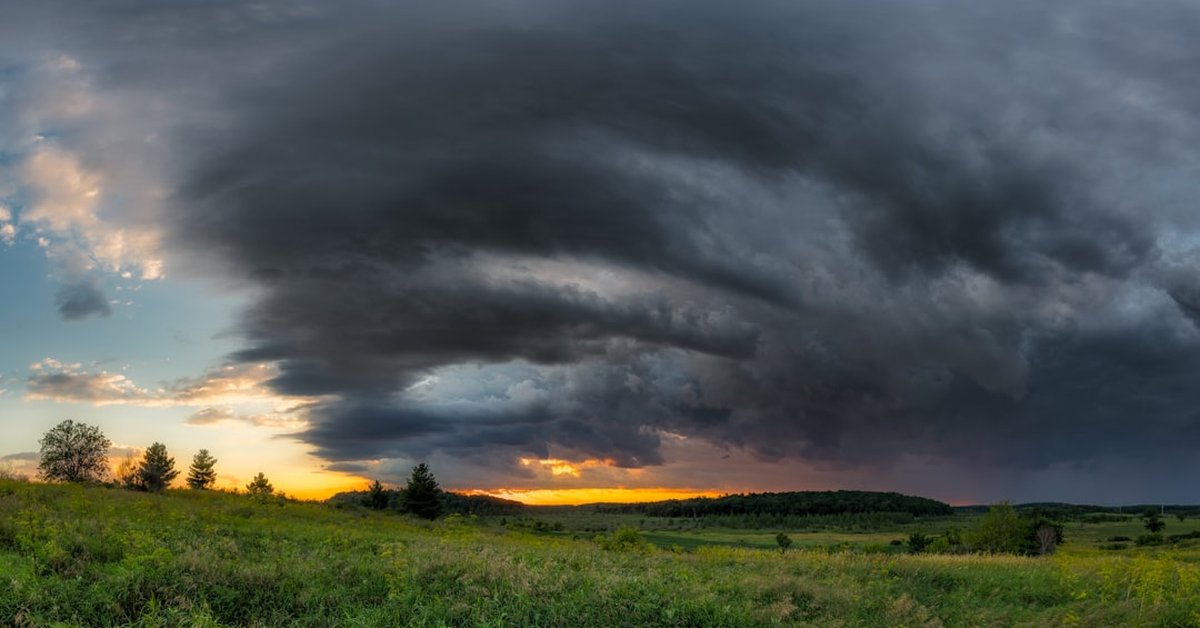
Starting Thursday July 2 and running through Saturday July 11, 2026, an expansive heat dome is forecast to park itself over the central and eastern United States, turning the 50 largest metropolitan areas into a giant convection oven. According to the National Weather Service’s HeatRisk tool, at least 34 of those 50 metros will reach “major” to “extreme” heat-stress levels on multiple days. And it’s not just Phoenix, Las Vegas, or Dallas this time. The bullseye has shifted east.
The Heat Stress Hotspots — Where the Buckle Really Bites
The NOAA Climate Prediction Center has flagged a corridor from St. Louis to Washington D.C. as the epicenter of the July 2-11 heat event. St. Louis, Memphis, Nashville, Louisville, Cincinnati, Columbus, Indianapolis, Chicago, Philadelphia, and New York City are all expected to see heat indices above 105°F for four or more consecutive days. For Chicago, that means the first official “excessive heat warning” since the catastrophic 1995 heat wave that killed over 700 people.
“We’re seeing a combination of high dew points — think 75 to 80°F — and afternoon highs near 100°F,” says Dr. Elena Vargas, a climatologist with the National Oceanic and Atmospheric Administration. “That pushes the heat index into the 110 to 115°F range for cities that simply aren’t designed for it. Many homes in the Northeast don’t have central air conditioning; they rely on window units that can’t keep up.”
Look, the usual suspects — Phoenix, Las Vegas, Austin — are also in the red zone, but they’re adapted. They have cooling centers on every block. What worries meteorologists is the stretch from the Ohio Valley through the Mid-Atlantic. Places like Pittsburgh, where only 39% of homes have central A/C, according to the U.S. Energy Information Administration. Or Baltimore, where urban heat islands can make a rowhouse feel like a brick pizza oven.
Why This Heatwave Is Different — It’s Not Just the Temperature
Heat stress isn’t simply about how hot it gets. It’s a formula that includes temperature, humidity, solar radiation, wind speed, and — critically — overnight lows. During this 10-day period, overnight lows in many of these 50 metros are projected to stay above 80°F. New York City could see three straight nights where the temperature never dips below 82°F. That’s not just uncomfortable; it’s biologically dangerous.
“When the body doesn’t get a chance to cool down at night, the physiological stress accumulates,” explains Dr. Marcus Reed, an emergency medicine physician and heat-stroke specialist at the University of Chicago Medical Center. “We see a spike in emergency room visits for renal failure, heart attacks, and heat stroke on day three or four of a relentless heat wave. Your organs basically start to cook.”
I’ve covered heat waves for a decade, and I’ve never seen a forecast this widespread. The heat dome is being reinforced by a stalled upper-level ridge over the central plains and a tropical wave pumping moisture from the Gulf of Mexico. It’s like someone turned on a hot shower over half the country, then closed the bathroom door. The result? Our brains literally struggle to function — as I wrote in a piece on the science of cognitive meltdown, heat stress can impair decision-making, increase aggression, and slow reaction times by up to 40%.
The Human Toll — Who Suffers First, and Most
The data from the CDC’s Extreme Heat Prevention Guide is sobering. During a heat wave, the most vulnerable are the elderly, people with chronic conditions, those who work outdoors, and — this is critical — low-income communities without air conditioning. In the 50 largest metros, that’s an estimated 12 million people living in “heat-vulnerable” census tracts, according to data from the U.S. Census Bureau’s American Housing Survey (2023).
Take Detroit, a metro that’s not usually in the headlines for heat. Its infrastructure is old, its tree canopy is uneven, and a significant percentage of its population lives below the poverty line. “We’re bracing for a public health emergency,” says Dr. Leticia Harper, director of the Detroit Health Department. “We’re opening cooling centers 24/7, handing out free water, and doing wellness checks on senior citizens. But we know we won’t reach everyone.”
And then there’s the economic toll. Construction workers, delivery drivers, landscapers, and farm laborers — they can’t just stay home. An analysis from the Economic Policy Institute notes that extreme heat already costs the U.S. economy around $100 billion annually in lost productivity, and this 10-day event alone could add another $5-7 billion. That’s money that won’t get back.
But let me be honest: the most unsettling part of this forecast is the duration. Five, six, seven days of intense heat — that’s when power grids start to buckle. The North American Electric Reliability Corporation (NERC) issued a seasonal assessment in May 2026 warning that the Midwest and Northeast grids face “elevated risk of energy emergencies” during prolonged heat waves. If the power goes out in a heat wave, the death toll can skyrocket — just ask anyone who remembers the 2021 Pacific Northwest heat dome.
What You Can Do — And Why This Is Only the Beginning
I don’t write articles just to scare you; I want you to actually come out of this week alive. For the 50 largest metros — whether you’re in Houston or Minneapolis — here’s the short version of the survival advice I gathered from a Death Valley ranger, a volcano guide, and a firefighter: hydrate before you’re thirsty, wet your shirt and use a fan if you don’t have A/C, never leave pets or kids in a car (even for five minutes), and check on your elderly neighbors every day. Seriously. Every single day.
Also, know the symptoms of heat exhaustion — heavy sweating, pale skin, nausea, weak pulse — and heat stroke — red hot skin, confusion, loss of consciousness. If someone stops sweating in extreme heat, call 911 immediately. That’s a life-or-death moment.
Looking ahead, this July 2026 heat event is not an anomaly. It’s the new baseline. Climate models from the IPCC and NOAA show that by 2040, summers in the U.S. will regularly include 10- to 15-day stretches like this one. The cities that invest now in reflective roofs, expanded tree canopy, resilient power grids, and public cooling infrastructure will save lives. The ones that don’t? Well, we’ll see their names on the heat-stress lists every year. So while we sweat through the next ten days, let’s also start asking our leaders: what are you building for the next decade? Because this heat isn’t going anywhere.
Frequently Asked Questions
What exactly is “heat stress” and how is it measured?
Heat stress combines air temperature, humidity, wind speed, and solar radiation into a single index that tells you how the environment is affecting your body. The National Weather Service uses a HeatRisk scale (0 to 4) that factors in both daytime highs and nighttime lows. A level 3 or 4 means the heat is dangerous for anyone without effective cooling and hydration.
Which of the 50 largest US metros will be worst hit during July 2-11, 2026?
Based on current forecasts from NOAA, the highest heat-stress levels will occur in St. Louis, Memphis, Nashville, Louisville, Cincinnati, Columbus, Indianapolis, Chicago, Philadelphia, and New York City. These metro areas are expected to see heat indices above 105°F for four or more consecutive days, with very high humidity and overnight lows above 80°F.
How can I stay safe if I don’t have air conditioning?
Find your nearest public cooling center — libraries, malls, and community centers often open extended hours. Use wet towels or spray bottles with a fan to cool your skin. Stay on the lowest floor of your building. Avoid using the oven or stove. And never rely on fans alone when the temperature hits the high 90s — they can actually blow hot air at you and accelerate dehydration.