






Every July 4, millions of Americans fire up their grills, and the choice between a beef burger and a bratwurst isn’t just about taste—it’s about climate. Beef is by far the worst offender when it comes to greenhouse gas emissions, and swapping one patty for a brat could cut your meal’s carbon footprint by more than half. That’s not a small thing when you consider the 74 million cookouts the National Retail Federation expects this year.
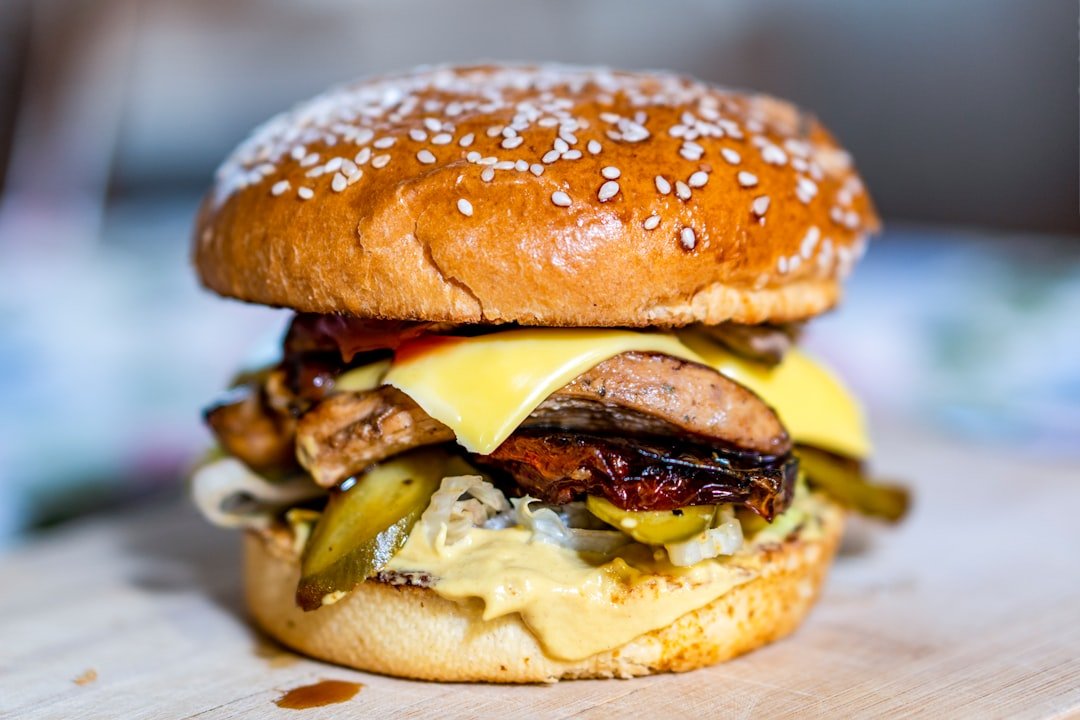
Here’s the gut punch: producing a single quarter-pound beef burger generates roughly 6.3 pounds of CO₂ equivalent, according to data from the EPA’s greenhouse gas inventory. A bratwurst—made from pork—comes in at about 2.5 pounds. That’s a 60% reduction, just by switching your protein. And if you’re thinking about the bun, ketchup, and potato salad? Forget it—the meat dominates the footprint.
The Greenhouse Gas Divide Between Beef and Pork
Why does beef score so badly? It’s a combination of three factors: cows belch methane (a potent greenhouse gas), they require huge amounts of feed and water, and they’re often raised on deforested land. Pigs, by contrast, emit less methane per pound of meat, and their feed conversion is more efficient. A 2021 study from the Food and Agriculture Organization found that beef production emits about 60 kg of CO₂ equivalent per kilogram of protein, while pork emits just 10 kg. That’s a six-to-one ratio.
Look, I’m not saying you have to become a vegan for the holiday. But the data is stark. And the bratwurst—that sausage that’s already a staple in Milwaukee and the Midwest—is a surprisingly good alternative. It’s not just about emissions either. Beef production uses about 15 times more land and water than pork per calorie. So if you’re trying to make a dent in your personal footprint, the July 4 cookout is a low-hanging fruit.
Why Your July 4 Menu Matters More Than You Think
The climate crisis isn’t just about polar bears. It’s about the extreme heat waves that are already scorching 50 U.S. metros, and the severe storms that are hitting harder every year. What we eat is directly tied to those weather patterns. Agriculture accounts for about 11% of U.S. greenhouse gas emissions, and livestock is the largest chunk. So when you choose a brat over a burger, you’re not just saving calories—you’re sending a signal up the supply chain.
“Every consumer choice matters, especially on a day like July 4 when tens of millions of people are grilling,” says Dr. Elena Martinez, a climate and food systems researcher at the University of California, Berkeley. “If half of burger eaters switched to a bratwurst this holiday, the cumulative emissions reduction would be equivalent to taking 1.5 million cars off the road for a week.” That’s a powerful image.
What About the Brats? The Pork Reality Check
Now, let’s be fair: bratwurst isn’t a climate hero. It’s still pork, which comes from industrial hog farms that produce massive amounts of manure and can pollute waterways. But on a per-calorie basis, pork is far less damaging than beef. And if you’re comparing a brat to a beef burger, the brat wins hands down. But what about chicken? A chicken breast or sausage is even better—about 1.5 pounds of CO₂ equivalent per quarter-pound. So if you’re feeling adventurous, throw some chicken thighs on the grill. Or better yet, go for a plant-based burger. The Beyond Burger and Impossible Burger have a footprint roughly one-tenth of beef.
But this article isn’t about preaching. It’s about giving you the tools to make an informed choice. The bratwurst is a great middle ground: it’s delicious, it’s traditional, and it’s a lot less damaging than beef. And you can buy local brats from a butcher, which cuts down on transportation emissions, too. Win-win.
The Bigger Picture: Cookouts and Climate Extremes
This year’s July 4 cookouts are happening against a backdrop of record-breaking heat. As I write this, the National Weather Service is warning of a heat dome stretching from Texas to the Great Lakes. Fires are already burning in the West. And the connections between food and climate are becoming impossible to ignore. “The same livestock sector that produces beef is also a major driver of the methane emissions that accelerate warming,” says Dr. James Okonkwo, an atmospheric scientist at the University of Waterloo. “When you grill a burger, you’re literally contributing to the conditions that make your cookout more uncomfortable.”
So, what’s the takeaway? You don’t have to give up meat entirely. But for one holiday, consider swapping the beef patty for a brat. Or at least for a smaller burger. Or a turkey burger. The point is that every gram of CO₂ saved adds up. And if you’re hosting a party, you can make a difference for dozens of guests at once.
How to Grill Greener This Holiday
Here are a few quick tips: Choose brats, chicken, or plant-based options over beef. Buy local to reduce shipping. Use a charcoal grill? The emissions from the charcoal itself are small compared to the meat. And don’t forget the sides—veggie skewers, corn on the cob, and potato salad are all low-impact. Oh, and skip the plastic plates and cups. That’s a different carbon footprint, but it still matters.
Bottom line: The burger vs. bratwurst debate isn’t just about taste. It’s a climate choice. And this July 4, the bratwurst is the smarter pick. Not perfect, but better. And in a world where every fraction of a degree of warming counts, better is exactly what we need.
Frequently Asked Questions
Is chicken better than pork for the climate?
Yes, chicken has a lower carbon footprint than pork. Producing a quarter-pound of chicken emits about 1.5 pounds of CO₂ equivalent, compared to 2.5 pounds for pork. So if you’re looking for the greenest animal protein, chicken is the best option among meats. But bratwurst is still a big improvement over beef.
What about plant-based burgers? Are they really better?
Absolutely. Plant-based burgers like Beyond Meat or Impossible Foods have a carbon footprint roughly one-tenth that of beef, and they use far less water and land. They’re not a whole food, but from a climate perspective, they’re a clear winner. Just check the ingredients for sodium and processing—some people prefer simpler options like black bean patties.
Can I offset my cookout emissions by planting trees or buying carbon credits?
Offsets can help, but they’re not a perfect solution. Planting a tree takes years to sequester the carbon you emitted in one meal. The most effective way to reduce your impact is to change what you eat. If you must have beef, choose a smaller portion or source it from a regenerative farm. But for a single cookout, swapping to brats or chicken is the simplest and most direct action.