



Peatlands are the climate change solution everyone ignores — and that’s a disaster. They cover just 3% of Earth’s land surface, yet store twice as much carbon as all the world’s forests combined. But we’ve drained, burned, and plowed them for centuries, turning vast carbon sinks into emission sources. Enter Dr. Christian Dunn, the Welsh ecologist dubbed “The Bogfather,” whose childhood obsession with squelching mires has become a global mission to restore these forgotten ecosystems. And he’s not alone — a growing movement of scientists, farmers, and governments is waking up to the fact that our survival may depend on getting our feet wet.
From Muddy Knees to Global Mission
Dr. Dunn’s story begins in the peat bogs of North Wales, where as a kid he’d spend hours poking at sphagnum moss and watching dragonflies. “I was that weird child who was always covered in mud,” he recalls. “Bogs were my playground. I didn’t know then that they’d become my life’s work.” Fast-forward 25 years: Dunn now leads the Peatland Ecosystems Research Group at Bangor University, and he’s become one of the UK’s most vocal advocates for peatland restoration. His nickname, “The Bogfather,” comes from a colleague’s joke — and it stuck.
The science is brutal. Healthy peatlands slowly accumulate dead plant material under waterlogged conditions, locking carbon away for millennia. But when drained for agriculture, forestry, or peat extraction, the peat dries out and oxidizes, releasing CO₂ into the atmosphere. According to the International Union for Conservation of Nature, drained peatlands account for roughly 5% of global anthropogenic CO₂ emissions — more than the entire aviation industry. In the UK alone, degraded peatlands emit about 10 million tonnes of CO₂ annually.
Rewetting the Clock on Climate Change
So what’s the fix? Rewetting. The Bogfather’s team works with farmers to block drainage ditches, raise water tables, and reintroduce sphagnum moss — the “bog builder” that regenerates peat. “It’s not rocket science,” says Dunn. “You just get the water back and let nature do the rest. But you need local buy-in, or it won’t work.” One of his flagship projects, Cors y Llyn National Nature Reserve in mid-Wales, saw water levels restored across 200 hectares. Within five years, the site shifted from a net carbon source to a modest sink. “We’re not going to save the planet with one bog,” Dunn admits. “But scale it up — thousands of hectares — and suddenly you’re talking real impact.”
“Peatlands are the unsung heroes of climate mitigation. Restoring them is like plugging a leak in the planet’s carbon tank.” — Professor Mary Gagen, peatland ecologist at Swansea University
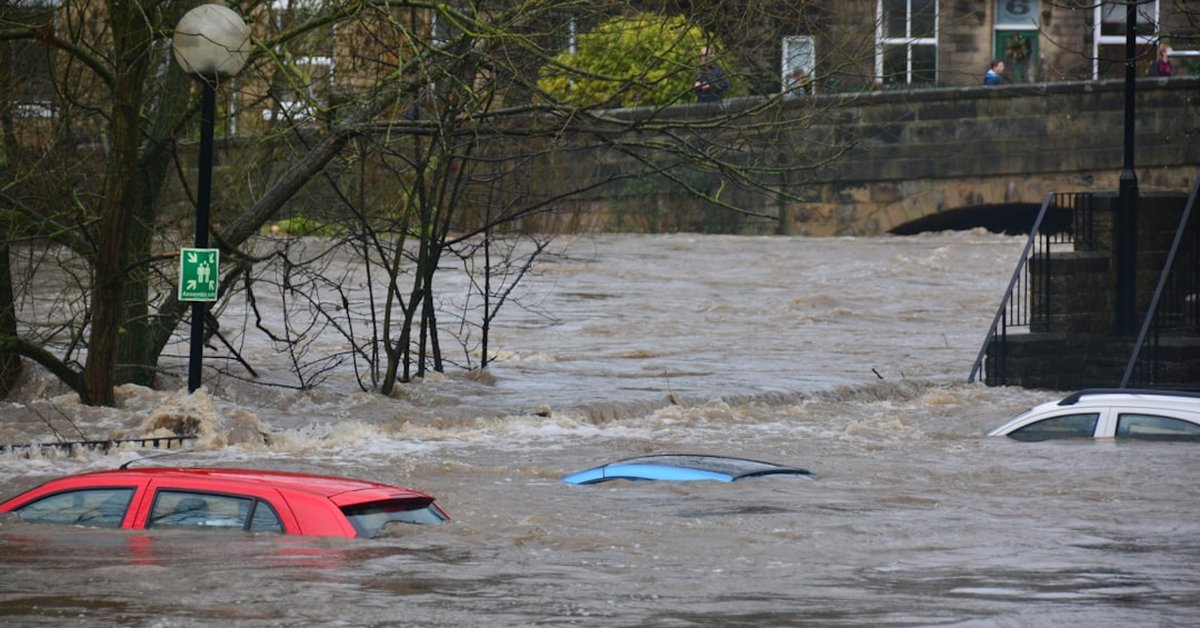
The urgency is clear. Without rapid cuts in emissions, extreme weather events will intensify — a point driven home in our coverage of the U.S. heat wave called ‘virtually impossible’ without climate change. Peatland restoration offers a dual benefit: locking carbon away while also reducing flood risk by slowing water runoff and improving water quality. For rural communities in Wales, Scotland, and across the globe, healthy bogs mean fewer floods and more resilient landscapes.
The Farmer’s Bog — A Delicate Partnership
But winning hearts and minds isn’t easy. Many farmers view peatland as wasted land — something to drain for crops or grazing. Dunn’s approach is pragmatic: “Don’t talk carbon. Talk about farm resilience. Show them that wetter land can still be productive for grazing with the right management, and that payments for ecosystem services put money in their pockets.” In Wales, the government’s Glastir scheme now pays farmers to restore peatlands, and the Welsh Peatland Restoration Project has rewetted over 5,000 hectares since 2012.
“The Bogfather bridges that gap between science and practice,” says Dr. Anna Jones, a rural policy advisor at the Welsh Government. “He speaks the farmer’s language. That’s why projects succeed.” The results are measurable: after rewetting, emission reductions average 10–20 tonnes of CO₂ per hectare per year. At current carbon prices, that’s roughly £500–£1,000 per hectare annually — a compelling economic argument for landowners.
Beyond the UK: A Global Peatland Revival
The Bogfather’s work is part of a wider resurgence in peatland restoration. Indonesia, home to vast tropical peatlands, has banned new drainage and conversion for oil palm. Canada, Russia, and the U.S. are exploring large-scale rewetting. In the Congo Basin, scientists are mapping peatlands that may hold 30 billion tonnes of carbon. Dunn is consulting with projects in Chile and New Zealand. “There’s a peatland gold rush,” he laughs. “But we have to get it right — avoid past mistakes like draining bogs to plant trees that actually kill the peat.”
Yet challenges remain. Climate change itself threatens peatlands: hotter, drier summers can cause surface fires that burn into the peat, releasing centuries of stored carbon in hours. The 2023 Canadian wildfires burned thousands of hectares of boreal peatland, emitting an estimated 100 million tonnes of CO₂. “We’re in a race,” says Dunn. “Restore now, before the next drought or fire sets us back decades.”
“If we lose the peatlands, we lose one of our best natural tools against climate change. The Bogfather is showing us how to protect them.” — Dr. Susan Page, professor of physical geography, University of Leicester
For readers wondering what they can do, Dunn has simple advice: “Use peat-free compost. That’s the single biggest consumer action you can take to protect peatlands. The horticultural industry still digs up ancient peat from fragile ecosystems just to grow petunias.” The UK government has banned sales of peat-based compost for amateur gardeners by 2024, but enforcement is patchy. Dunn urges consumers to lobby retailers and check labels.
What’s Next for the Bogfather?
Dr. Dunn now runs a community science app called “BogWatch” that lets volunteers record water levels and sphagnum growth across Welsh bogs. Early data from 500+ users shows that even small-scale rewetting by local groups can boost carbon capture. He’s also lobbying the Welsh Parliament to make peatland restoration a legally binding target in the country’s net-zero plan. “The next ten years will decide whether our grandchildren live on a planet with functional bogs or dead deserts,” he says. “I’m not being dramatic — that’s the data.”
As the U.S. and other nations scramble to address climate impacts — from heat waves to flooding — the quiet work of scientists ankle-deep in mud may be our most overlooked solution. The Bogfather’s mission is a reminder that sometimes the best climate tech is already under our feet. We just need to keep it wet.
Frequently Asked Questions
What exactly is a peatland and why is it important?
A peatland is a type of wetland where dead plant material accumulates under waterlogged conditions, forming peat. These ecosystems are critical for climate because they store massive amounts of carbon — much more per acre than forests. They also help control flooding, filter water, and provide unique habitats for wildlife like dragonflies, sundews, and rare birds.
Who is ‘The Bogfather’ and what is his real name?
‘The Bogfather’ is the nickname of Dr. Christian Dunn, a peatland ecologist at Bangor University in Wales. He earned the moniker from a colleague for his lifelong obsession with bogs and his passionate advocacy for peatland restoration. He leads research projects that work with farmers and governments to rewet degraded peatlands and restore their carbon-storing capacity.
How can ordinary people help protect peatlands?
The single most effective action is to buy only peat-free compost for gardening — check labels and avoid products containing peat. You can also support organizations that restore peatlands, or join citizen science initiatives like BogWatch that monitor bog health. Political advocacy for stricter protection of peatlands also matters; contact your representatives to support laws that limit peat extraction and drainage.