




“These are not just bad storms — they are a direct consequence of a warming climate where the atmosphere holds more moisture, and cities like Accra are simply not built to handle it.”
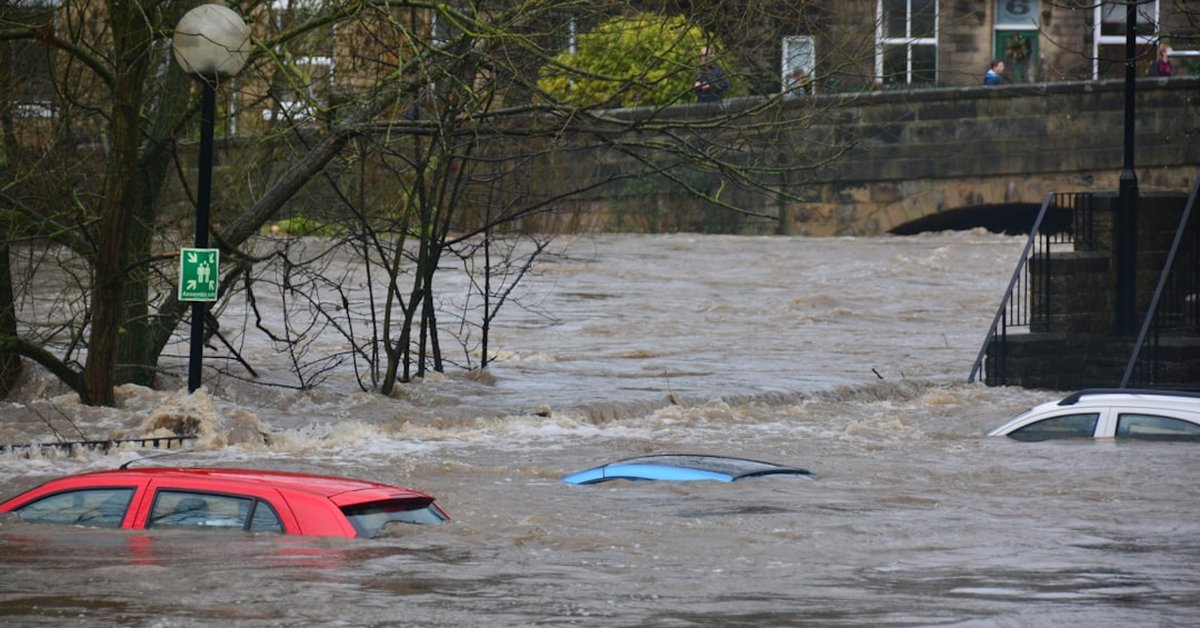
Dr. Amara Mensah, a climatologist at the University of Ghana, didn’t mince words as she described the flooding that has killed at least 13 people in Ghana’s capital, Accra, over the past 48 hours. The torrential rains turned streets into rivers, swept away cars, and collapsed homes in low-lying neighborhoods. And now, with another storm forecast to hit within days, authorities have issued urgent warnings for residents to relocate to higher ground or stay indoors.
A City Submerged: What Happened in Accra
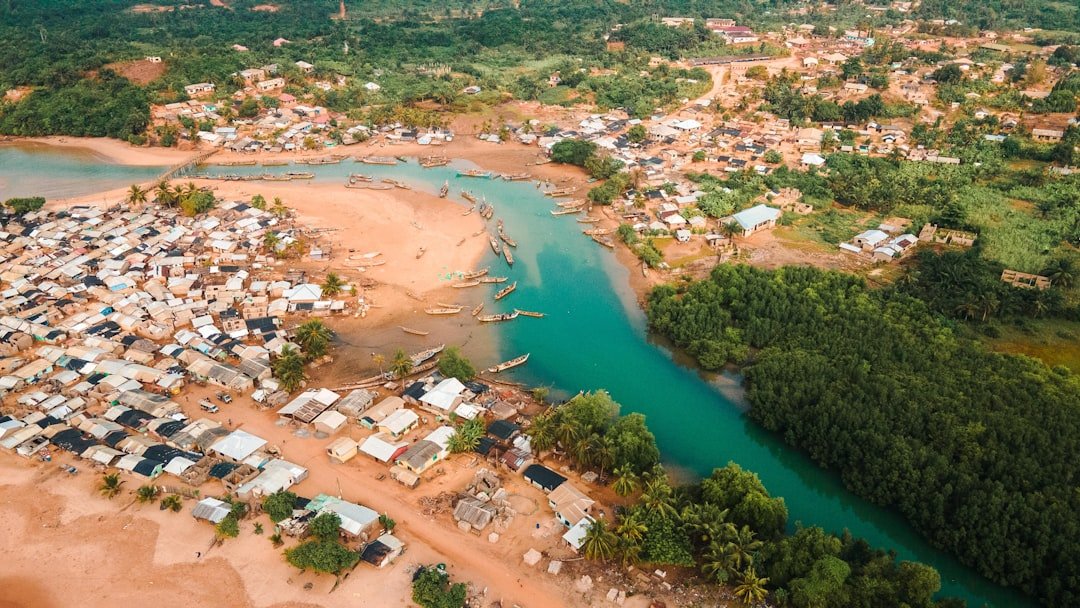
The flooding began late Tuesday after an unusually intense downpour dumped over 150 millimeters (6 inches) of rain in just six hours — more than a third of Accra’s average monthly rainfall for March. Drainage systems, clogged with plastic waste and silt, overflowed almost immediately. The worst-hit areas included Nima, Madina, and the sprawling informal settlement of Old Fadama, where homes built with mud bricks and corrugated iron simply dissolved in the deluge.
“I lost my aunt and two cousins,” said Kwame Adjei, a trader in Nima, his voice breaking. “The water came so fast. By the time we climbed onto the roof, they were gone.” Search-and-rescue teams have recovered 13 bodies so far, but officials say the number could rise as floodwaters recede and more debris is cleared. The Ghana National Fire Service reports rescuing over 200 people, many of them children and the elderly, from submerged buildings.
This isn’t Accra’s first deadly flood — far from it. In 2015, a similar disaster killed over 150 people after a gasoline station explosion ignited floodwaters. And in June 2021, 19 people died when a drainage canal collapse in the Ablekuma district sent a wall of water through homes. But the frequency is accelerating. Data from Ghana’s Meteorological Agency shows that extreme rainfall events in Accra have increased by 40% since 2000.
The Storm Forecast: More Misery on the Way
So the timing could not be worse. The Ghana Meteorological Agency has issued a red alert for another severe thunderstorm expected to hit the Greater Accra Region by Friday evening, with potential rainfall of up to 100 millimeters in a few hours. “We are asking everyone in flood-prone areas to move to higher ground immediately,” said Dr. Emma Darko, deputy director of the National Disaster Management Organization (NADMO). “Do not wait until you see the water rising. It will be too late.”
And the challenge? Many people simply have nowhere to go. Accra’s population has exploded to over 5 million, with thousands of families living in informal settlements on floodplains and along drainage channels. Evacuation centers are overcrowded, and COVID-19 precautions — such as social distancing — are a luxury no one can afford. “It’s a humanitarian crisis,” Darko admitted.
International weather models suggest this storm could stall over the city for up to 12 hours, raising the risk of flash floods and landslides in hilly areas like Kwabenya. Satellite imagery from the European Space Agency shows a band of deep convection — essentially, a conveyor belt of moist air from the Gulf of Guinea — feeding the system. This isn’t a fluke; it’s a pattern that climatologists link to warmer sea surface temperatures in the tropical Atlantic.
Meanwhile, thousands of miles away, the Florida Panhandle is bracing for its own storms, captured in a timelapse that shows nature’s fury in vivid detail. But for Accra, the threat is closer and more personal.
A History of Neglect: Why the Drains Don’t Work
“Accra’s drainage system was designed in the 1960s for a city of 500,000 people,” said Professor Kofi Agyeman, an urban planner at the Kwame Nkrumah University of Science and Technology. “It’s laughably inadequate today. We’ve paved over wetlands, blocked natural waterways, and built homes in flood zones. Then we act surprised when it rains.”
He’s not wrong. Rapid urbanization has turned Accra into a concrete sponge — but one that doesn’t absorb water. Deforestation in the hills north of the city has reduced the landscape’s ability to slow runoff. And garbage collection is so spotty that drains get clogged within hours of being cleaned. The result? Even a moderate rainstorm can cause flooding, and when a heavy one hits, it’s catastrophic.
The government has promised major drainage upgrades for years, including a $200 million World Bank-funded project announced in 2019. But only about 30% of the work is complete, according to NADMO. Bureaucratic delays, land disputes, and corruption have slowed everything to a crawl.
It’s a frustrating pattern — one that echoes disasters in other parts of the world. Just last month, soccer stars were rescuing families from earthquakes in Venezuela, a reminder that extreme weather isn’t the only threat; tectonic activity can amplify the risk when infrastructure is already fragile.
What This Means for You — and the Bigger Picture
If you live in Accra, the message is clear: relocate to high ground, stay indoors, and have an emergency kit ready. The storm is expected between 6 PM Friday and noon Saturday. Keep phones charged, avoid driving, and stay tuned to local radio or the NADMO Twitter feed for updates. If you’re abroad, check on relatives and send supplies if possible.
But the bigger picture is sobering. The Intergovernmental Panel on Climate Change (IPCC) has identified West African cities like Accra as “hotspots of climate risk” — places where rapid urbanization, poverty, and a changing climate collide. With each fraction of a degree of warming, the atmosphere can hold 7% more water vapor, intensifying rainstorms. And the storms are getting worse. The latest IPCC report warns that extreme rainfall across West Africa could increase by 20-30% by mid-century even under moderate emissions scenarios.
Dr. Mensah put it bluntly: “We see these floods in Accra, but they’re also happening in heatwaves blanketing 31 U.S. states and in cyclones lashing the Pacific. It’s all the same story: we’ve changed the climate, and now the climate is changing our lives.”
For now, Ghana waits. The storm is coming. And for thousands of families in low-lying districts, the only question is how much more they’ll lose this time.
Frequently Asked Questions
What should I do if I live in a flood-prone area of Accra?
Move to higher ground immediately — do not wait for floodwaters to rise. Pack essentials like water, food, medications, important documents, and a flashlight. Stay indoors during the storm and avoid walking or driving through any moving water. Follow NADMO’s instructions on local radio or social media.
Why does Accra flood so easily?
Accra’s drainage system was built in the 1960s for a much smaller population. Rapid urbanization, clogged drains, loss of wetlands, and homes built on floodplains all combine to make the city highly vulnerable. Plus, climate change is causing more intense and frequent rainstorms.
Could this storm be as bad as the one that killed 13 people?
It could be very similar, with forecast models predicting up to 100 millimeters of rain in a few hours. While it may not be as severe, the saturation of the ground from the previous flood means flash flooding could happen even with less rain. Authorities are taking no chances and have issued a red alert.