

I was scrolling through X, formerly Twitter, last Tuesday when a video stopped me cold. It wasn’t the typical shaky footage of ceiling fans swinging or pool water sloshing. It was a man in a yellow Venezuela national team jersey, sprinting through a cracked parking lot with a toddler under each arm. I recognized him instantly — it was Jhon Murillo, a midfielder who plays for Atlético San Luis in Mexico. But here he was, 2,000 miles from his club, carrying his nephews through the aftermath of a 6.2 magnitude earthquake that had just ripped through the state of Monagas.
That moment — a professional athlete becoming a frantic uncle — tells you everything you need to know about what happened in Venezuela last week. And it raises a question we don’t ask enough: When the ground stops shaking, who’s actually prepared?
The Tremors That Refused to Stop
The first quake hit at 3:47 PM local time on April 14, centered about 8 miles east of Maturín, the capital of Monagas state. The U.S. Geological Survey (USGS) pegged it at 6.2 magnitude, with a depth of just 6.2 miles. Shallow quakes like this — they’re the ones that wreck buildings. Within 48 hours, a 5.2 aftershock rolled through, followed by a 4.7. Then another. And another. By Saturday, the USGS had recorded 17 events above magnitude 3.0 in the same region.
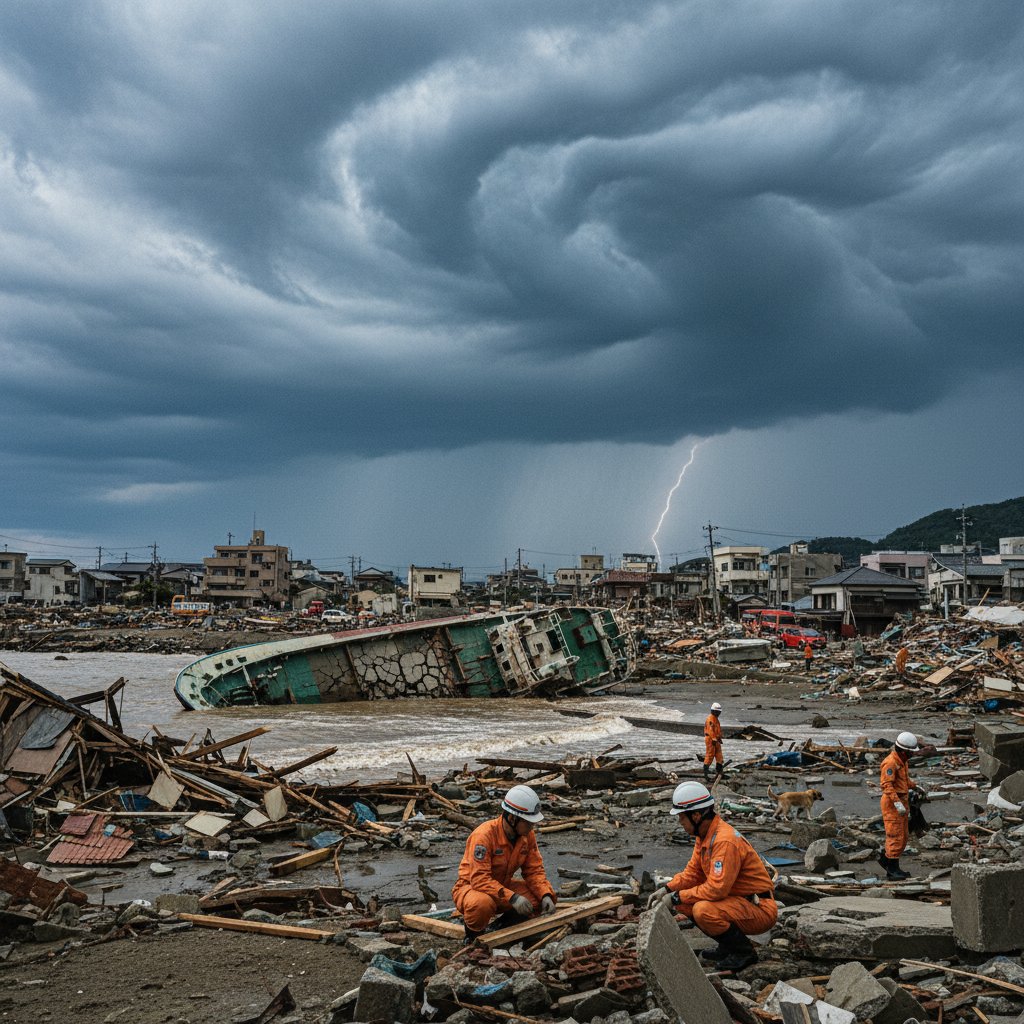
Look, Venezuela isn’t new to seismic activity. It sits along the boundary between the Caribbean and South American tectonic plates. But these quakes hit hard because of where they struck: Maturín and the surrounding towns are home to hundreds of thousands of people, many living in older concrete buildings built before modern codes were enforced. At least four people died — one from a collapsed wall, three from heart attacks. Another 47 were injured. Hundreds of homes sustained structural damage.
But the story that ricocheted across social media? It wasn’t the figures. It was Murillo’s rescue.
A Hero’s Homecoming No One Wanted
Murillo was visiting family in his hometown of Maturín. He’d just been called up to the national team for World Cup qualifiers later this month. Then the floor buckled.
Video footage shows him running into a house that had visibly shifted off its foundation. He emerges moments later with two young children — his sister’s kids, as he later explained in a brief Instagram live — followed by his elderly mother. “I just reacted,” he said, breathing hard into the camera. “You don’t think. You just move.”
It’s a powerful image, yes. But it also underscores something uncomfortable: If a trained athlete acting on instinct can outrun a collapsing building, what chance does a 70-year-old grandmother or a person with a disability have? The reality is, during extreme weather events — and earthquakes are arguably the most sudden — the gap between those who can react and those who can’t becomes a matter of life or death.
Murillo’s story went viral not because he’s special, but because he’s human. He was scared, and he did what any father or uncle would do. But his platform amplified something emergency managers have been screaming for years: Preparedness isn’t a government handout away. It’s personal.
Venezuela’s Seismic Reality Check
Here’s the thing — Venezuela hasn’t had a major earthquake near a population center since the 1997 Cariaco quake, a 6.9 that killed 73 people. That’s a generation of people who’ve never felt anything worse than a rumbler. And in that time, the country’s infrastructure has crumbled. Blackouts are routine. Fuel is scarce. Hospitals operate with minimal supplies. A functioning early warning system? Forget about it.
“Venezuela has the technical knowledge to monitor seismic activity, but the equipment is outdated and not well maintained,” says Dr. María Fernanda Zambrano, a seismologist at the Universidad Central de Venezuela. “The last time the national seismic network was fully upgraded was 2005. Since then, we’ve lost at least 30% of our monitoring stations due to lack of funding and theft of equipment.”
What happens when the next big one hits — a magnitude 7 or higher — and communication systems fail? AP News reported on Venezuela’s persistent blackout crisis, noting that the power grid is so fragile it can collapse from a simple storm. A major earthquake would likely knock out power for days or weeks in affected zones. How do you coordinate rescue efforts when you can’t send a text?
That’s the nightmare scenario. And it’s why Murillo’s story — while heartwarming — also needs to be a wake-up call.
What This Means for You (Even If You Don’t Live in Venezuela)
I know what you’re thinking: I live in Ohio. I’m fine. And statistically, sure — your risk of a magnitude 6 quake is lower than in California or Alaska. But the USGS warns that induced earthquakes from fracking and wastewater injection have made states like Oklahoma, Texas, and Kansas more seismically active in the past decade. A 4.5 quake near Oklahoma City last month shook buildings. No one died, but it was a reminder: The ground can move anywhere.
And look at the heatwave that’s already blanketing the U.S. right now — 31 states under extreme heat alerts, with heat indices hitting 115°F. Multiply that by a power outage after an earthquake, and you’ve got a disaster within a disaster. Same principle applies: Infrastructure matters. Preparation matters. Connections matter.
So here’s what I’d ask you to do after reading this. Not a lecture — just a nudge. Check your emergency kit. Stash some bottled water. Make a plan with your family about where to meet if your house splits. Talk to your neighbors, especially the elderly ones. Because if a soccer star can become a rescuer in a split second, so can you.
Murillo is back in Mexico now, training with his club. But before he left Venezuela, he posted a photo of himself with the two boys he carried out. They’re smiling, eating ice cream. It’s a happy ending. For them. But the next earthquake in Venezuela — or anywhere — won’t wait for a hero to be on vacation. The ground will just shake. And what happens next depends on what we did before.
Frequently Asked Questions
How common are earthquakes in Venezuela?
Venezuela experiences moderate seismic activity due to its location along the Caribbean-South American plate boundary. The USGS records roughly 5-10 magnitude 4.0+ quakes per year in the region. Major destructive quakes (6.5+) occur roughly every 10-20 years, with the 1997 Cariaco earthquake (magnitude 6.9) being the last one to cause significant casualties.
What should I do if I’m in an earthquake while visiting Venezuela or another high-risk area?
Drop, Cover, and Hold On. Get under a sturdy desk or table, cover your head and neck, and stay there until shaking stops. Avoid doorways unless they’re load-bearing — modern guidelines say they’re no safer than other spots. If you’re outside, move away from buildings, streetlights, and utility wires. Have a pre-agreed meeting point with your travel companions and keep a basic emergency kit with water, snacks, and a flashlight.
Can athletes like Jhon Murillo really make a difference in disaster response?
Yes, but primarily as role models and communicators. Professional athletes have massive social media reach and can spread emergency information faster than official channels in some cases. In Venezuela, Murillo’s video prompted local authorities to release clearer safety guidelines within hours. However, disaster response should always be left to trained professionals — the real value is in raising awareness and encouraging preparedness among fans.