






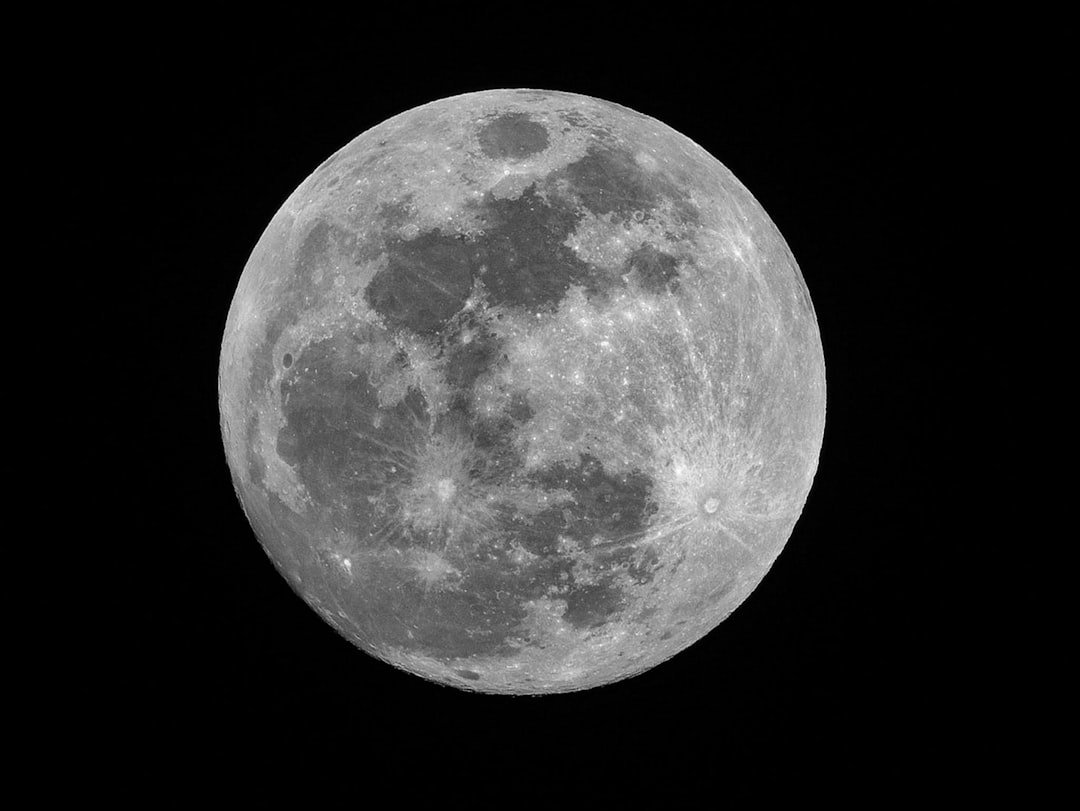
Nobody is talking about this — but while the UK was bathed in the warm amber glow of the Full Strawberry Moon last night, a far less poetic heat was building thousands of miles away. The first full moon of astronomical summer rose over Stonehenge, the Lake District, and the London skyline, drawing skygazers out with their cameras. And the photos are, frankly, stunning. But here’s the thing: this same lunar cycle that brought celestial beauty to Britain is also aligning with a pattern of extreme heat that’s already cooking the United States.
Let’s be clear. The moon didn’t cause the heatwave. But the timing — the solstice, the Strawberry Moon, the relentless sun — feels like a cosmic exclamation point on a summer that’s shaping up to be brutal.
The Summer Solstice’s Celestial Companion
The Strawberry Moon peaked at 2:08 a.m. British Summer Time on June 22, just one day after the summer solstice. That’s no coincidence. The full moon closest to the solstice always rides low in the sky for northern observers, creating a phenomenon called the “moon illusion” — it looks bigger and more orange than usual. This year, a thin veil of high cloud added a soft halo effect, and photographers from Cornwall to Edinburgh went wild.
“I’ve never seen the moon rise so slowly, tinted like a ripe peach,” said James Whitaker, a landscape photographer from Somerset. “I set up near Glastonbury Tor, and for about 12 minutes, the whole landscape was lit in this surreal, golden light. You could see individual stones in the field.”
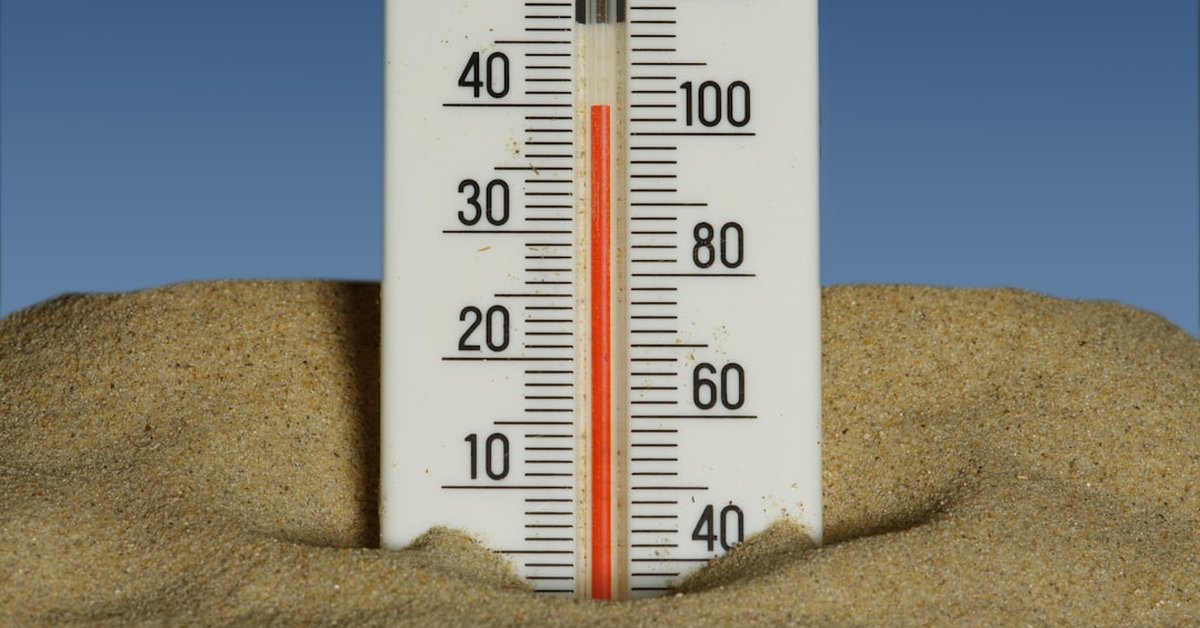
But that otherworldly glow masks a more earthly problem. While the UK enjoyed a balmy evening in the mid-20s Celsius, much of the United States is already under extreme heat alerts blanketing 31 states, with heat indices hitting 115°F in some places. The Strawberry Moon rose over a continent already panting.
Capturing the Magic: Photo Gallery from the UK
Social media lit up with images of the moon above Big Ben, the white cliffs of Dover, and the Scottish Highlands. One shot — taken by amateur astronomer Priya Mehta from her garden in Leeds — showed the moon balanced perfectly on a telegraph pole. “I used my phone, just held it steady against the window frame,” she said. “I couldn’t believe it came out so clear.”
The UK’s Met Office reported mostly clear skies across central and southern England, with patchy clouds in the north. Perfect conditions, really. Even urban areas like Manchester and Birmingham got a show — though light pollution muted the fainter stars. Still, the moon itself was impossible to miss.
Photographers noted that the moon’s low arc meant it passed behind chimneys, church spires, and bridges, making for dramatic compositions. In York, a local news photographer captured the moon rising directly behind York Minster, a trick of perspective that made the cathedral look like a small ornament against a giant orange ball.
There’s science behind that size impression. “When the moon is near the horizon, your brain compares it to familiar objects like trees and buildings,” explained Dr. Helen Carter, an astronomer at the University of Cambridge. “It looks huge, but it’s an optical illusion. The actual angular size hasn’t changed.”
Still, it’s a powerful reminder that our perception of nature is always filtered through psychology. And maybe that’s the real story: we need these moments of wonder, especially when the news is full of summer’s silent crisis — why heat waves are deadlier than you think.
What the Strawberry Moon Means for the Weather Ahead
Now, let’s be real: the Strawberry Moon didn’t cause any of the heat waves. But folklore and modern meteorology have a tangled history. Some farmers still swear that a full moon near the solstice signals a hotter, drier summer ahead. Is there any truth to that?
“Not really,” said Mark Sullivan, a senior meteorologist at the UK’s Weather Watch Centre. “The moon’s phase has no measurable effect on seasonal temperature patterns. That said, around the solstice, the northern hemisphere is tilted toward the sun at maximum intensity. A full moon just coincides with that. The heat is coming from solar radiation, not lunar gravity.”
Still, the human brain craves patterns. And this June has felt unseasonably warm across much of the UK, with temperatures in London hitting 30°C (86°F) on the solstice itself. While that’s not a heatwave by American standards, it’s enough to make Brits break out the fans.
Across the Atlantic, the story is more dire. A heatwave bakes central and eastern US, with millions under alerts. The Strawberry Moon rose over a country that’s already had more heat-related emergency room visits than at this point in any of the last five years. In Phoenix, the moon was barely visible through the haze of a heat dome.
And that’s the disconnect. While the UK’s skygazers posted their dreamy photos, people in New York City were bracing for 100°F+ temps expected next week — NYC braces for dangerous heatwave. The same sun that lit the moon is also scorching the earth.
A Global Summer of Extremes
This isn’t just a full moon story. It’s a story about contrast — between beauty and danger, between the UK’s mild evening and the US Southwest’s inferno. The Strawberry Moon is a calendar marker, not a weather predictor. But it serves as a reminder that summer has just begun, and the worst may still be ahead.
Dr. Carter from Cambridge put it bluntly: “We’re going to see more extreme events, more clear nights for moon watching, but also more dangerous heat. The two aren’t unrelated — both are tied to the changing climate. A warmer atmosphere holds more moisture and also more energy for storms and heatwaves.”
So enjoy the photos. Share them. But also keep an eye on the forecast. Because while the Strawberry Moon may be full, the real heat is still building. And nobody is talking about that enough.
Frequently Asked Questions
Why is it called the Strawberry Moon?
The name comes from Native American Algonquin tribes, who used it to mark the short strawberry harvesting season in June. It’s not named for the moon’s color — though it can appear reddish due to low altitude and atmospheric dust.
When is the next full moon?
The next full moon, known as the Buck Moon, will peak on July 21, 2024. It will be the second full moon of summer, and it will rise even lower in the sky than the Strawberry Moon for observers in the northern hemisphere.
Does the full moon affect weather or human behavior?
No credible scientific evidence links the full moon to significant changes in weather patterns. However, some studies suggest a minor effect on tides and certain animal behaviors. The idea that more births, police calls, or mental health crises occur during a full moon is widely considered a myth — though the myth persists.