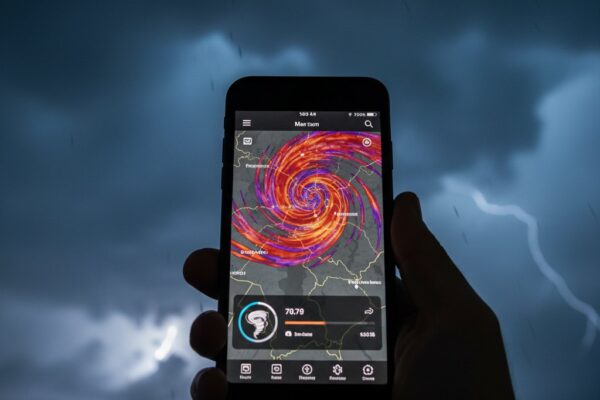
Spot the Storm Tracker: Identifying Radar Apps Beyond RadarOmega
Can’t identify a storm tracker that isn’t RadarOmega? Learn how to spot popular alternatives like RadarScope, MyRadar, and Storm Radar using UI clues and data sources.

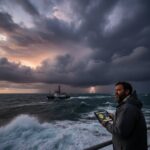
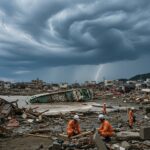

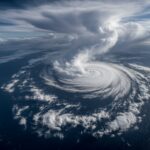
Can’t identify a storm tracker that isn’t RadarOmega? Learn how to spot popular alternatives like RadarScope, MyRadar, and Storm Radar using UI clues and data sources.

Brooklyn approved a towering waterfront apartment complex over a flood-protection park. Climate experts warn it’s a losing bet against sea-level rise, but the housing crisis left no easy choice.
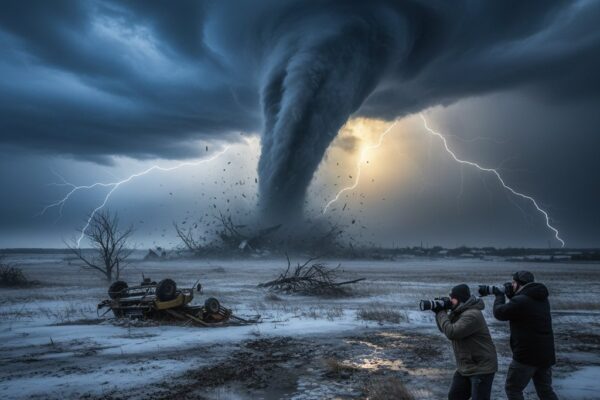
Discover why winter and late-season tornado outbreaks captivate meteorologists and storm chasers more than typical spring storms, with unique dynamics and higher human impact.
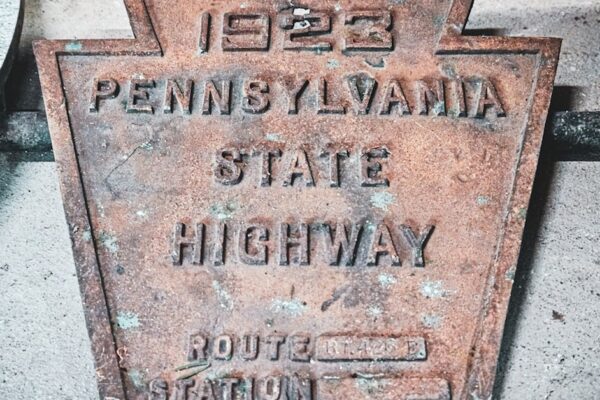
Pennsylvania issues Code Orange air quality alert as Canadian wildfire smoke chokes the region. Unseasonable winter fires drive PM2.5 levels to unhealthy highs.
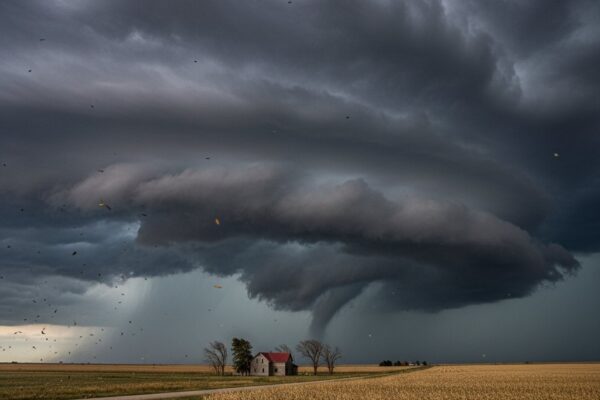
Supercell storm clouds over Lorenzo, Nebraska pose tornado and hail risk. Analysis of atmospheric conditions, historical context, and safety guidance for residents.
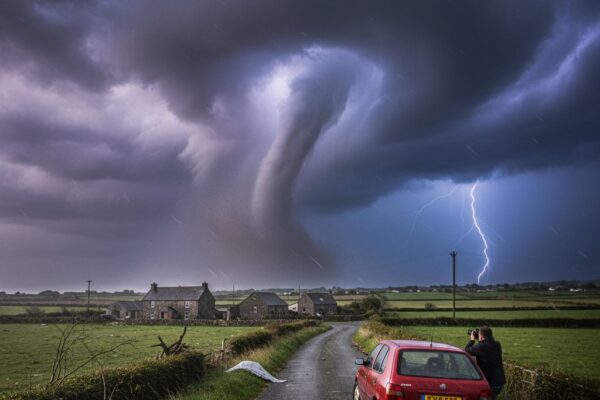
A rare EF1 tornado struck Athenry, Ireland, on Dec 9, damaging dozens of homes. Experts link increasing severe weather to climate change. What this means for Europe.
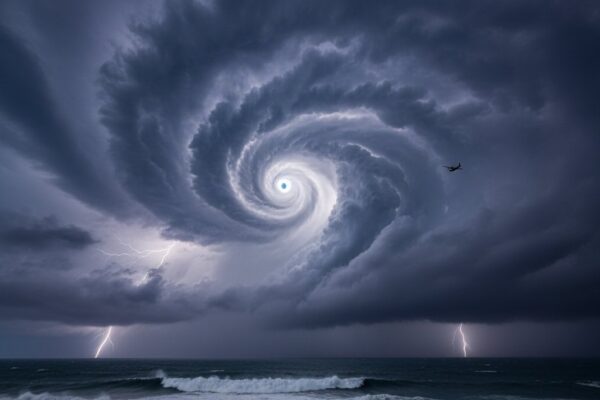
Hurricane Boris (02E) intensifies off Mexico’s Pacific coast, bringing 75 mph winds, 12-inch rainfall, and dangerous storm surge. Residents and travelers urged to prepare.
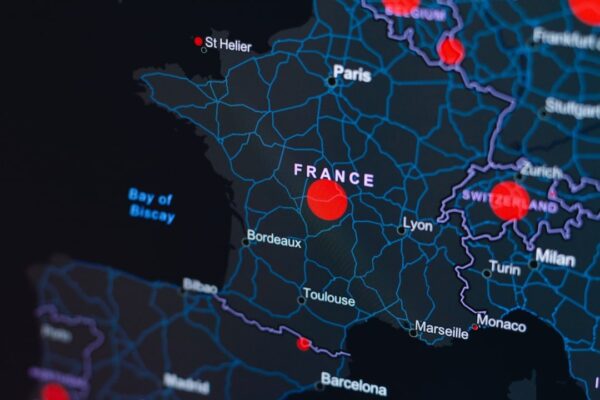
France’s Santé Publique France reports over 1,000 excess deaths during the July heat wave. Record temps hit 42.3°C. Officials warn of more to come in 2025.
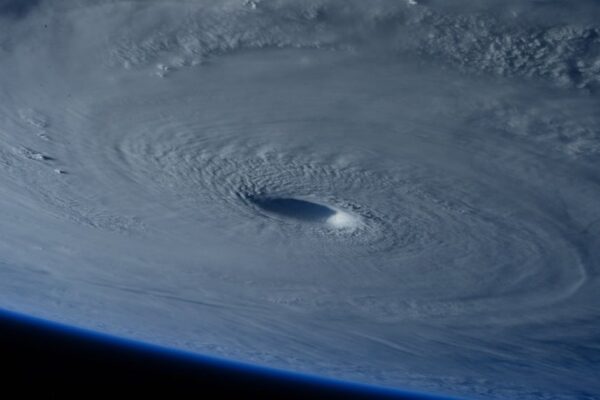
Super Typhoon Bavi slams US Pacific island of Rota with 290 km/h sustained winds and 350 km/h gusts. Catastrophic damage expected, evacuations underway.
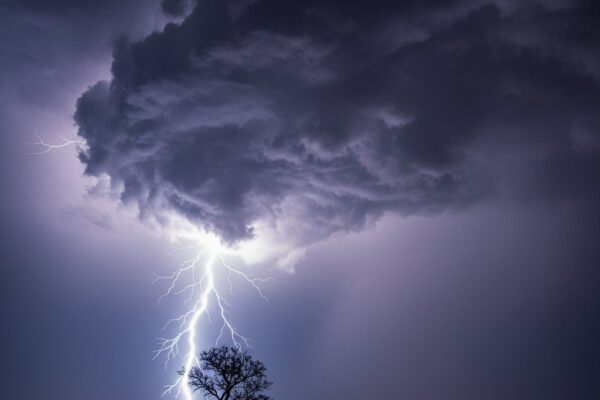
How cumulonimbus clouds generate lightning, the science behind strikes, and what climate change means for lightning frequency. Expert analysis and safety tips.
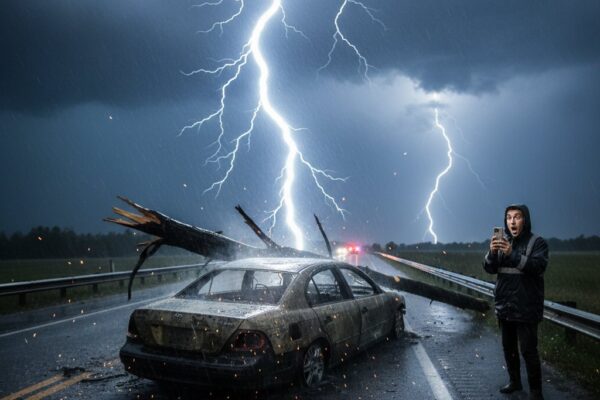
A driver shares his harrowing experience of a lightning strike on his car. Learn the science, safety tips, and what to do if it happens to you.
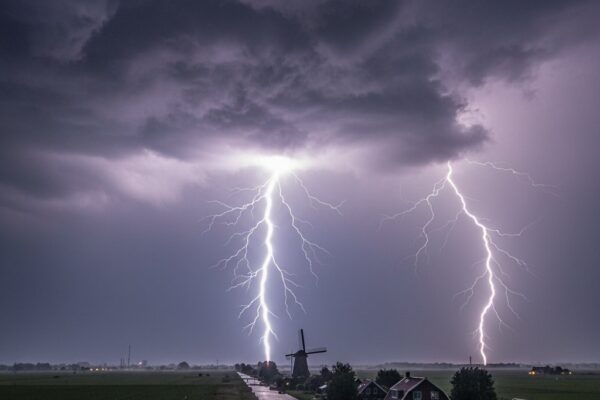
Over 100,000 lightning strikes hit the Netherlands in 6 hours on June 28, 2026, causing fires, power outages, and a spike in epileptic seizures. Meteorologists warn of a new pattern.