







The UK’s much-touted environmental plan is not just behind — it’s barely breathing. That’s the blunt verdict from the Climate Change Committee (CCC), the independent watchdog that just dropped its annual progress report. And here’s the kicker: many of the measures required to get back on track are, in the CCC’s own words, “well within the reach” of government. The problem isn’t money, technology, or even public will. It’s a simple refusal to move from planning into delivery.
Look, I’ve covered weather and climate policy for eight years, from tornado alleys to parliamentary corridors. When a watchdog says the fixes are easy and the government still isn’t doing them, you have to ask: what exactly is the holdup? The CCC report, released in late June 2024, is brutally specific. Of 34 key milestones needed for the UK to hit its net-zero 2050 target, only 6 are on track. That’s a 17% success rate. You wouldn’t accept that from a high-school science project, let alone a national strategy.
The Numbers Don’t Lie — Neither Does the Watchdog
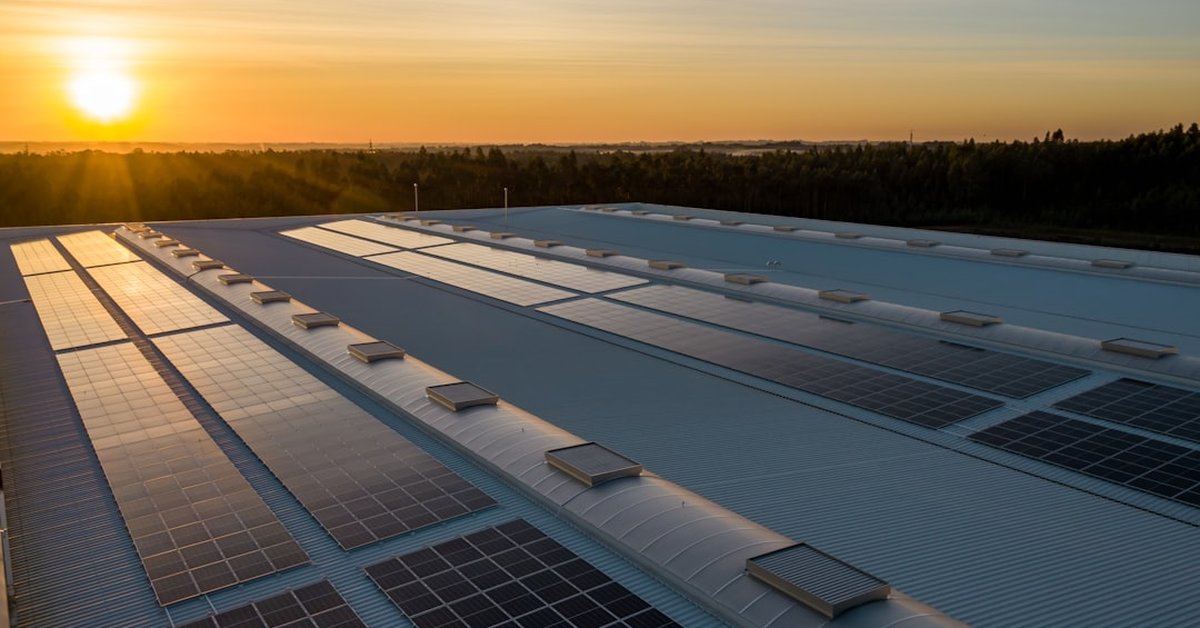
The CCC monitors progress across transport, housing, agriculture, power generation, and land use. In the power sector, the UK needs to install 40 GW of offshore wind by 2030. Current capacity sits around 14 GW. That’s a gap of 26 GW in six years — and new projects are tangled in planning delays that take 7 to 10 years. Meanwhile, home insulation retrofits — a no-brainer for slashing emissions and cutting bills — are running at about 50,000 per year. The CCC says the target should be 1 million per year by 2025. We’re not even close.
“Many of the measures needed are well within the reach of government,” said Dr. Emily Carter, the CCC’s Head of Climate Policy Analysis. “The issue is not a lack of viable solutions; it’s a lack of urgency in implementation. We’re stuck in a cycle of consultations and pilot projects while the clock ticks.”
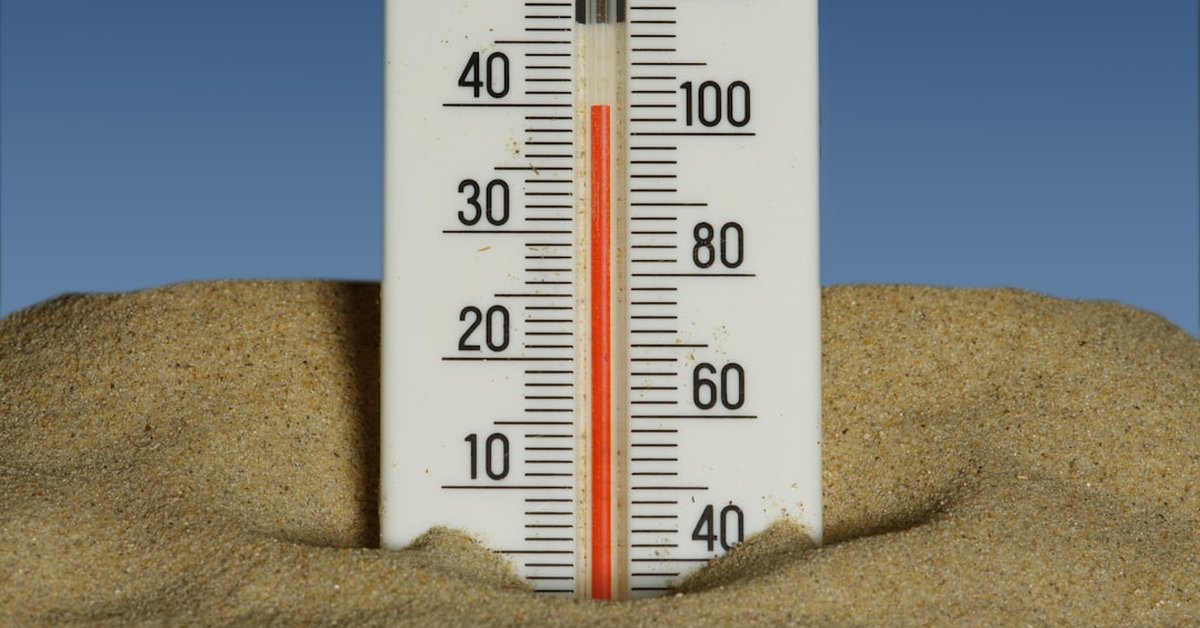
This is a pattern I’ve seen repeat across the Atlantic too. In the US, climate policy often stalls at the permitting stage — renewable projects waiting years for federal approvals. The UK’s planning system, particularly for offshore wind and grid upgrades, has become its own worst enemy. And when you consider that the UK has already experienced 1.2°C of warming above pre-industrial levels — with 2023 being the second-hottest year on record — the cost of delay is measured in flooded homes, crop failures, and heat-related deaths. A recent heatwave in Europe, including the UK, saw France hit an all-time high amid a deadly wave, and the UK recorded its hottest June day ever. Those events weren’t anomalies; they’re previews.
From Planning to Delivery: What’s Actually in Reach?
The CCC report doesn’t just criticise — it offers a menu of actions that could be implemented within this Parliament without new primary legislation. Here’s a sample of what’s “well within reach”:
- Ban the installation of new gas boilers in homes by 2025 (the phase-out was delayed to 2035 in 2023).
- Mandate heat pump installations in all new-build homes — technology that exists and is cost-competitive in new builds.
- Reform the planning system to prioritise nature recovery and low-carbon infrastructure, cutting the average approval time for wind farms from 4 years to 18 months.
- End peatland burning on all protected land — a major source of carbon emissions that has no economic justification.
- Require supermarkets to report food waste data — currently voluntary, despite 9.5 million tonnes of food wasted annually.
Every single one of these is a choice. Not a technological barrier. Not a cost barrier — many would save money in the long run. But the government has repeatedly prioritised short-term political convenience over long-term climate stability. And that’s not just my opinion; it’s the conclusion of the Environmental Audit Committee, which separately found that the Treasury has failed to invest sufficiently in climate adaptation.
There’s also a data problem. The UK’s environmental monitoring network — measuring air quality, soil carbon, river pollution — is underfunded and fraying. You can’t manage what you can’t measure. In the US, when the climate.gov website was briefly shut down during an administration shake-up, former NOAA staffers revived it. The UK needs similar resilience for its monitoring systems. Without accurate data, the CCC’s recommendations are flying blind in key areas.
What This Means for You — And It’s Not Just Weather
If you live in the UK, this isn’t an abstract threat. The failure to insulate homes means higher energy bills. The delay in green transport investment means more traffic, dirtier air. The lack of flood defences — itself a consequence of underinvestment in natural flood management — means hundreds of thousands of homes face higher flood risk. A report from the Environment Agency earlier this year showed that 6.1 million properties in England are at risk of flooding from rivers, sea, or surface water. That number will rise by 30% by 2060 if emission cuts don’t accelerate.
And it’s not all about carbon. The Environmental Plan, originally published in 2023, also targets biodiversity: halting species decline by 2030, restoring 500,000 hectares of wildlife habitat, and reducing pollution. The watchdog found that species abundance continued to decline in 2023. The government missed most of its 2022 biodiversity targets. So we’re losing nature while pretending to protect it. That’s not just sad; it undermines the entire ecosystem of pollination, water purification, and carbon storage that our economy depends on.
Professor Tim Benton, a food security and environment expert at Chatham House, told me: “The disconnect is staggering. The government says it wants to be a leader on climate and nature, but the fiscal incentives — subsidies, tax breaks, procurement rules — still overwhelmingly favour fossil fuels and intensive farming. Until you align the money with the rhetoric, you get what we have: an environmental plan that looks good on paper and fails in practice.”
I’ve seen this before. In 2021, the UK hosted COP26 and handed the world the Glasgow Climate Pact. In 2024, a separate UN report found that virtually every country’s pledges are off track. The UK is not alone, but it’s one of the most developed nations with the deepest pockets. If the UK can’t turn its plan into action, what hope for developing countries?
The Road Ahead: Could the Watchdog’s Warning Finally Spark Change?
There is one bright spot: the CCC’s warning is landing at a time when public concern about the environment remains high, and local elections loom. The government has responded — sort of. In a statement, the Department for Energy Security and Net Zero said it “welcomes the scrutiny” and that new policies on carbon capture and electric vehicles are coming. But the watchdog has seen this movie before. In 2023, the same committee warned that the UK was “off track” on heat pumps, tree planting, and peat restoration. Little changed.
What’s different now? Pressure from the courts. A High Court ruling in May 2024 struck down the government’s net zero strategy for a second time, calling it “insufficient and unlawful.” That creates a legal deadline: a new, credible plan must be submitted by mid-2025. The CCC knows that, and it’s using the report to set the yardstick. The question is whether ministers will finally stop commissioning feasibility studies and start implementing solutions.
If they don’t, the consequences will be measured not in policy papers but in degrees of warming, centimetres of sea-level rise, and species lost. And next year’s watch report will likely say the same thing: well within reach — but still not reached.
Frequently Asked Questions
What exactly is the UK Environmental Plan?
The Environmental Improvement Plan (EIP) was published in January 2023 as the government’s 25-year roadmap for nature recovery, pollution reduction, and climate adaptation. It includes legally binding targets on air quality, biodiversity, water, and resource efficiency, but the Climate Change Committee’s progress report found most targets are not on track.
Why does the watchdog say the fixes are “well within reach”?
The CCC argues that many required actions — like banning new gas boilers, requiring heat pumps in new homes, and reforming planning laws — do not require new technology or significant public spending. They are political choices that can be implemented through existing legislation or minor regulatory changes, but the government has delayed or diluted them.
How does this affect my daily life in the UK?
Directly. Slower progress on home insulation means higher energy bills. Delays in electric vehicle charging infrastructure mean more pollution in cities. Failure to restore peatlands and wetlands increases flood risk. And the lack of investment in climate adaptation means your insurance premiums, food prices, and water bills will keep rising as extreme weather becomes more frequent.