






After months of El Niño’s fiery grip, the Pacific Ocean is showing unmistakable signs of a rapid transition to La Niña. Climate models now forecast a 65% chance that La Niña conditions will emerge by July 2026, potentially reshaping global weather patterns from the Atlantic hurricane season to winter snowfall in North America.
This isn’t just a routine flip of the ENSO switch. The speed of the shift has caught many experts off guard. In January, sea surface temperatures in the Niño 3.4 region were still 1.2°C above average, firmly in El Niño territory. By early May, that anomaly has plummeted to just 0.3°C above normal. If this trend continues, La Niña could be fully established within weeks.
“What we’re seeing is an exceptionally fast decline from El Niño,” says Dr. Emily Hartfield, a climate scientist at the University of Miami. “The ocean-atmosphere system is snapping back with an intensity that historically has led to strong La Niña events.”
What La Niña Means for the 2026 Atlantic Hurricane Season
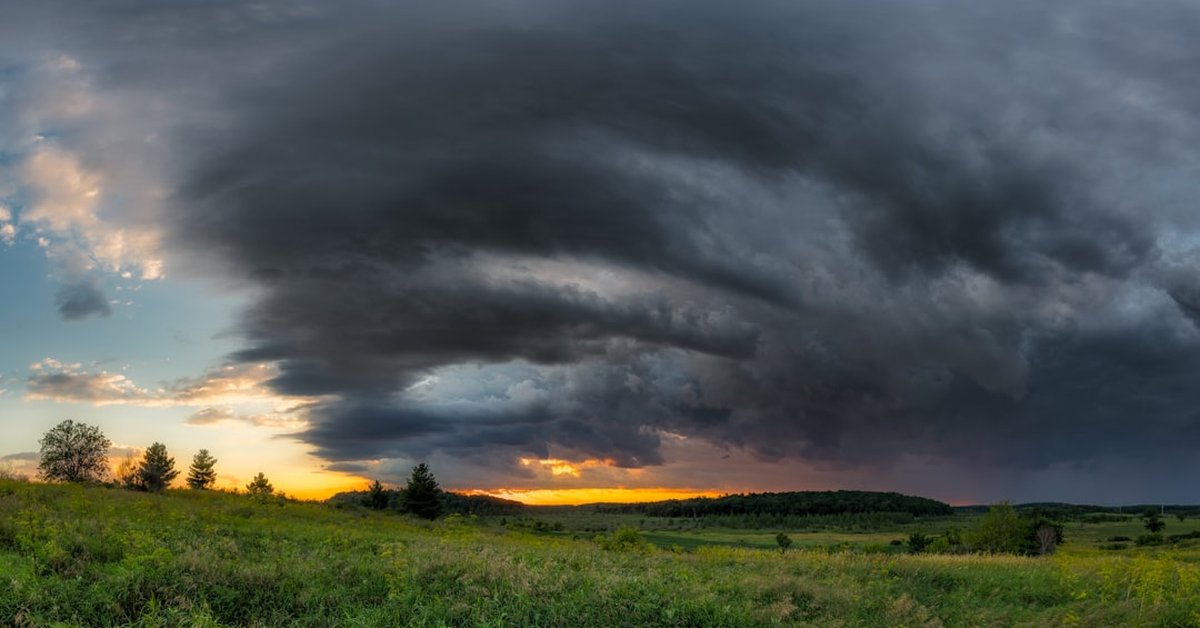
La Niña is infamous for supercharging Atlantic hurricane activity. By reducing wind shear over the tropical Atlantic, it allows storms to form and intensify more easily. The 2020 and 2021 seasons, both under La Niña, produced 30 and 21 named storms respectively, exhausting the standard naming list.
For the 2026 season, which officially starts June 1, the implications are sobering. The National Oceanic and Atmospheric Administration (NOAA) is already warning that above-average sea surface temperatures in the Atlantic main development region—currently 0.8°C above the 30-year average—could combine with La Niña to create a volatile cocktail.
“La Niña typically shifts the jet stream, allowing storms to track closer to the U.S. East Coast and Gulf states,” explains Dr. Marcus Chen, a hurricane researcher at Colorado State University. “When you layer that on top of record-warm ocean heat content, the potential for major hurricane landfalls increases significantly.”
Residents from Florida to Maine should take note. The last time a rapid El Niño-to-La Niña transition occurred was in 2010, a year that saw 19 named storms including Hurricane Earl, which brushed the Outer Banks, and Hurricane Karl, which struck Mexico’s Yucatán Peninsula. That season also produced the rare Hurricane Alex, which made landfall in northeastern Mexico with sustained winds of 110 mph.
Global Ripple Effects: Droughts, Floods, and Winter Forecasts
La Niña’s influence extends far beyond the Atlantic. Its hallmark is a cooling of the central and eastern tropical Pacific, which alters atmospheric circulation patterns worldwide. The typical impacts include increased rainfall over Indonesia, northern Australia, and the Amazon, while the southwestern United States, the Horn of Africa, and parts of South America often face drier conditions.
For California, which emerged from a severe drought only two years ago, La Niña raises the specter of another dry winter. The 2022-2023 period, despite being a triple-dip La Niña, brought only modest precipitation to the state, leaving reservoirs below average. Climate models suggest the upcoming winter could see a similar pattern, with the jet stream favoring the Pacific Northwest while leaving Southern California parched.
“La Niña winters in California are a coin flip,” says Dr. Hartfield. “But the trend over the last decade is that even when we get rain, it comes in short, intense bursts, which increases flood risk but doesn’t do much for long-term water storage.”
Meanwhile, the northern plains and Upper Midwest could brace for a colder, snowier winter. The 2021 La Niña winter delivered the infamous February 2021 Texas freeze, caused by a polar vortex disruption that climate scientists believe was connected to the ENSO state. While a direct causal link remains debated, the pattern of a weakened polar vortex under La Niña conditions is well documented.
“The speed of this transition is concerning because it leaves less time for communities to adjust,” warns Dr. Chen. “If you’re in a hurricane-prone area, now is the time to review your preparedness plans, not in August.”
Historical Context: The 2026 Transition in Perspective
To understand the significance of this May 2026 update, it helps to look back at similar rapid transitions. The 2009-2010 event saw El Niño peak in December 2009, then collapse to La Niña by July 2010. That year, the Atlantic churned out 19 named storms, including the devastating Hurricane Tomas, which killed 44 people in the Caribbean.
Even more stark is the 1997-1998 super El Niño, which was the strongest on record at the time. It flipped to a moderate La Niña by June 1998. The 1998 Atlantic season produced 14 named storms including Hurricane Mitch, the second deadliest Atlantic hurricane on record, which killed over 11,000 people in Central America.
What’s different in 2026 is the background climate. Global ocean heat content is at record levels. The Atlantic’s main development region is warmer than it was in 1998 or 2010. This extra heat provides more fuel for storms, potentially making even a moderate La Niña behave like a strong one.
“We’re in uncharted territory,” says Dr. Hartfield. “The baseline has shifted. A La Niña that would have been routine in the 1980s now has the potential to produce extreme weather events because of climate change.”
What You Can Do Now
For readers in hurricane-prone areas, the message is clear: prepare early. NOAA recommends reviewing insurance policies, checking emergency supply kits, and making sure your home’s roof, windows, and doors are up to code. The time to act is before a hurricane warning is issued, not after.
In the western U.S., water conservation should remain a priority even if rains are expected. And for those in the Upper Midwest, a La Niña winter could mean higher heating bills and more snow removal costs. Budget accordingly.
“ENSO transitions are natural, but their impacts are magnified by the changing climate,” concludes Dr. Chen. “The best forecast we have is for a dynamic and potentially dangerous year ahead. Stay informed, stay prepared, and don’t wait for the headlines to get your attention.”
As the Pacific Ocean shifts, the world watches. The May 2026 ENSO update is more than a footnote—it’s a warning shot for the months to come.