







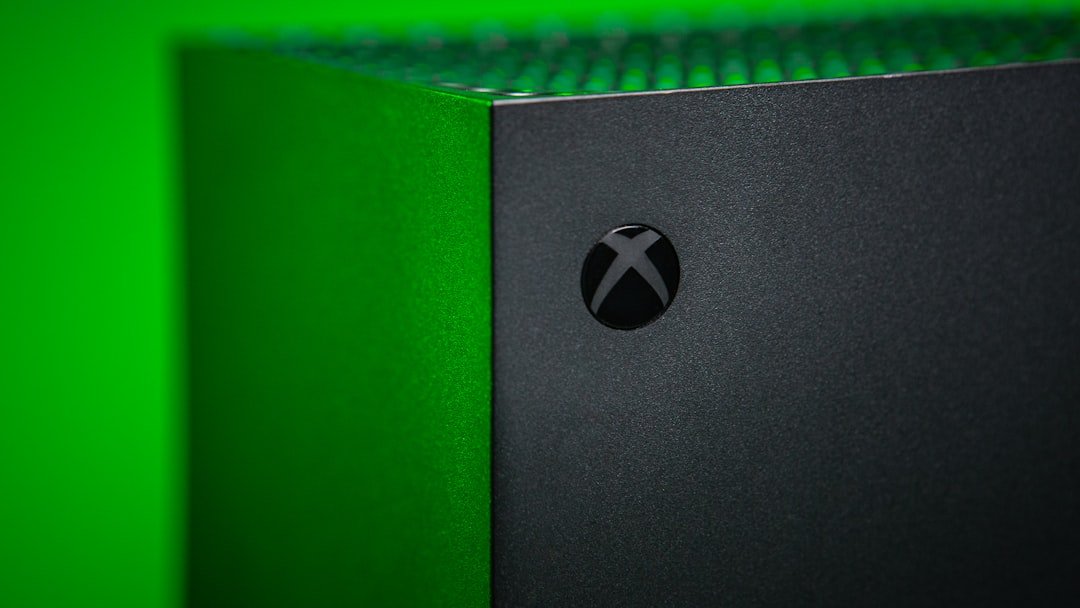
And just like that, the ground shifted under thousands of Xbox employees. Microsoft announced a sweeping set of layoffs this week, cutting roughly 1,900 jobs across its gaming division—a gut punch that represents about 8% of the entire gaming workforce at the company. It’s the latest tremor in an industry that seems to be shaking apart at the seams. But for the people inside those studios, it’s not a headline. It’s rent. It’s tuition. It’s insurance running out in 60 days.
Look, we’ve seen this before. PlayStation, EA, Riot—they’ve all swung the axe in recent months. But Microsoft’s move feels different. Because it comes on the heels of the Activision Blizzard merger, a $69 billion deal that was supposed to signal growth, not contraction. Instead, teams working on titles like Call of Duty, Diablo, and even parts of the Xbox hardware unit are being trimmed. The majority of cuts hit Activision Blizzard staff, but Xbox itself and ZeniMedia (parent of Bethesda) also took hits. For many, the timing couldn’t be worse—right after the holiday lull, when companies usually promise fresh starts.
A Storm Brewed in Silence
The layoffs didn’t come without warning signs. Microsoft had already let go of hundreds in 2023, but this round feels more like a tsunami than a ripple. Employees at studios like Sledgehammer Games, Infinity Ward, and Blizzard Entertainment described a sudden morning email—no meeting, no call. Just a generic subject line: “Notification of Role Elimination.” One senior producer, who asked to remain anonymous because she fears retaliation, told me: “I had just approved a new animation pipeline. Then I was locked out of Slack.”
It’s a pattern we’ve seen across tech. But in gaming, the emotional attachment runs deeper. Artists, designers, and testers often sacrifice higher pay for the chance to build worlds. When that world collapses, it’s personal. And this isn’t a small indie studio—it’s Microsoft, a company worth $3 trillion. They’ve got the cash. So why now? According to Sarah Jenkins, a labor economist at the University of Washington, the answer is simple: “Post-merger integration always involves trimming overlapping roles. But also—and this is the uncomfortable part—the industry is realizing that growth isn’t infinite. After years of pandemic-fueled expansion, we’re in a correction.”
The Human Cost Behind the Spreadsheet
Let’s talk about something you don’t see in the press releases: what happens to the people left behind. I spoke with Jake Teller, a former narrative designer who was let go from Blizzard in the previous round. He’s been freelancing for eight months. “The fear is that this isn’t just a layoff—it’s a signal. If you survive this cut, you’re wondering if the next one’s coming in six months. Morale is in the gutter.” Teller’s right. Even those who kept their jobs describe an atmosphere of dread. Internal chat channels have gone silent. Team meetings end early. The trust that took years to build evaporates in one email blast.
And the numbers? They’re ugly. The 1,900 figure doesn’t include contractors, who often get zero severance. Many of those workers were already dealing with housing insecurity in cities like Irvine, California, and Redmond, Washington, where the cost of living has skyrocketed. Microsoft did offer severance packages: reportedly six months of pay for departing employees, plus a year of health insurance. But ask anyone who’s been through this—that cushion doesn’t last. Especially when the job market is flooded with thousands of other ex-gaming workers all applying for the same 50 senior roles. It’s brutal out there.
This isn’t a storm that passes quickly. It’s more like that mysterious fallstreak hole cloud we saw over Grundy Center last month—a hole that opens in the sky and leaves everyone staring up, confused, wondering what hit them. The gaming industry is staring at its own fallstreak hole right now.
What This Means for Gamers and the Industry
Consumers might wonder: will this affect the games I love? The short answer is yes, but not immediately. Activision says it still plans to ship four new Call of Duty titles in 2025. Blizzard is pushing forward with Overwatch 2 seasons and a new survival game. But those projects are now being built by smaller, more stressed teams. Burnout is a real thing—and when experienced developers leave, the knowledge gap shows in bugs, delays, and recycled content. Look at what happened to Halo Infinite after 343 Industries was restructured: three years of content droughts. We could be looking at a similar fate for studios like Toys for Bob or Raven Software.
Beyond the games themselves, this layoff signals a broader shift in Microsoft’s gaming strategy. Phil Spencer, head of Xbox, has publicly focused on Game Pass subscribers and cloud streaming. The hardware—Xbox Series X|S—is selling okay, but it’s not the growth engine anymore. Every layoff that hits a development team nudges the company further away from making exclusive, risky, single-player experiences. Instead, expect more live-service games, more mobile ports, more microtransactions. Some gamers see this as inevitable. Others see it as a betrayal of the creative spirit that made Microsoft’s early Xbox era great.
But let’s not pretend this is purely a corporate move. The broader economy is involved. Interest rates are high. Investment is scarce. And the gaming market, after a record 2021 and 2022, has plateaued. Revenue growth is flat or down at most major publishers. When the pie stops growing, people fight over slices. Microsoft is fighting ruthlessly.
Still, there’s a lesson here for anyone watching. Whether you’re a developer, a streamer, or just someone who buys a game every couple of months: the industry you love is built on fragile human infrastructure. And that infrastructure is cracking. Just like we learned surviving a heat wave isn’t about myth—it’s about real, practical steps, surviving a layoff wave requires preparation. Update your portfolio. Network outside your company. Build side projects. Because the next email subject line might have your name on it.
Moving forward, I expect more consolidation and more cuts. Ubisoft, EA, and Sony are all rumored to be planning layoffs of their own. The golden age of gaming employment—the one that ran from the launch of the PS4 through the pandemic—is over. What replaces it is still being written. But it’s being written by people in suits, not by the developers who pour their hearts into every pixel. And that, maybe, is the most sobering thought of all.
Frequently Asked Questions
Q: How many employees were laid off at Microsoft’s gaming division?
A: Microsoft cut approximately 1,900 roles across Activision Blizzard, ZeniMedia, and Xbox. This represents about 8 percent of its total gaming workforce.
Q: Will the layoffs affect upcoming game releases?
A: In the short term, major titles like Call of Duty and Overwatch 2 are expected to continue on schedule. However, long-term quality and innovation may suffer due to lost talent and morale.
Q: What severance did Microsoft offer to laid-off employees?
A: Microsoft reportedly provided six months of base pay, extended health insurance for a year, and job placement assistance. Contractors and outsourced workers typically received less or nothing.