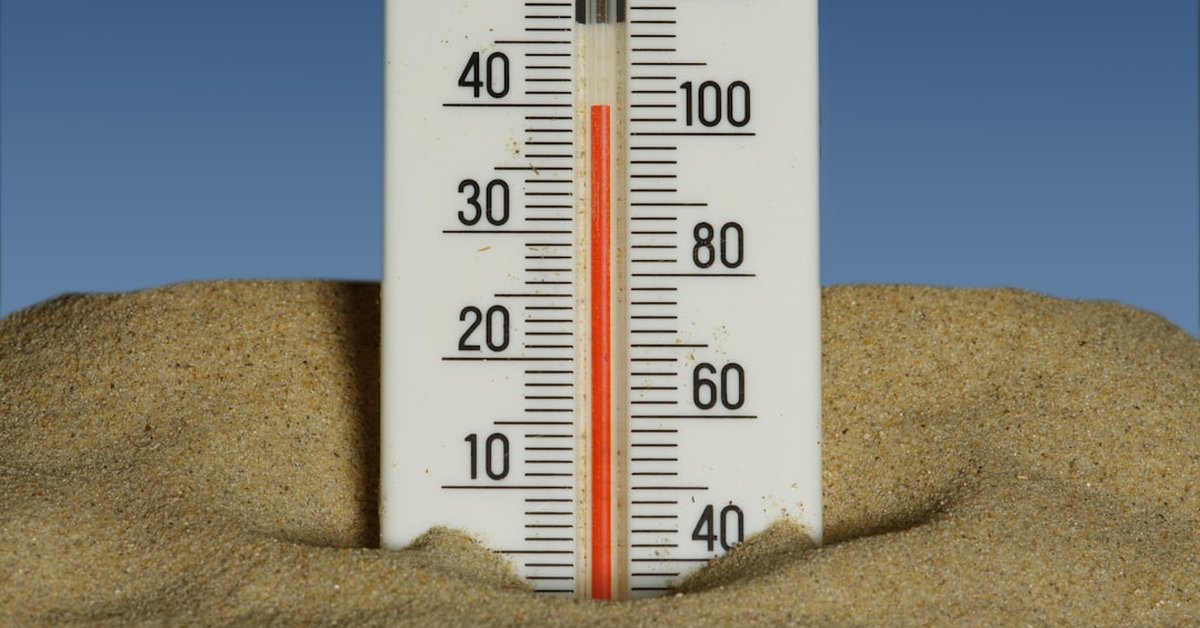







You think of England, you think of gray skies, drizzle, and maybe a damp picnic. But June 2024 flipped that script — hard. England recorded its warmest June since records began in 1865, with a mean temperature of 16.9°C (62.4°F). That’s 3.3°C above the 1991–2020 average. For the entire UK, it was the second-warmest June on record, trailing only June 1940.
The numbers come straight from the Met Office, who called the data “exceptional.” Nine of England’s ten warmest Junes have now occurred since 2000. This isn’t a blip — it’s a trend wearing work boots.
And while much of North America braced for a scorching Fourth of July heatwave affecting 160 million people, the UK was rewriting its own climate record books.
The Numbers That Broke the Thermometer
The Met Office’s provisional statistics show England’s mean temperature hit 16.9°C, beating the previous record of 16.5°C set in June 1940 and tied in 1976. Minimum temperatures — the overnight lows — were especially brutal. They averaged 11.5°C, which is 4.1°C above normal. That’s the kind of statistic that keeps public health officials awake at night.
Rainfall? Below average across most of England. The East of England saw just 28% of its typical June rainfall. That’s not a drought yet, but the soil moisture deficit is building.
Sunshine hours also climbed above average, particularly in southern England. But the real story is the persistence. The heatwave that gripped the country from June 24–29 pushed temperatures past 30°C in multiple locations. Wisley in Surrey hit 32.2°C on June 26 — not an all-time record, but part of a sustained stretch of heat that didn’t let up at night.
“What made this June exceptional wasn’t just the daytime highs — it was the lack of cool relief overnight. When you don’t get a break from the heat, the stress accumulates on the body, on infrastructure, on everything.” — Dr. Laura Greenwood, Climate Scientist at the University of Oxford
How This June Compares to History
June 1940 has been the benchmark for 84 years. That year saw a mean temperature of 16.5°C for England. 1976 tied it. Now 2024 sits alone at the top. But here’s the kicker: the UK as a whole (including Scotland, Wales, and Northern Ireland) recorded its second-warmest June, with a mean of 14.8°C. Only June 1940 was warmer at 15.1°C.
Scotland and Northern Ireland had their own near-record warmth. Scotland’s mean June temperature was 14.2°C, 2.5°C above average — its fifth-warmest June. The trend is unmistakable. According to the NASA climate evidence page, global warming is driving more frequent and intense heatwaves worldwide, and the UK is not immune.
Dr. Mark McCarthy, head of the Met Office’s National Climate Information Centre, said: “The chance of seeing a June as warm as this has at least doubled due to human-induced climate change. We’re now in a world where these records are not just possible — they’re probable.”
What This Means for Everyday Life
A 3.3°C anomaly doesn’t sound catastrophic until you translate it into real-world impact. The BBC reported that the heatwave triggered a surge in heat-related hospital admissions, particularly among the elderly and those with respiratory conditions. Train tracks buckled in Lincolnshire. The London Underground became a sauna with no exit.
Agriculture took a hit too. Barley and wheat crops matured faster than usual, reducing yield potential. Dairy farmers reported lower milk production as cows struggled to cool down.
And then there’s the psychological toll. The UK is not built for this. Most homes lack air conditioning. Public buildings designed for a temperate climate become ovens. The heatwave that broke England’s June record wasn’t a one-off — it’s a preview of a new normal.
The Bigger Picture: A Climate Shifting Under Our Feet
Look, scientists have been warning about this for decades. But there’s a difference between reading a report and feeling it. This June, people felt it. The Met Office’s State of the UK Climate 2023 report already showed that the UK’s 10 warmest years on record have all occurred since 2002. June 2024 just added another data point to an unmistakable curve.
What’s next? The Met Office’s three-month outlook suggests above-average temperatures are likely to continue through July and August. The risk of drought is increasing, especially in eastern England. Water companies may impose hosepipe bans by mid-August if rainfall doesn’t catch up.
But here’s the thing — we can adapt. Better building codes. More green spaces. Heat-health warning systems that actually get people to change behavior. The question is whether the political will matches the speed of the warming.
As Dr. Greenwood put it: “Records are falling faster than we can update our infrastructure. Every fraction of a degree matters, and every year without serious emissions reductions locks in more of this heat.”
The June that just ended is now history. But it’s also a warning — written in degrees Celsius, not in words.
Frequently Asked Questions
Why was June 2024 so hot in England?
June 2024 saw a persistent area of high pressure over the UK, drawing warm air from the continent. This was combined with an underlying warming trend caused by climate change, which made the heatwave more intense and prolonged. The Met Office confirmed that human-induced climate change made this event at least twice as likely compared to a pre-industrial world.
Is this a one-off or part of a longer trend?
It’s part of a clear trend. Nine of England’s ten warmest Junes on record have occurred since 2000. The UK’s climate is warming, with average temperatures increasing by about 1.2°C since the mid-19th century. Heatwaves are becoming more frequent, more intense, and longer-lasting. This June is not an outlier — it’s the new trajectory.
Should I expect similar heat next summer?
It’s impossible to predict a specific summer’s weather, but the underlying odds have shifted. What was once a rare 1-in-100-year event is now more like 1-in-10 or even 1-in-5 in some climate models. The Met Office advises preparing for warmer summers as the new baseline, with occasional extreme heat events becoming the norm rather than the exception.