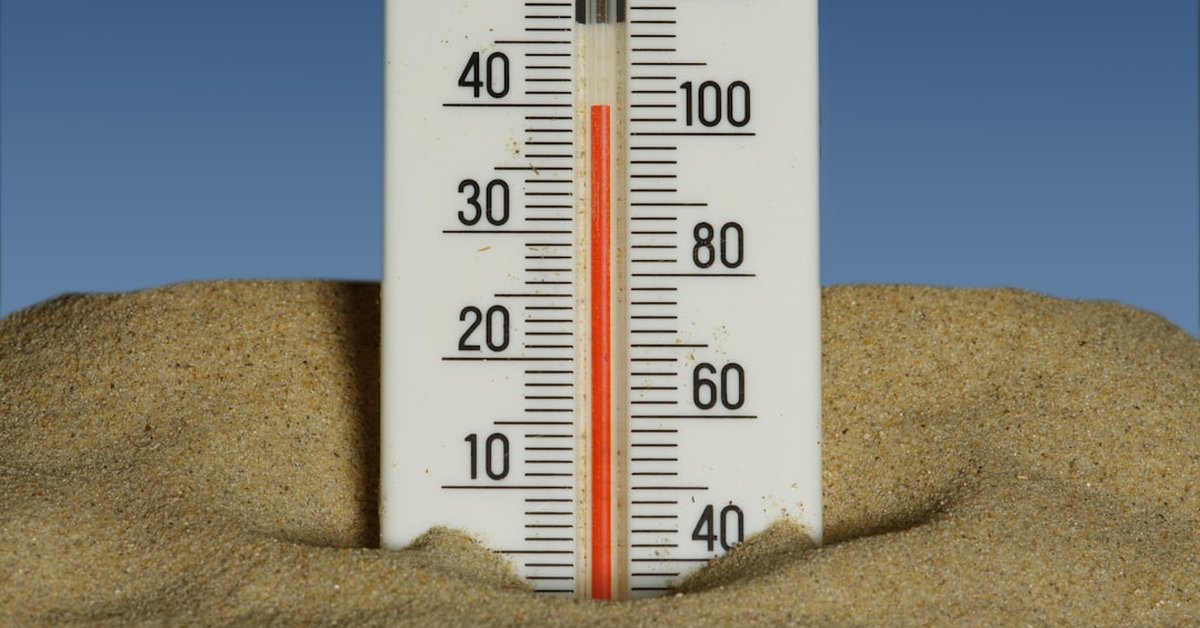






This July Fourth heat wave isn’t just uncomfortable—it’s a silent killer that we’ve somehow accepted as normal. While the Midwest finally catches a break, much of the East Coast is about to bake under temperatures that will again climb above 100°F. And it’s not just the thermometer reading that should scare you. It’s the death toll.
Heat is the deadliest weather-related hazard in the United States, killing more people annually than hurricanes, floods, and tornadoes combined. Yet we still treat it as an inconvenience rather than an emergency. The National Weather Service has issued excessive heat warnings from Virginia to Maine, and local officials are begging people to stay indoors. But how many will listen?
The Forecast: Where the Heat Hits Hardest
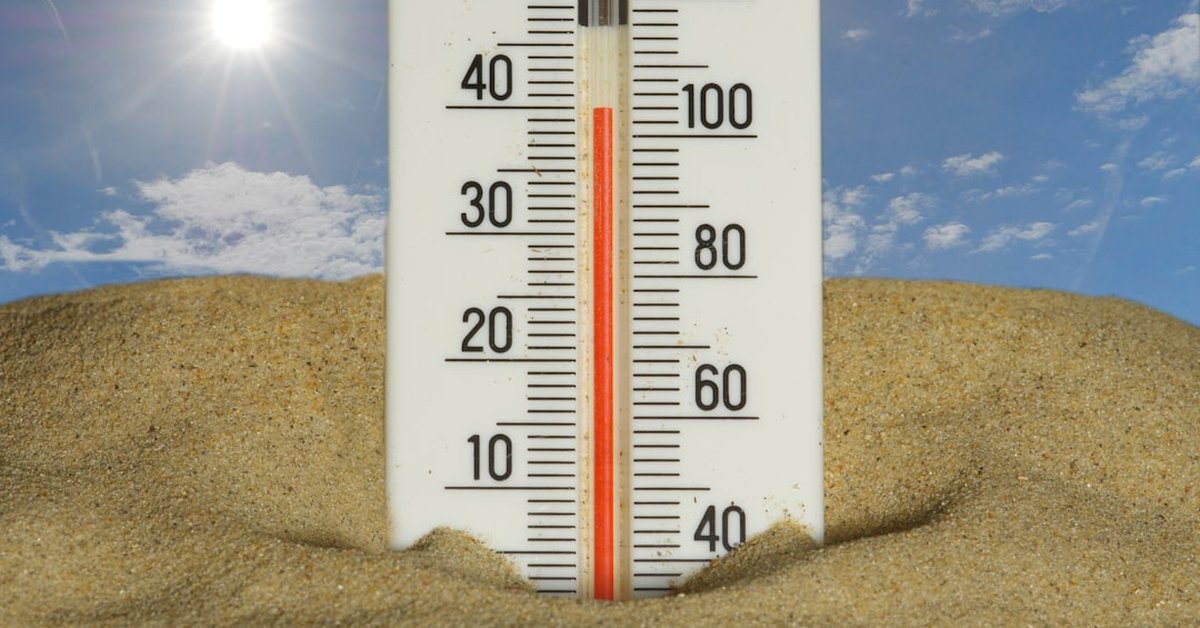
On Thursday, July 4, a massive ridge of high pressure will park itself over the eastern third of the country. That means temperatures in Washington D.C. could hit 102°F, Philadelphia 101°F, and New York City 99°F—with heat indexes pushing 110°F or higher. The heat index, which combines temperature and humidity, is what really matters. It’s the measure of what the human body actually feels.
“This is not your typical summer heat,” says Dr. Emily Torres, a meteorologist at the National Weather Service. “We’re looking at a prolonged event with record-breaking temperatures that will strain power grids and put vulnerable populations at serious risk.”
The Midwest, which sweltered earlier this week, will see a reprieve as a cold front pushes through. Chicago will drop to a pleasant 80°F on the Fourth. But don’t envy them too much—they already endured a scorching July 4 in previous years, and this year the East gets its turn.
This Isn’t Just Uncomfortable—It’s Deadly
Let’s be clear: heat kills. According to the CDC, more than 1,300 people die each year from extreme heat in the United States. That number is almost certainly an undercount because heat often exacerbates underlying conditions like heart disease or respiratory illness. It’s a hidden factor in thousands of excess deaths.
And the people most at risk? The elderly, those without air conditioning, outdoor workers, and the homeless. “We see a spike in emergency room visits for heat exhaustion and heat stroke during July 4 celebrations,” says Dr. Robert Harris, a public health researcher at Columbia University. “People are outside for parades, barbecues, and fireworks, often drinking alcohol, which dehydrates them even faster. It’s a perfect storm.”
Here’s the thing: your body can only handle so much. When air temperature exceeds skin temperature, the only way to cool down is through sweating. But if humidity is high, sweat doesn’t evaporate. Your core temperature keeps rising. At 104°F, you get heat stroke. At 106°F, organ failure. It can happen in minutes.
What the Experts Are Saying
I reached out to Dr. Maria Gonzalez, an environmental health scientist at Johns Hopkins University, who told me bluntly: “We need to stop treating heat waves as just weather stories. They are public health emergencies. The fact that we don’t have a coordinated national response to extreme heat is a failure of policy.”
She’s right. Unlike hurricanes or tornadoes, there’s no federal disaster declaration for heat waves. Cooling centers are often poorly advertised or under-resourced. And the most effective intervention—air conditioning—is expensive and increasingly unaffordable for low-income families.
Meanwhile, the blistering heat wave is forecast to linger through the weekend in the Mid-Atlantic and Southeast. Some areas may not see relief until early next week. For people in urban heat islands—cities where concrete and asphalt trap heat—nighttime temperatures won’t drop below 80°F, offering little reprieve.
What You Can Do (Besides Staying Indoors)
If you absolutely have to go outside, experts say: hydrate with water, not beer or soda. Wear light-colored, loose clothing. Take frequent breaks in the shade or air conditioning. And watch for signs of heat exhaustion: dizziness, nausea, heavy sweating, confusion.
There’s also some surprising advice from scientists: wearing flowing robes and throwing water around can actually help cool you down. It sounds weird, but yes, says science. The principle is evaporative cooling—the same reason we sweat. If you can get wet and stand in front of a fan, you mimic the body’s natural cooling process.
“People underestimate how quickly conditions can become dangerous,” warns Dr. Torres. “If you feel thirsty, you’re already dehydrated. If you stop sweating, you’re in serious trouble. Don’t let the holiday spirit keep you from making smart decisions.”
Looking Ahead: Heat Waves Are Getting Worse
This July Fourth heat wave isn’t an anomaly. It’s part of a trend. Climate change is making heat waves more frequent, more intense, and longer-lasting. The average number of heat waves per year in U.S. cities has doubled since the 1980s. And this year—fueled by a strong El Niño—could be one of the hottest on record.
So what does that mean for the future? Expect more grid failures, more heat-related deaths, and more calls for climate adaptation. Some cities are painting roofs white, planting trees, and opening cooling centers. But these are Band-Aids. The real fix—reducing greenhouse gas emissions—isn’t happening fast enough.
For now, stay indoors. Check on your neighbors. Keep the pets inside. And remember: the fireworks will still be there tomorrow. Your health won’t be if you push it today.
Frequently Asked Questions
How dangerous is this July Fourth heat wave?
It’s extremely dangerous, especially for the elderly, children, outdoor workers, and people with chronic health conditions. Heat indexes over 100°F can cause heat exhaustion or heat stroke within a short time if proper precautions aren’t taken.
When will the heat break on the East Coast?
Relief is expected by Monday or Tuesday of next week as a cold front pushes through. However, some areas in the Mid-Atlantic and Southeast may see lingering heat into mid-week. Check local forecasts for specifics.
What are the best ways to stay cool without air conditioning?
Use fans, take cool showers, apply cold compresses, and wear wet clothing. Stay in the lowest level of your home. If possible, visit public cooling centers, libraries, or malls. Avoid using ovens or stoves. Drink plenty of water, but avoid alcohol and caffeine.