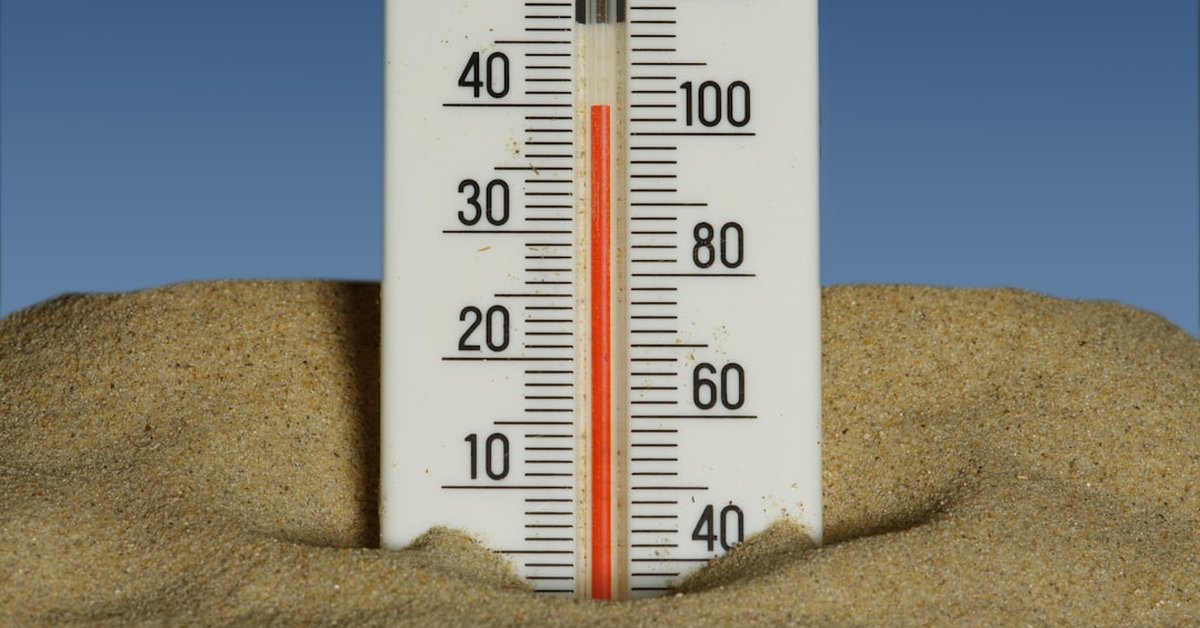







The air is thick, the sun an unyielding eye. By mid-morning, the pavement already radiates heat. By noon, the forecast calls for 34°C—and this isn’t just another hot day. This is the start of a heatwave that the UK Health Security Agency (UKHSA) warns could stretch an entire week, prompting an amber health alert across large swaths of England. For millions, the question isn’t just about comfort—it’s about survival.
According to weather presenter Stav Danaos, this heatwave is different from the flash-in-the-pan scorchers we’ve seen earlier this summer. “The key factor here is duration,” Danaos explains. “We’re looking at potentially seven days where temperatures consistently hit the low-to-mid 30s. That’s not just record-breaking—it’s health-threatening.”
What’s Behind the Heatwave?
Blame a stubborn high-pressure system parked over Scandinavia. It’s dragging hot continental air across the UK, the same mechanism that gave us last July’s unprecedented 40°C reading. But this time, the heat is arriving without the dramatic thunderstorms that usually break the spell. Instead, it lingers. And that’s dangerous.
The UKHSA has issued a Level 3 Amber Heat-Health Alert for six regions in England, including London, the East Midlands, and the East of England. The alert runs from Wednesday through Sunday—potentially longer. This isn’t a drill. Blistering heat waves that linger through weekends have historically overwhelmed emergency services, and officials are bracing for a surge in heat-related health crises.
Dr. Helen Spencer, a heat-health specialist at the UKHSA, put it bluntly: “We see a spike in cardiovascular and respiratory emergencies when high temperatures persist for more than 48 hours. The elderly, young children, and those with pre-existing conditions are most at risk. But even healthy adults pushing through the heat without adequate hydration can find themselves in trouble.”
Why 34°C Feels Like a Big Deal—and Why It Is
Let’s be real: 34°C sounds almost quaint to someone living in Phoenix or Dubai. But the UK isn’t built for this. Most homes lack air conditioning. Houses are designed to trap heat. Train tracks buckle. Road surfaces melt. In 2022, the UK recorded its first-ever 40°C temperature, and more than 3,000 excess deaths were linked to heat in that summer alone.
The Met Office has moved this week closer to officially naming heatwaves—an effort to raise public awareness. But critics argue that without real infrastructure changes, warnings are just words. Still, the message is clear: take this seriously.
This isn’t just about the elderly or the vulnerable, either. Construction workers, delivery drivers, outdoor labourers—they’re all in the line of fire. And for families with young kids stuck in stuffy flats? The health risks compound quickly.
How to Stay Safe (And What Science Says Really Works)
You’ve heard the basics: stay hydrated, avoid peak sun hours, never leave kids or pets in cars. But scientists have been digging into more creative solutions. A recent study highlighted by CyclonePost suggests that wearing loose, flowing robes and throwing water around your environment can significantly lower body temperature. Yes, there’s actual peer-reviewed backing for that old-school trick.
Dr. Aisha Malik, a thermal physiologist with the University of Cambridge, explains: “Evaporative cooling—like wetting your clothing or skin—is one of the most efficient non-mechanical methods to regulate body temperature. In environments where humidity isn’t too high, it can be a lifesaver.”
Other tips: close curtains during the day, open windows at night, and—counterintuitively—skip the electric fan if the room temperature is above 35°C. At that point, fans just blow hot air, which can actually accelerate dehydration.
When Will This End? And What Comes Next?
Models suggest the high-pressure ridge could break by the following Monday, bringing cooler Atlantic air and possibly thunderstorms. But the damage may already be done. Health officials warn that heat-related deaths often occur in the days following the peak as bodies continue to struggle with cumulative stress.
Long-term, this week raises uncomfortable questions. Are we building cities for a climate that no longer exists? Should the UK start mandating air conditioning in new housing? And how many heat-related deaths are we willing to accept before change happens?
Danaos sums it up with a dose of reality: “This isn’t an anomaly anymore. Last year, we saw 40°C. This year, it might be 34°C for a week. Next year, who knows? The trend is clear, and we need to adapt.”
So as the mercury climbs, take the warning seriously. Check on your neighbours. Keep the water close. And maybe—just maybe—invest in that flowing robe.
Frequently Asked Questions
Is 34°C really dangerous for healthy people?
Yes, if sustained over multiple days. Prolonged heat stresses the cardiovascular system, reduces sleep quality, and can lead to heat exhaustion or heatstroke—even in fit individuals. The UK’s infrastructure and typical housing designs are poorly suited for consecutive days above 30°C, amplifying the risk.
What is the UKHSA Heat-Health Alert, and what does Amber mean?
The UK Health Security Agency issues alerts during periods of high temperature. An Amber (Level 3) alert means there is a high probability that heat will impact public health, particularly among vulnerable groups. It triggers increased monitoring by the NHS and advice from local authorities, urging people to take precautions.
How can I keep my home cool without air conditioning?
Close blinds or curtains during the day to block sunlight. Open windows at night to let cool air in. Use a fan strategically—placing a bowl of ice in front of it can help. Avoid using ovens or stoves during the hottest hours. Wearing light, loose clothing and staying hydrated are also crucial.