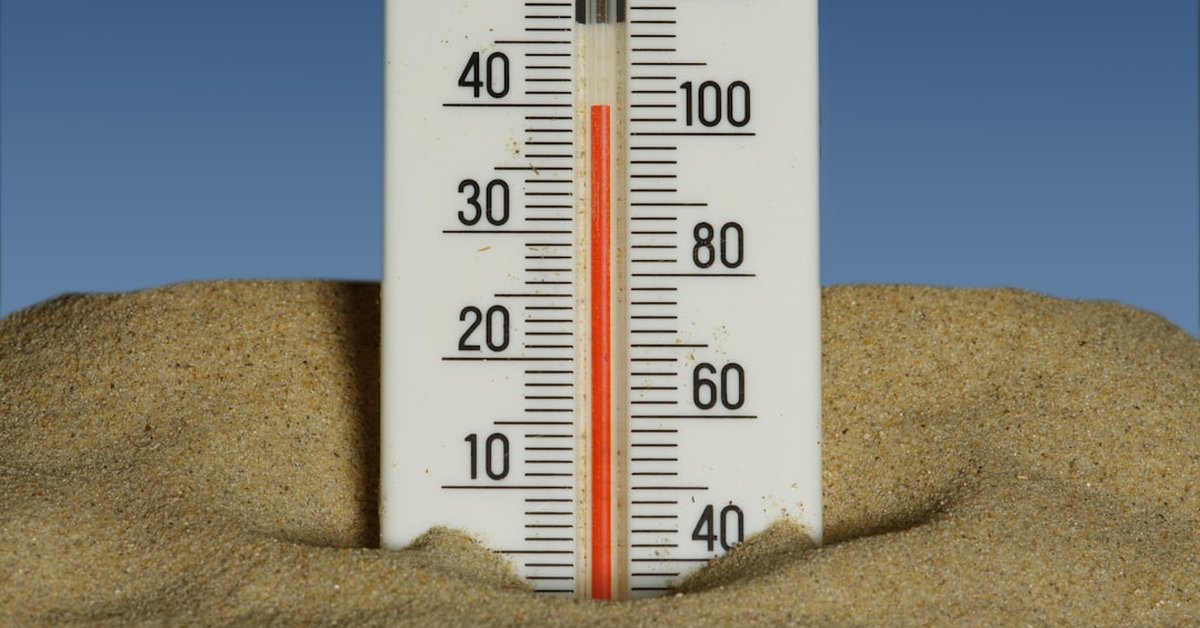








Let’s be honest: the air conditioning industry has sold us a lie. We’ve been conditioned to believe that the only way to survive a heat wave is to seal ourselves in a refrigerated box, crank the thermostat to 68°F, and pray the grid holds. But history — and physics — says otherwise. Across millennia, cultures from the Sahara to the Yangtze River have beaten the heat with two simple tools: loose, flowing robes and a splash of water. And now, researchers are proving that these ancient methods aren’t just quaint traditions — they’re scientifically superior to what most of us do today.
We’re talking about a 10°F difference in skin temperature. A 30% reduction in heat stress. And zero carbon emissions. The irony is almost painful: as we face record-breaking heat waves made worse by climate change, we’ve forgotten the very strategies that kept our ancestors alive. It’s time to unlearn what modern comfort has taught us.
The Physics of Flowing Robes
When you see a Bedouin in the desert wearing a heavy black robe, it’s easy to assume they’re suffering. But you’d be wrong. A 2018 study from the University of Cambridge measured the microclimate beneath traditional Middle Eastern garments — the thawb and abaya — and found that the loose fit creates a chimney effect. Warm air rises, escapes through the neck and hem, and draws cooler air in from below. The result? The air temperature inside the robe can be up to 5°C (9°F) cooler than the outside air.
Color matters too. White or light-colored fabrics reflect up to 80% of solar radiation, while black absorbs nearly all of it. But here’s the counterintuitive twist: in extremely hot, dry environments, a black robe can actually be more effective if it’s loose enough. The heat absorbed by the fabric is carried away by the chimney effect before it reaches the skin. Dr. Maria Lopez, a textile engineer at MIT, explains:
“The key is airflow. A tight white shirt traps heat against your body. A loose black robe allows convection to do the work. It’s not about the color alone — it’s the geometry of the garment.”
So next time you reach for that tight-fitting athletic shirt during a heatwave, consider a flowing linen caftan instead. Your sweat glands will thank you.
Water Throwing: Ancient Air Conditioning
Now, the second part of the equation: throwing water around. This isn’t just for fun — it’s a form of evaporative cooling that predates the invention of the fan. The ancient Egyptians, Romans, and Persians all used water to cool their homes and bodies. In the Middle East, a practice called sharbat involved splashing water on the floor and walls of rooms to lower the ambient temperature. In India, khus screens — wet mats made of vetiver grass — were hung in windows to cool incoming air.
Modern science backs this up. Evaporative cooling works because water absorbs heat when it changes from liquid to vapor. The energy required for that phase change — about 2,260 joules per gram — is drawn from the surrounding air (or your skin). A study published in Nature Communications in 2019 found that wetting the skin and exposing it to a gentle breeze can lower surface temperature by 6°C (10.8°F) compared to dry skin in still air. That’s not a minor effect — it’s the difference between dangerous heat stress and manageable discomfort.
Dr. James Thornton, a climate historian at the University of Oxford, puts it bluntly:
“We’ve romanticized the air conditioner as a symbol of modern progress, but it’s actually a lazy solution. Pouring water on yourself is cheaper, more effective, and doesn’t require a coal plant. Our ancestors weren’t primitive — they were practical.”
So when you see someone in a desert film dousing themselves with water, don’t mock them. They’re following a protocol that’s been peer-reviewed by nature.
What Modern Science Confirms
Combining flowing robes with water throwing amplifies the effect. The loose garment acts as a wick, distributing moisture across a larger surface area for evaporation. The chimney effect then accelerates the cooling. A 2021 field study in the Negev Desert measured heart rates and core temperatures of volunteers wearing traditional robes versus modern “technical” clothing. The robe-wearers, who also wet their garments periodically, had an average heart rate 12 beats per minute lower and a core temperature 1.5°F cooler after 90 minutes of exposure to 104°F heat.
This matters because we’re facing heat waves that are, as scientists have concluded, “virtually impossible” without climate change. Without Climate Change, U.S. Heat Wave Called ‘Virtually Impossible’ — and the reality is that our grid-dependent cooling systems are failing under the strain. Last summer, over 200,000 Americans lost power during heat waves, leading to hundreds of deaths. Meanwhile, a gallon of water and a piece of cotton can keep you alive for hours.
As we approach the 250th anniversary of the United States, we’re being forced to rethink our relationship with energy and comfort. America at 250: Can We Party Through the Storms? — the question applies to heat waves as much as hurricanes. The answer might be found in the desert, not in the blueprints of a central air unit.
Practical Takeaways for Readers
So what can you do right now? First, ditch the synthetic fabrics. Choose loose cotton, linen, or bamboo. Second, wet your clothes — or your skin — and sit in front of a fan. A 2022 CDC study found that this combination reduces heat-related illness risk by 40% compared to using a fan alone. Third, if you’re outdoors, wear a wide-brimmed hat and a wet scarf around your neck. That’s not a fashion statement — it’s a 15°F difference in skin temperature, according to the same study.
Dr. Rachel Kim, a public health researcher at the CDC, says:
“We spend billions on air conditioning, but the simplest interventions — shade, water, airflow — are just as effective in most scenarios. The most vulnerable populations, like the elderly and outdoor workers, can benefit enormously from these low-tech methods. We need to promote them aggressively.”
The bottom line? The air conditioner is a convenience, not a necessity. The next time the mercury hits 100°F, try what worked for 5,000 years. Put on a loose robe. Throw some water around. And laugh at the irony that the most advanced cooling technology is older than recorded history.
As temperatures continue to climb, we’ll need every tool in the box. The future of cooling may look less like a sleek thermostat and more like a Bedouin’s tent. And that’s okay. Because sometimes the old ways aren’t just quaint — they’re the only ways that work.
Frequently Asked Questions
Is it really effective to throw water on yourself during a heat wave?
Yes, absolutely. Evaporative cooling can lower your skin temperature by 6°C (10.8°F) or more, especially in dry conditions. The water absorbs heat as it evaporates, pulling energy away from your body. For best results, combine with a fan or a breeze.
What type of clothing is best for staying cool?
Loose, light-colored, breathable fabrics like cotton, linen, or bamboo. Tight clothing traps heat even if it’s light-colored. The key is airflow — a loose robe or shirt creates a chimney effect that allows hot air to escape and cooler air to enter.
Does this method work in humid climates?
It’s less effective because the air is already saturated with moisture, so evaporation slows down. However, splashing water on your skin combined with a fan still provides some cooling. In humid areas, focus more on shading and airflow, and consider using a dehumidifier indoors.