






Forget everything you know about the World Cup. The 2026 edition, co-hosted by the United States, Canada, and Mexico, isn’t just a tournament—it’s a logistical and meteorological gamble on a scale never seen before. With 48 teams (up from 32) and 104 matches spread across 16 venues from Vancouver to Mexico City, the bracket is a sprawling beast. And for fans planning to follow their team, the real challenge won’t just be the opposition—it’ll be the weather.
Think about it. You could be watching a group-stage match in sweltering Houston in June, then hop a flight to frigid Vancouver for a knockout game. The bracket’s structure, unveiled by FIFA in early 2024, splits the 48 teams into 12 groups of four. The top two from each group advance, plus the eight best third-place finishers. That’s 32 teams in the Round of 32—a format that guarantees drama but also chaos. And the weather? It’s the wildcard nobody’s talking about.
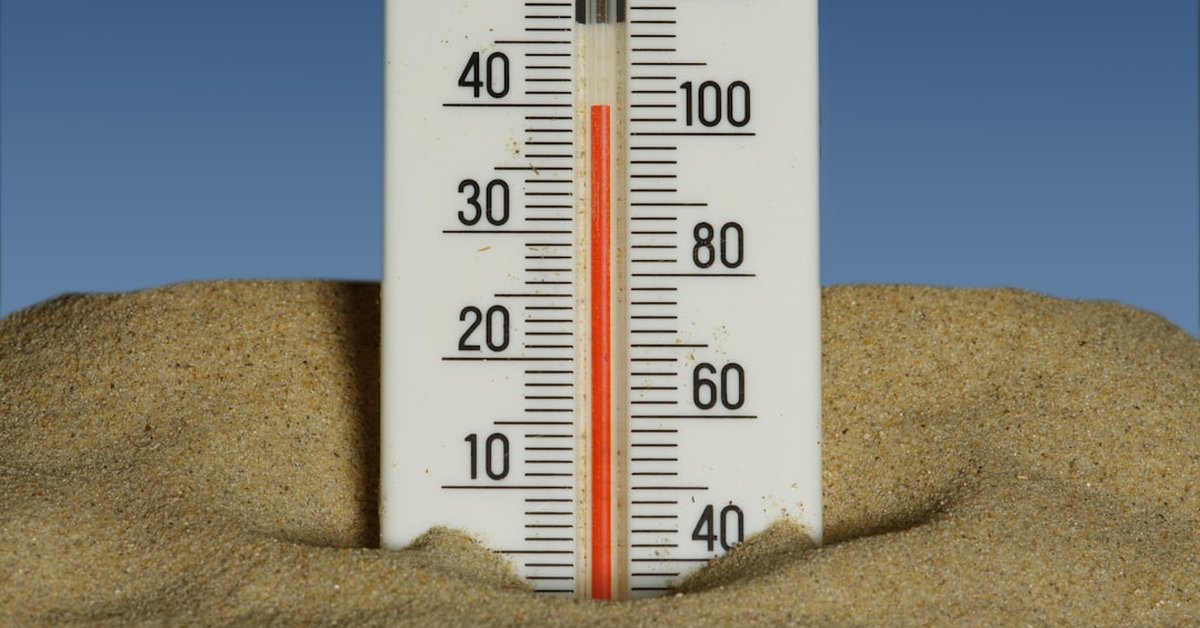
Look, I’ve covered extreme weather for years. I’ve seen how heat waves can turn a stadium into a convection oven. The Heat Wave: Silent Killer That Strains Power Grids article I wrote last summer isn’t just relevant—it’s a warning. The 2026 World Cup runs from June 11 to July 19, smack in the middle of North America’s hottest months. In cities like Dallas, Miami, and Houston, average highs hit 95°F (35°C) with humidity that makes it feel like 110°F. FIFA has mandated cooling breaks, but that’s a band-aid on a bullet wound.
The Bracket Breakdown: How 48 Teams Become One Champion
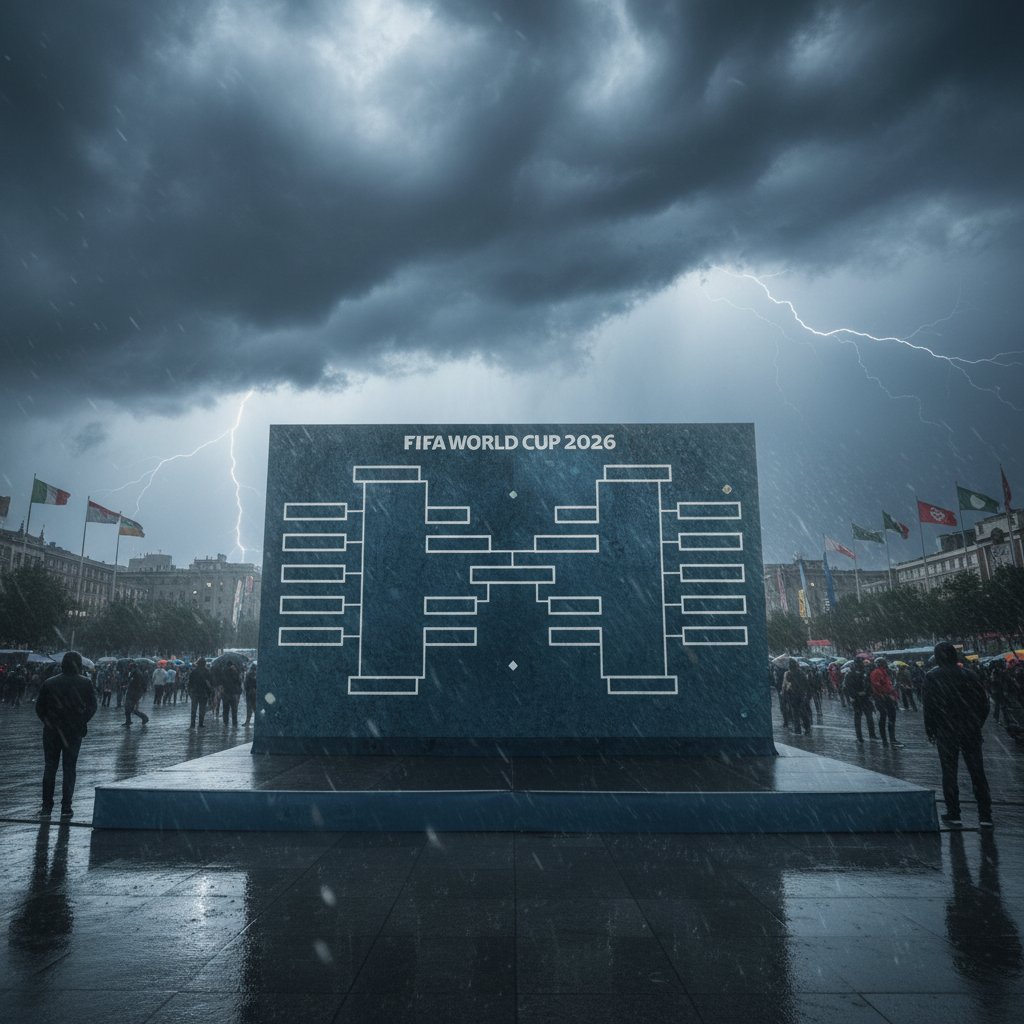
Let’s get into the nuts and bolts. The 12 group winners and runners-up (24 teams) automatically qualify for the Round of 32. They’re joined by the eight best third-place teams, selected by points, goal difference, goals scored, and—if needed—fair play points. Yes, yellow cards could decide who advances. The Round of 32 then feeds into a traditional single-elimination bracket: Round of 16, quarterfinals, semifinals, and the final at MetLife Stadium in New Jersey on July 19.
But here’s where it gets tricky. The bracket isn’t fixed until the group stage ends. FIFA will use a pre-determined pathway based on group standings, but the specific matchups depend on which third-place teams qualify. That means fans can’t book flights or hotels with certainty until the last group match ends. For a tournament spanning three countries and 4,000 miles, that’s a logistical nightmare. Imagine booking a hotel in Seattle only to find your team’s playing in Mexico City.
Dr. Elena Marchetti, a sports logistics expert at the University of Toronto, puts it bluntly:
“The 2026 bracket is a marvel of modern scheduling, but it’s also a recipe for fan fatigue. The distances between venues are enormous—Vancouver to Mexico City is a six-hour flight. And with the knockout rounds potentially shifting locations, fans will need to be nimble. This isn’t like 2014 in Brazil, where everything was within a few hours’ drive.”
Weather as the 49th Team: Heat, Hurricanes, and Altitude
I’ve spent years tracking how extreme weather disrupts major events. The 2026 World Cup faces a triple threat: heat waves in the southern U.S., hurricane season along the Gulf and Atlantic coasts, and altitude issues in Mexico City (7,350 feet above sea level). Let’s break it down.
First, the heat. The tournament kicks off June 11, which is early summer for most of North America. But in cities like Arlington, Texas (home of AT&T Stadium), and Houston (NRG Stadium), June is already brutal. The 1994 World Cup in the U.S. had matches in July with temperatures hitting 100°F, and players collapsed. In 2026, with more matches and longer travel, the risk is higher. FIFA has approved in-match cooling breaks—three-minute pauses when the wet-bulb globe temperature exceeds 89.6°F—but that doesn’t solve the problem of fans sitting in unshaded stands for two hours.
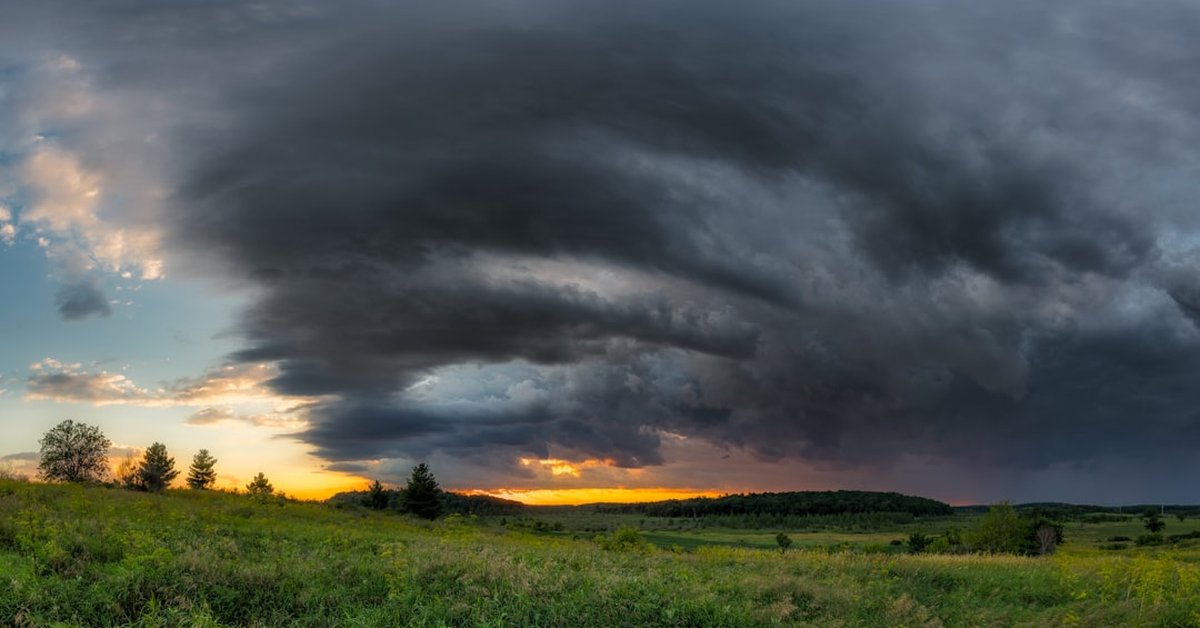
Second, hurricanes. The Atlantic hurricane season runs from June 1 to November 30, with peak activity in August and September. The World Cup ends July 19, so the risk is lower but not zero. In 2017, Hurricane Harvey hit Houston in late August, causing catastrophic flooding. If a storm threatens a match, FIFA has contingency plans to move games to alternate venues. But that could throw the bracket into chaos. Remember the 2022 World Cup in Qatar? They moved matches due to heat. This could be worse.
Third, altitude. Mexico City’s Estadio Azteca sits at 7,350 feet. Players from low-altitude countries will struggle with oxygen levels. FIFA has mandated that teams arrive at least 72 hours before matches to acclimatize, but that’s not always possible with back-to-back games. The bracket could force a team to play in Mexico City, then fly to sea level in Miami three days later. That’s a physiological rollercoaster.
Dr. James Park, a sports medicine specialist at the University of Colorado, explains:
“Altitude affects everyone differently. Some players adapt quickly, others don’t. When you combine altitude with heat and travel fatigue, you’re looking at a recipe for increased injury rates and reduced performance. The bracket doesn’t account for these variables, and that’s a problem.”
What This Means for Fans: Planning, Packing, and Patience
If you’re planning to attend the 2026 World Cup, here’s the hard truth: you need to be flexible. The bracket’s fluidity means you can’t lock down your itinerary until the group stage ends. That’s a huge shift from previous tournaments, where the bracket was set before the first match. So, what can you do?
First, buy refundable flights and hotels. Seriously. If your team advances as a third-place finisher, they could end up in a different city than you expected. Second, pack for all seasons. You might need shorts and a T-shirt in Los Angeles, then a jacket and rain gear in Vancouver. Third, stay informed. Follow FIFA’s official channels and local weather alerts. The Surviving the Storm: Vergil Ortiz’s Eastern NC Tornado Escape story is a reminder that weather can change in an instant—even during a sporting event.
And let’s not forget the mental health angle. The stress of planning, the disappointment of a team’s early exit, the anxiety of travel disruptions—it all adds up. The Selena Gomez: From Disney Star to Mental Health Advocate Amid Climate Anxiety piece highlights how climate-related stress affects people. The World Cup should be a celebration, not a source of anxiety. But with 48 teams and 104 matches, it’s going to be a test of endurance for everyone involved.
The Bigger Picture: A Tournament That Reflects Our Times
The 2026 World Cup bracket isn’t just a sports story—it’s a story about how we adapt to a changing world. The expanded format reflects FIFA’s desire for inclusivity, but it also creates complexity. The weather risks reflect the reality of climate change. And the logistical challenges reflect the scale of modern mega-events.
In some ways, this tournament is a microcosm of the 21st century: bigger, faster, more connected, but also more vulnerable. The bracket will produce unforgettable moments—a Cinderella run from a third-place team, a dramatic penalty shootout in the Round of 32, a final that goes to extra time. But it will also produce headaches, delays, and maybe even a few disasters.
So, as you fill out your bracket, remember: the real winner might be the team that handles the chaos best. Not just the soccer chaos, but the weather chaos, the travel chaos, the altitude chaos. That’s the 2026 World Cup in a nutshell. And honestly? I can’t wait to see how it unfolds.
Frequently Asked Questions
How does the 48-team bracket work for the 2026 World Cup?
The 48 teams are divided into 12 groups of four. The top two from each group advance, plus the eight best third-place finishers, making a 32-team knockout stage. The knockout rounds are single-elimination, culminating in the final on July 19, 2026, at MetLife Stadium in New Jersey.
Which cities are hosting matches in the 2026 World Cup?
The tournament spans 16 venues across three countries: 11 in the U.S. (including Los Angeles, New York/New Jersey, Dallas, Miami, Seattle, and Houston), 2 in Canada (Vancouver and Toronto), and 3 in Mexico (Mexico City, Guadalajara, and Monterrey).
How is FIFA addressing extreme weather during the tournament?
FIFA has implemented cooling breaks when the wet-bulb globe temperature exceeds 89.6°F, and teams must arrive at high-altitude venues like Mexico City at least 72 hours before matches. Contingency plans exist to move games to alternate venues if hurricanes or other severe weather threaten.