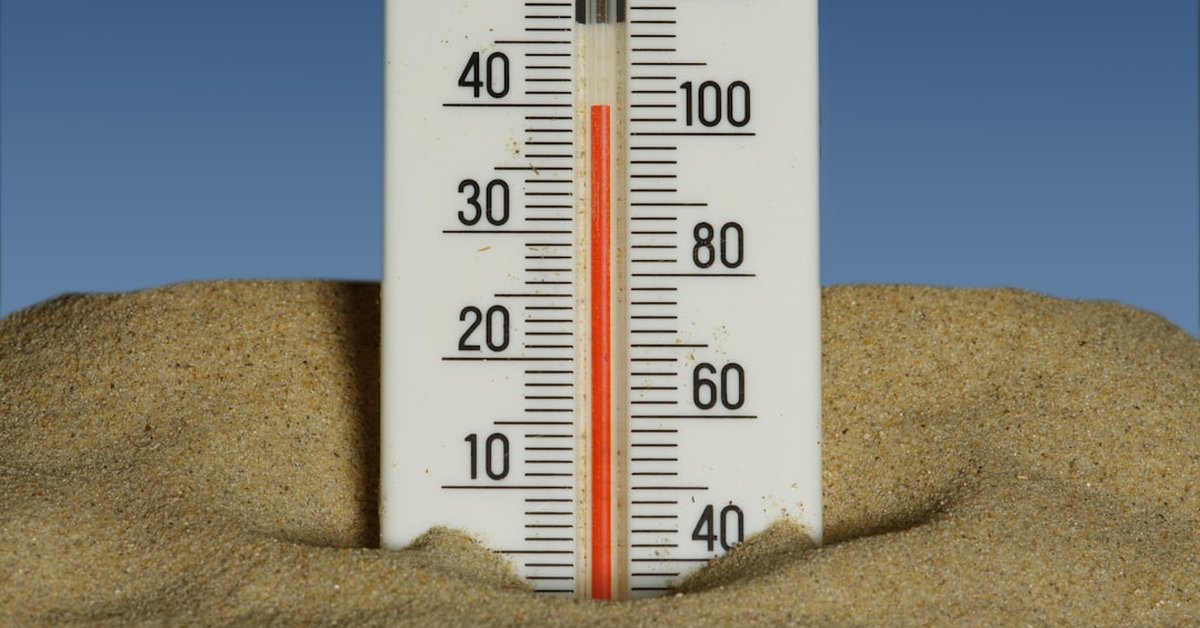








In July 2023, Phoenix hit 110°F (43.3°C) for nineteen consecutive days. That wasn’t just a record — it was a redefinition of normal. The old normal, at least. Heat waves now kill more Americans annually than hurricanes, floods, and tornadoes combined, yet they rarely get the same breathless coverage. They’re the quiet catastrophe, the one that doesn’t tear roofs off but still empties cities of their most vulnerable.
And they’re getting worse. Faster than anyone predicted.
The Numbers Are Staggering
Globally, heat waves are becoming more frequent, more intense, and longer-lasting. According to the IPCC Sixth Assessment Report, extreme heat events that once occurred once every 50 years are now expected every decade — or sooner. The 2021 Pacific Northwest heat wave shattered records by more than 5°C (9°F) in some areas, killing an estimated 600+ people across Canada and the U.S. That wasn’t a slow creep. That was a cliff.
But here’s the thing: most heat deaths are preventable. They just require infrastructure, awareness, and a shift in how we think about weather disasters. We’ve gotten good at tracking hurricanes. We’ve learned to fear tornadoes. Heat? It’s still treated like an inconvenience — until it’s a body count.
Consider this: a 2023 study in Nature Medicine estimated over 60,000 heat-related deaths in Europe alone during the summer of 2022. That’s more than the entire population of Greenland. And those were mostly elderly people in poorly insulated apartments, with no AC, during a heat wave that felt like a furnace left on overnight.
Why Heat Waves Hit Different
Heat waves don’t photobomb like a hurricane. There’s no dramatic satellite loop, no debris flying through the air. They just sit there — heavy, oppressive, silent. But their fingerprints are everywhere: buckling roads, melted power cables, emergency rooms flooded with heatstroke cases.
The real danger, though, is cumulative. Your body can handle one hot day. Two? Maybe. But a week-long stretch of 100°F nights — where the temperature never drops below 80°F — means your cardiovascular system never gets a break. It’s like running a marathon with no finish line.
Dr. Amelia Chen, a climate health researcher at Harvard, puts it bluntly: “We design cities for cars, not people. Asphalt absorbs heat. Concrete radiates it back. And low-income neighborhoods often have the least tree cover and the oldest housing stock. That’s not bad luck — that’s policy.” She’s right. In Chicago’s 1995 heat wave, which killed over 700 people, the hardest-hit areas were precisely those with the fewest parks and the most dilapidated buildings.
And it’s not just cities. Rural areas face their own challenges — fewer cooling centers, longer ambulance response times, and farm workers who can’t just call in sick. The CDC’s heat stress guidelines recommend frequent breaks, shade, and hydration, but enforcement is spotty at best.
Grids Under Pressure
Heat waves don’t just stress people — they stress infrastructure. When everyone cranks their AC at once, the power grid groans. In August 2020, California’s grid operator ordered rotating blackouts for the first time in two decades as a heat wave pushed demand beyond supply. People sat in dark apartments, fans useless, temperatures climbing inside.
It’s a vicious cycle: more heat means more AC means more emissions means more heat. Air conditioning accounts for roughly 10% of global electricity consumption, and that number is rising fast. In places like India, where AC ownership is exploding, the strain on grids is immense. But in the U.S., the problem is aging infrastructure. Many transformers were installed in the 1960s and 70s. They weren’t designed for this.
“We’re playing whack-a-mole with blackouts,” says Robert Okada, former emergency manager for Los Angeles County. “One neighborhood goes dark, we fix it, another goes down. The system needs a full upgrade, not patches. But that costs billions, and nobody wants to pay for resilience until it’s too late.”
Look, there’s no easy fix. But there are proven strategies: painting roofs white to reflect sunlight, planting shade trees strategically, building microgrids that can island during peak demand. Some cities are already doing it. Miami has a chief heat officer. Los Angeles is coating streets with a reflective sealant. But these are pilot programs, not systemic change.
For a deeper look at how extreme weather — not just heat — is reshaping emergency preparedness, check out our piece on why Buc-ee’s is becoming America’s most essential storm shelter. It’s a quirky example, but it shows how communities adapt in unexpected ways.
What This Means for You
If you live in a northern city — Seattle, Minneapolis, Boston — don’t assume you’re safe. The 2021 Pacific Northwest heat wave proved that regions unaccustomed to extreme heat can be hit hardest, precisely because nobody has AC, and buildings are designed to trap warmth. That’s a recipe for disaster.
Start now: check on elderly neighbors, know your local cooling centers, and if you don’t have AC, find a friend who does. Heat waves are forecastable days in advance. Use that time. And if you’re a renter, know your rights — many states now require landlords to maintain cooling systems, but enforcement varies wildly.
Finally, think long-term. The heat waves of the 2030s will make today’s look mild unless we decarbonize fast and adapt smarter. That means voting for climate-resilient infrastructure, supporting heat-health action plans, and treating extreme heat like the natural disaster it is — not just a hot day.
Because the next record won’t wait.
Frequently Asked Questions
How dangerous is a heat wave compared to other natural disasters?
Extremely. In the U.S., heat waves kill more people annually than hurricanes, tornadoes, and floods combined. The 1995 Chicago heat wave killed over 700 people, and the 2003 European heat wave caused an estimated 70,000 excess deaths. The danger is often underestimated because heat doesn’t cause dramatic structural damage.
What should I do if a heat wave hits and I don’t have AC?
Stay on the lowest floor of your building, close curtains during the day, and open windows at night if it’s cooler. Use fans strategically — they help when the air is below 95°F, but above that they can actually increase heat stress by blowing hot air on you. Visit public cooling centers, libraries, or malls. Hydrate with water, not alcohol or caffeine. And check on elderly or medically vulnerable neighbors.
Are heat waves getting worse because of climate change?
Yes, unequivocally. Climate change increases the frequency, intensity, and duration of heat waves. What was a 1-in-50-year event in 1990 is now a 1-in-10-year event in many regions. This trend will continue as long as greenhouse gas emissions rise. Adaptation — like better building design and early warning systems — can save lives, but mitigation is the only long-term solution.