






As thermometers across Europe shatter records and cities turn into urban ovens, a strange political battle is heating up. It’s not about carbon taxes or green deals. It’s about air-conditioning. And the fight over who gets to stay cool is exposing a deep ideological rift — one that pits climate action against populist comfort, and it’s only going to get worse.
Look, Europe wasn’t built for this. Most homes, schools, and even hospitals lack the cooling systems Americans take for granted. But as heat waves become the new normal — Reuters reported that July 2024 was the hottest month on record for the continent — the politics of temperature are shifting. And some right-wing populists are seizing the moment, framing air-conditioning not as a luxury, but as a basic right that the green establishment is trying to deny them.
The AC Divide: A New Culture War
In Italy, Giorgia Meloni’s Brothers of Italy party has pushed back against EU energy-efficiency rules that limit AC use in public buildings. In Germany, the far-right Alternative für Deutschland (AfD) has mocked Green Party politicians for suggesting that fans and shade are enough. “They want us to suffer while they fly private jets,” one AfD MEP told a rally in Berlin last month. The crowd cheered.
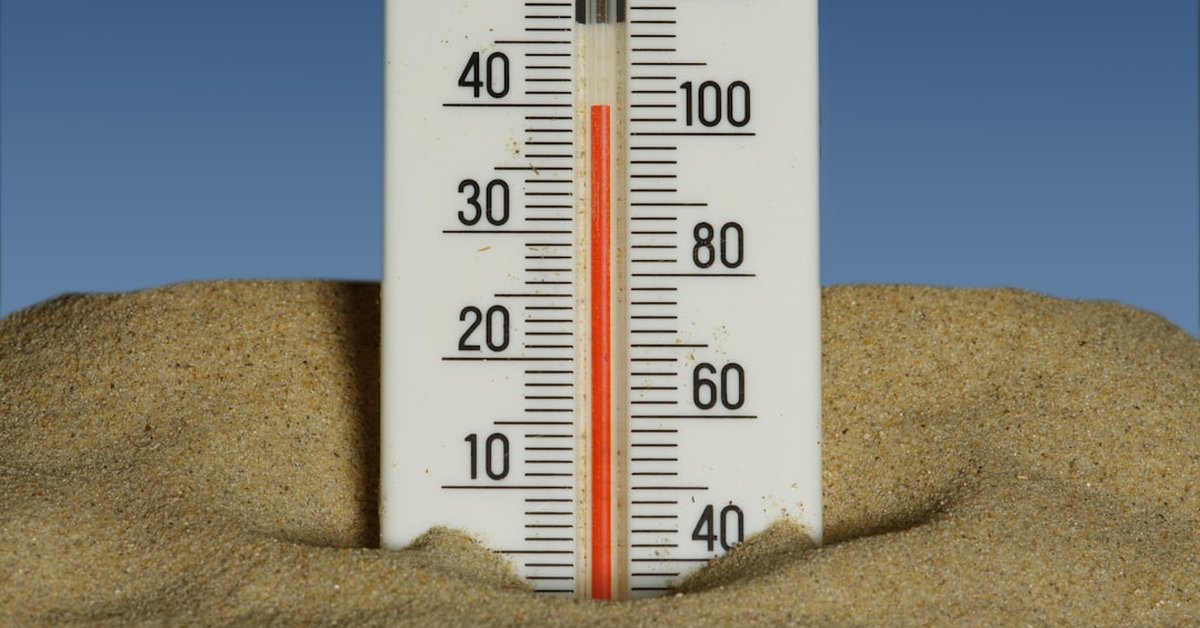
This isn’t just about comfort. It’s about identity. For these parties, AC represents freedom from bureaucratic overreach — a tangible symbol of resistance against what they call “climate totalitarianism.” And they’ve got a point, sort of. When temperatures hit 40°C (104°F) in Barcelona last week, the difference between having AC and not having it wasn’t a matter of preference. It was a matter of survival. Elderly people died in unventilated apartments. Children were hospitalized with heatstroke.
But here’s the rub: air-conditioning is a climate paradox. It cools you down while heating the planet up. AC units guzzle electricity — often from fossil fuels — and release potent greenhouse gases. The International Energy Agency estimates that global energy demand from AC could triple by 2050. So when populists champion AC as a populist cause, they’re essentially advocating for more emissions, more warming, and more heat waves. It’s a vicious cycle, and they don’t seem to care.
How We Got Here: Europe’s Heat Wave History
Europe’s relationship with heat is complicated. The 2003 heat wave killed over 70,000 people — a disaster that shocked the continent into action. But action was slow. Building codes didn’t change fast enough. Urban planning ignored heat islands. And for years, the political conversation focused on winter heating, not summer cooling.
Then came 2022, when Europe experienced its hottest summer in 500 years. Rivers dried up. Nuclear plants shut down for lack of cooling water. And suddenly, air-conditioning wasn’t a niche issue. It was a public health emergency. The BBC reported that heat-related deaths in Europe rose by 30% between 2000 and 2020, with the elderly and low-income communities hit hardest.
Now, in 2024, the heat wave has shifted east — CyclonePost’s coverage of the shifting heat wave includes warnings for travelers and residents alike — and the political response is fractured. Southern Europe wants more AC. Northern Europe wants more trees. And the EU is stuck in the middle, trying to balance energy efficiency with human survival.
The Populist Playbook: Comfort as a Right
Right-wing populists have always been good at turning mundane issues into culture wars. Remember the “toilet paper panic” of 2020? This is similar, but with higher stakes. They’re tapping into a genuine grievance: that climate policies feel elitist, expensive, and out of touch with everyday life.
“When a Green politician tells a factory worker in Milan to just open a window, that’s not a policy — it’s an insult,” says Dr. Elena Marchetti, a political scientist at the University of Bologna. “The populists are exploiting that disconnect. They’re saying, ‘We’ll give you AC. We’ll give you comfort. The Greens will give you guilt.’”
And it’s working. Polling from YouGov shows that support for AC-friendly policies has risen 15% among voters who identify as right-wing since 2020. Meanwhile, left-leaning voters are more likely to support passive cooling — things like reflective roofs, green spaces, and better insulation. The result? A cooling gap that mirrors the political one.
But here’s what the populists don’t tell you: AC isn’t a solution. It’s a Band-Aid. And it’s a Band-Aid that makes the wound worse. NASA data shows that urban heat islands in European cities are intensifying faster than rural areas, meaning that even with AC, cities are becoming unlivable for longer stretches each year.
What This Means for You
If you’re reading this in London, Berlin, or Paris, the heat politics debate isn’t abstract. It’s about whether your apartment will have cooling next summer. It’s about whether your kids’ school will close during heat waves. It’s about whether your elderly parents can afford to run an AC unit that their landlord won’t install.
The populist pitch is seductive: “Vote for us, and we’ll make sure you stay cool.” But the fine print is brutal. More AC means more emissions. More emissions mean more heat. More heat means more AC. It’s a feedback loop that ends with a planet that’s unlivable for everyone — including the populists’ voters.
So what’s the alternative? It’s not sexy. It’s not a rallying cry. It’s better insulation, urban tree planting, reflective building materials, and — yes — some AC, but powered by renewables. It’s the boring, hard work of adaptation. But that doesn’t fit on a campaign poster.
As the mercury rises, so will the rhetoric. The question is whether Europe can find a middle ground — or whether heat politics will tear it apart.
Frequently Asked Questions
Why are right-wing populists in Europe pushing for more air-conditioning?
They frame AC as a basic right that the green establishment is trying to restrict. It’s a populist message that resonates with voters who feel climate policies are elitist and out of touch with their daily struggles, especially during deadly heat waves.
Does air-conditioning actually make climate change worse?
Yes. AC units consume large amounts of electricity — often from fossil fuels — and release potent greenhouse gases. The International Energy Agency warns that global energy demand from AC could triple by 2050, creating a feedback loop where more cooling leads to more warming.
What are the alternatives to air-conditioning in Europe?
Passive cooling methods like reflective roofs, better insulation, green spaces, and urban tree planting can reduce indoor temperatures without emissions. Some cities are also investing in district cooling systems and heat pumps powered by renewables. But these solutions require upfront investment and political will.