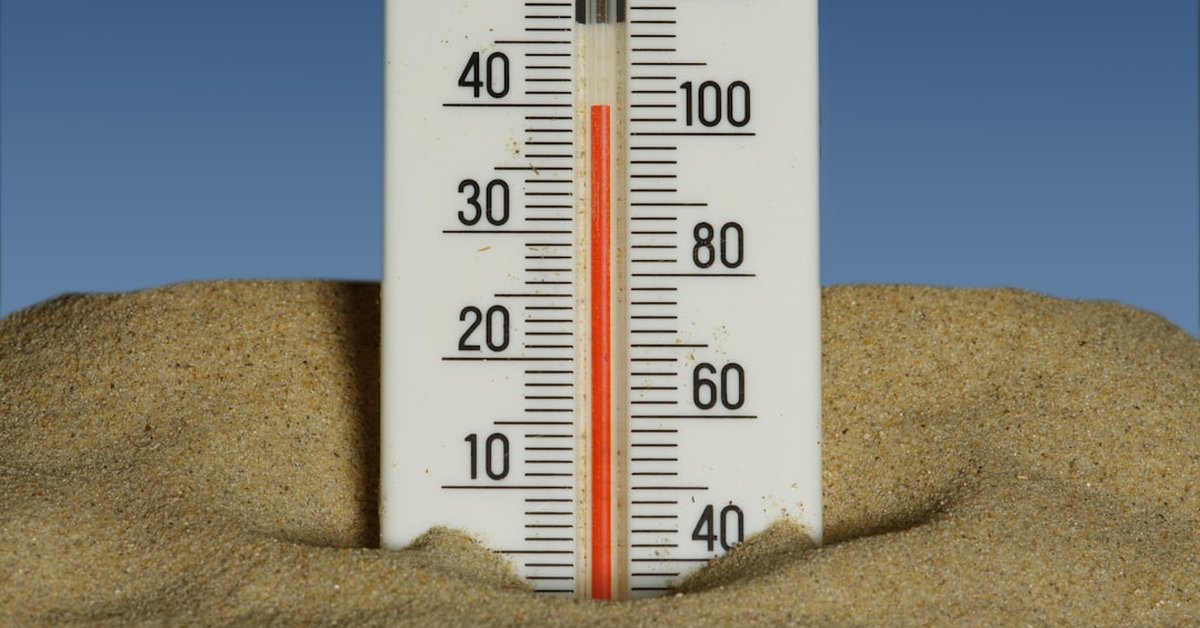





Nobody is talking about the thing that makes this week’s heat wave so dangerous. It’s not just the temperatures — it’s the humidity, the overnight lows, and the timing. Right before July 4, when millions will be outdoors for parades, barbecues, and fireworks, a massive heat dome is settling over the central and eastern United States. And the forecast is grim.
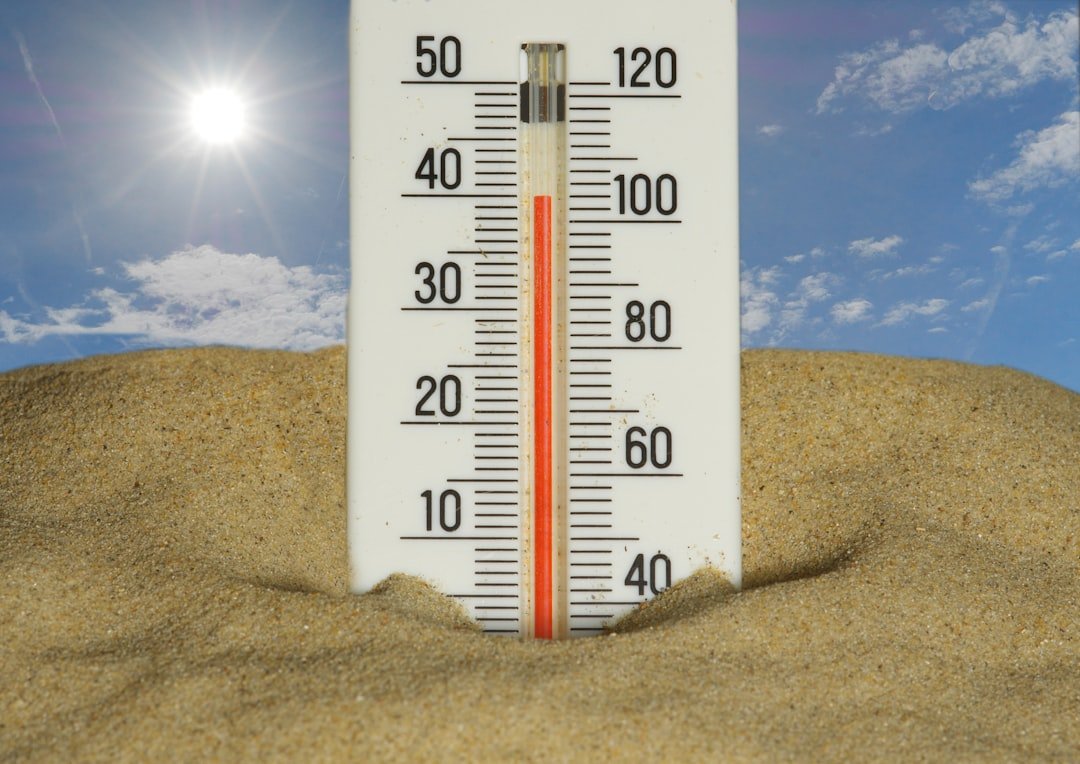
We’re talking about a sprawling ridge of high pressure that will park itself over the Midwest and Northeast, trapping heat like a lid on a pot. Daytime highs will soar into the upper 90s and low 100s from Texas to Maine. But here’s the kicker: nighttime temperatures won’t drop below 75°F in many areas, robbing people of the chance to cool down. That’s when heat becomes deadly.
Day-by-Day Forecast: Where the Heat Hits Hardest
Monday, July 1: The heat dome begins to intensify over the Plains. Kansas City and St. Louis hit 100°F with heat indices near 110. Chicago sees its first 95°F day of the year. Tuesday, July 2: The dome expands east. Washington D.C. and Philadelphia touch 100°F. New York City hits 98°F with oppressive humidity. Wednesday, July 3: Peak of the heat wave. Boston reaches 99°F, breaking a 30-year record. Heat advisories stretch from Minneapolis to Atlanta.
Thursday, July 4 — Independence Day: The worst day for outdoor activity. Temperatures from Richmond to Detroit will feel like 105–110°F by mid-afternoon. Fireworks shows could be canceled in some cities due to heat stress on spectators and staff. Friday, July 5: A cold front finally begins to push in from the west, bringing thunderstorm risks but also relief to the northern tier. The South, however, stays stuck in the oven through the weekend.
This isn’t your run-of-the-mill summer heat. The National Weather Service has already issued excessive heat warnings for over 60 million people. And the duration — four to five consecutive days of extreme heat — is what concerns meteorologists most.
The Hidden Toll: Who Suffers Most?
Heat is the number one weather-related killer in the United States. More than hurricanes, tornadoes, or floods combined. Yet we rarely treat it with the same urgency.
“We’re seeing a ‘silent emergency.’ The cumulative effect of multiple days with high nighttime temperatures is what kills — especially the elderly, those with chronic conditions, and people without air conditioning.”
— Dr. Sarah Johnson, meteorologist at NOAA‘s Climate Prediction Center.
Consider this: in cities like Chicago and Detroit, many low-income neighborhoods lack tree cover and green spaces. They’re urban heat islands, absorbing and radiating heat long after sunset. Outdoor workers — construction crews, delivery drivers, farm laborers — are particularly vulnerable. They can’t just stay inside. Meanwhile, tourists flooding into D.C. and New York for July 4 will be standing on hot pavement for hours, waiting for fireworks.
And it’s not just people. Livestock and pets suffer too. Ranchers in Texas and Oklahoma are scrambling to provide shade and water. The CDC warns that heat stroke can occur in dogs within 15 minutes on a 90°F day. So please, leave your pets at home during the celebrations.
Why This Heat Wave Is Different
We’ve seen heat waves before, obviously. But this one has a nasty combination of factors. First, the humidity. Dew points in the Midwest will hit the mid-70s, making the air feel like a wet blanket. Second, the duration. Three or more consecutive days of heat above 95°F dramatically increases hospital admissions for heat exhaustion and heart attacks. Third, the timing. Everyone wants to be outside for the holiday. That’s a recipe for disaster.
Globally, heat waves are becoming more frequent and intense due to climate change. Just last month, a similar heat dome shattered records across Europe. Our coverage of that event highlighted survival tips that apply equally here: stay hydrated, avoid the sun between 11 a.m. and 4 p.m., and never leave children or pets in cars.
Dr. Michael Torres, a public health professor at the University of Miami, puts it bluntly:
“We’re not adapting fast enough. Our cities were built for a climate that no longer exists. We need cooling centers that are actually accessible, better warning systems, and changes to how we design our infrastructure.”
He points to cities like Phoenix, which started opening overnight cooling shelters this year. But many northern cities — unused to such extreme heat — lack those resources.
And while some places are literally the coolest on Earth — like Dakhla, where temperatures rarely exceed 80°F — most of us in the U.S. are stuck sweltering. So what can you do?
What You Can Do: Survival Tips for the Weekend
First, check on elderly neighbors and relatives. A quick phone call could save a life. Second, know the signs of heat exhaustion: heavy sweating, weakness, cold clammy skin. If someone stops sweating and becomes confused, that’s heat stroke — call 911 immediately. Third, find your local cooling center. Many cities will extend hours through July 4. Fourth, modify your July 4 plans. Attend early morning parades, watch fireworks from the car with AC, or skip the outdoor festivities altogether. It’s not worth a trip to the ER.
The National Weather Service has a comprehensive heat safety guide online. Use it. And please, stay hydrated with water, not sugary drinks or alcohol.
This heat wave will pass — but the lesson shouldn’t. As the planet warms, these events will become more common. We need to treat heat with the same respect we give hurricanes. That means preparing days in advance, not just when the thermometer hits 100.
So as you fire up the grill this July 4, take a moment to think about the silent danger above. The heat wave is here. Don’t ignore it.
Frequently Asked Questions
What is a heat dome?
A heat dome occurs when a strong ridge of high pressure traps hot air over a region, preventing it from escaping. The air sinks and compresses, heating up even more. This can lead to prolonged periods of extreme temperatures, often with little relief at night.
How can I stay safe during the heat wave?
Stay indoors in air conditioning as much as possible, especially between 11 a.m. and 4 p.m. Drink plenty of water, avoid strenuous activity, and wear lightweight, light-colored clothing. Check on elderly or isolated neighbors. Never leave children or pets in parked cars.
Will the heat affect July 4 fireworks?
Yes, some cities may cancel or delay fireworks displays due to heat stress on crowds and increased fire risk from dry conditions. Check with your local municipality for updates. If you attend, bring water, use sunscreen, and seek shade frequently.