





We treat nature as property — something to be owned, used, and discarded when it’s no longer profitable. That’s why Lough Neagh, the largest freshwater lake in the UK and Ireland, is choking on toxic blue-green algae blooms every summer. The crisis isn’t just ecological; it’s legal. The lake is owned by the Earl of Shaftesbury, whose estate leases fishing rights to local companies. And under current law, that’s fine — even when the algal mats feel like you’re walking on a putrid, puke-green carpet. But what if the lake had its own lawyer?
The Rights of Nature movement, which grants ecosystems legal standing akin to a corporation (or a person), is gaining traction globally. Ecuador enshrined it in its constitution. New Zealand’s Whanganui River won personhood. Now advocates in Northern Ireland are asking: could this work for Lough Neagh? It’s not as crazy as it sounds. In fact, it might be the only thing that saves it.
The Algae Apocalypse at Lough Neagh
Lough Neagh isn’t just picturesque — it supplies 40% of Northern Ireland’s drinking water and hosts tens of thousands of migratory birds. But since 2023, it’s been ground zero for an environmental catastrophe. Blooms of Planktothrix agardhii and other cyanobacteria have turned parts of the lake into a neon-green sludge, killing fish, poisoning dogs, and closing beaches. The blooms are caused by agricultural runoff — phosphorus from fertilizers pouring into the lake via six major rivers.
In August 2023, the bloom was so severe that the BBC reported swimmers were treated for rashes and respiratory issues. By 2024, it was worse. The Northern Ireland Environment Agency (NIEA) has limited powers here: they can issue fines, but they can’t force upstream farmers to change practices. Why? Because pollution isn’t illegal if the law sees it as just another cost of doing business. And that’s the problem.
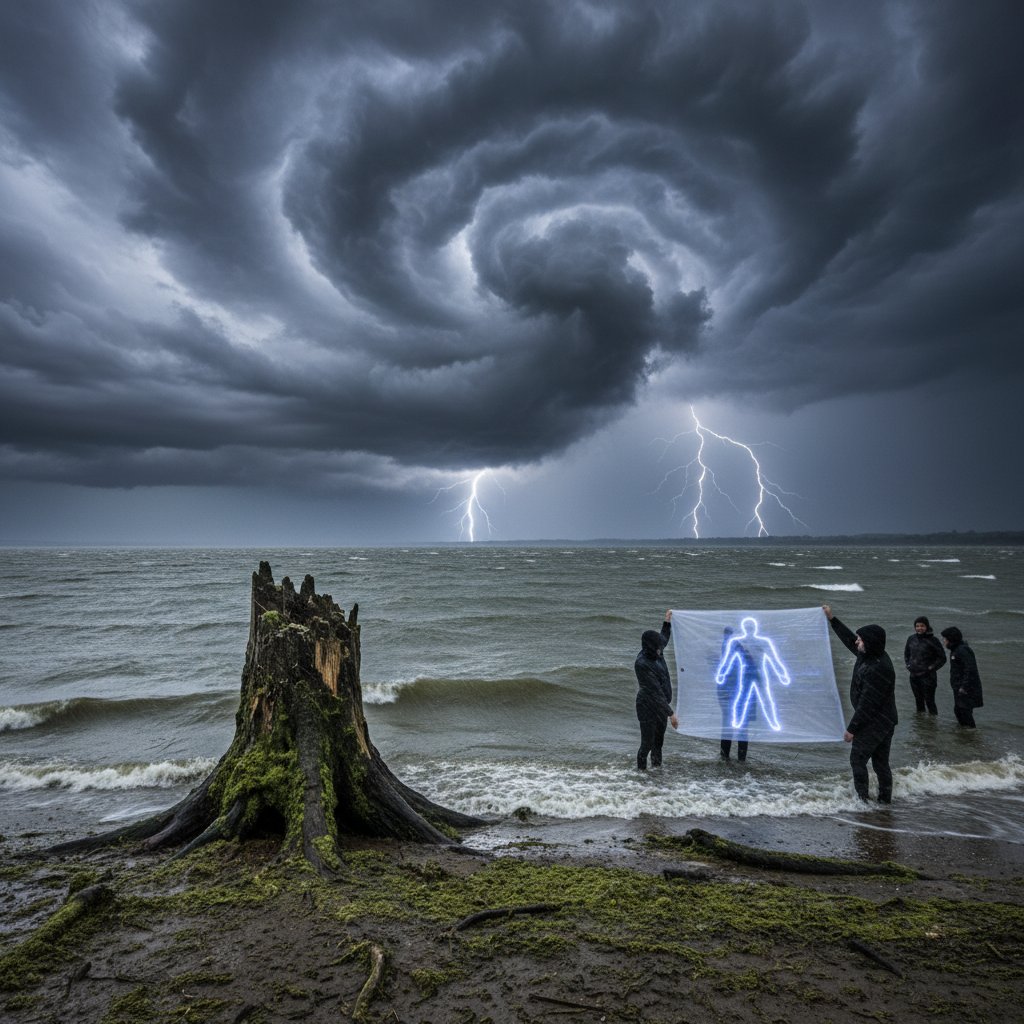
Look, rights-based approaches are not new. They’ve been tested in extreme weather contexts — like when heat domes buckle infrastructure or when freak weather events paralyze cities — but applying them to a static lake is a different beast. Still, the logic holds: if a corporation can claim rights, why can’t an ecosystem?
What ‘Personhood’ Actually Means for a Lake
Granting Lough Neagh legal personhood would mean appointing a guardian — likely a trust or a government body — with the legal authority to represent the lake’s interests in court. That guardian could sue polluters, demand cleanup, or halt destructive activities. Think of it as a lawyer for the water.
Dr. Erin O’Donnell, a leading water law expert at the University of Melbourne, explains: “Rivers and lakes with legal personhood are not treated as objects for human use, but as subjects with their own rights. This shifts the burden of proof. Instead of environmentalists having to prove harm, polluters must prove their actions won’t degrade the ecosystem.”
In New Zealand, the Whanganui River’s personhood was recognized after a 140-year legal battle by the Māori people. Two guardians — one from the government, one from the indigenous community — now act as the river’s voice. Since 2017, water quality has improved, though challenges remain. In Ecuador, the courts have used Rights of Nature to stop mining in cloud forests. It’s not a magic bullet. But it’s a new tool.
Northern Ireland already has a precedent: the 2023 Environment Act includes a duty to “have regard to” the Rights of Nature, but it’s weak and unenforceable. Political inertia is real. The Stormont Assembly collapsed for two years, leaving environmental agencies starved of funding. Meanwhile, the algae kept coming — thick and reeking of rotting eggs.
This is where the striking force of nature meets the slow violence of bureaucracy. The lake doesn’t have a vote, but maybe it should have a voice.
Why This Could Work (and Why It Might Fail)
Proponents argue that personhood would force real accountability — not just voluntary agreements with farmers. The main polluters are intensive dairy and pig farms, which are exempt from certain regulations under a loophole called “agricultural derogation.” In 2022, Northern Ireland’s farmers applied 30% more nitrogen fertilizer than EU limits allow. The lake has simply hit its limit.
But critics warn that personhood could backfire. What if the lake’s guardian sides with developers? What if lawsuits clog the courts? And who pays for the cleanup — estimated at £300 million? These are fair questions. But consider the alternative: doing nothing has already cost millions in lost tourism, fishing revenue (the eel fishery alone is worth £5 million annually), and health costs.
Professor Laura Henderson, a legal scholar at the University of Edinburgh who specializes in environmental justice, says: “Personhood isn’t a silver bullet. But it changes the conversation from ‘how much pollution is acceptable’ to ‘what do we owe the lake?’ That’s a moral and legal shift that could unlock resources and political will.”
There’s also a cultural angle. For centuries, Lough Neagh was revered by local communities — a source of mythology and sustenance. Reclaiming that reverence through law might feel radical, but it’s actually quite old-fashioned. Before property law, there were commons. Before ownership, there was stewardship. Personhood is just a modern way of saying: this matters.
What’s Next for Lough Neagh?
In March 2025, a coalition of environmental groups including Friends of the Earth Northern Ireland and the Lough Neagh Partnership submitted a proposal to the Northern Ireland Assembly calling for a formal inquiry into Rights of Nature for the lake. The response has been mixed. Some MLAs are intrigued; others accuse them of importing “American nonsense.” But the idea won’t die.
Meanwhile, the record-breaking heat of summer 2024 only worsened the blooms. Warmer water accelerates cyanobacteria growth. If climate projections hold, Lough Neagh could be a dead zone within a decade. The personhood proposal may seem like a legal novelty — but it’s born of desperation. We’ve tried fines. We’ve tried voluntary schemes. We’ve tried prayer. Now the lake itself might demand a seat at the table.
Frequently Asked Questions
- Q: Does legal personhood mean Lough Neagh can be sued?
- A: Technically yes, but practical protections are built in. Guardians would likely have immunity from most claims. The model follows the same logic as corporate personhood — a legal fiction that allows an entity to have rights and responsibilities without being a human being.
- Q: How would personhood differ from current environmental protections?
- A: Currently, the lake is legally considered property. That means any legal action to protect it must come from someone who can show personal harm. With personhood, the lake itself can sue — via a guardian — for damages to its own ecosystem. This radically simplifies enforcement.
- Q: Could this law block farmers from using fertilizers?
- A: Not directly, but it would make them legally liable for nutrient runoff that causes algae blooms. Farmers would need to prove their practices don’t harm the lake, rather than regulators having to prove they do. This ‘shift in burden’ is the most controversial part of the proposal — but also its greatest strength.