

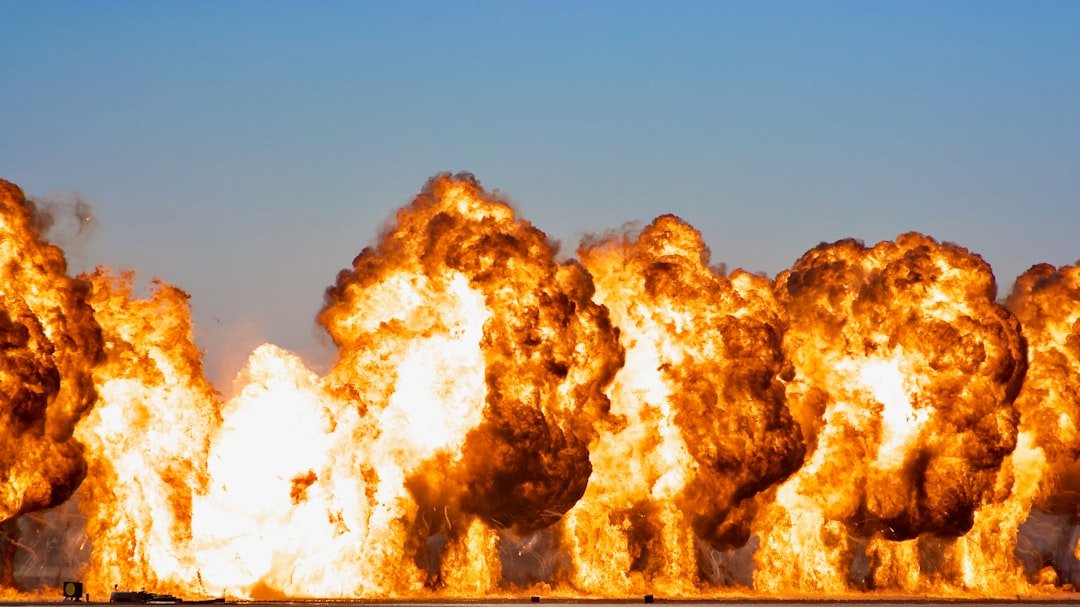
For millions of Americans, the Fourth of July means barbecues, beer, and a sky lit up with dazzling colors. But for the residents of Washington, D.C., this year’s celebration promises something else entirely: hours of thick smoke, panicked pets, and a brutal assault on air quality. Organizers are pushing for a world-record fireworks display on the National Mall, and while the spectacle might be breathtaking, the fallout — literally — is raising alarms among veterinarians, zookeepers, and public health experts.
The plan? Launch an unprecedented number of shells — some reports suggest over 100,000 individual pyrotechnic devices — in an attempt to shatter the current Guinness World Record for the largest fireworks show. The current record, held by a display in Kuwait in 2022, involved over 77,000 shells. D.C. wants to top that. But here’s the thing nobody’s saying on the mall: all that gunpowder doesn’t just vanish. It turns into particulate matter — tiny, inhalable particles of heavy metals, sulfur compounds, and perchlorates — that hangs in the air for hours. And with a heat wave already smothering the region, the conditions are perfect for trapping that toxic haze close to the ground.
Your Dog Isn’t Just Scared — It’s Suffering
Let’s start with the most visceral impact. Animal shelters across the D.C. metro area report a 40 to 60 percent spike in lost pet reports every July 5. Dogs bolt at the first boom, crash through screens, dig under fences. But it’s not just noise anxiety. Fireworks produce a chemical cocktail that settles on fur and paws, and when dogs groom themselves, they ingest it. Vets at the District’s Friendship Hospital for Animals have treated cases of vomiting, diarrhea, and neurological tremors linked to fireworks residue in years past. And this year’s display will be double the size of the 2023 show that already sent dozens of pets to emergency clinics.
“We’re looking at an event that combines acoustic trauma, chemical exposure, and heat stress,” says Dr. Emily Hartfield, a veterinary toxicologist at the University of Maryland. “Dogs have hearing four times more sensitive than ours. Those explosions at close range can cause permanent hearing damage. And the smoke? It’s like making them breathe in a diesel exhaust cloud for three hours straight.” Hartfield notes that brachycephalic breeds — pugs, bulldogs, Boston terriers — are especially vulnerable because they already struggle to breathe. Toronto’s 36°C Felt Like 45: Dew Point Hits 25°C in Steamy Blast offers a parallel to the oppressive humidity D.C. is experiencing this week, which compounds respiratory distress in both humans and animals.
Zoo Animals Under Siege
The National Zoo, located just two miles from the National Mall, has already announced it will close early on July 4 and move some of its most sensitive animals — including giant pandas, elephants, and great apes — into indoor enclosures with soundproofing. But there’s only so much you can do when the sky erupts for over an hour. Zoo staff have been training the animals for weeks with recorded fireworks sounds, but the real thing is a different beast entirely.
“The elephants at our facility have been known to sway violently and become aggressive during fireworks,” says Dr. Marcus Chen, the zoo’s director of animal behavior. “They can hear infrasonic frequencies we can’t — those low booms travel through the ground and vibrate in their feet. It’s disorienting and terrifying.” Chen adds that the smoke plumes from a record-breaking show could drift directly into the zoo’s outdoor habitats, exposing animals to particulate levels that exceed EPA safety standards for humans. “We’re not just worried about stress. We’re worried about actual lung damage.”
It’s not just D.C. either. Zoos across the country have shifted toward laser shows or drone displays in recent years — the Calgary Zoo switched to drones permanently in 2022 after a particularly bad incident. But the nation’s capital seems stuck on tradition. The irony? D.C.’s own Heat Wave Spreads East on Wednesday as 160 Million Brace for Record Fourth of July means that the air will already be thick with ozone and pollen before the first mortar even launches.
Asthma Patients: Cancel Your Plans
For the roughly 300,000 D.C. residents with asthma, July 4 is already a day to dread. The combination of heat, humidity, and fireworks smoke creates a perfect storm for asthma attacks. Emergency room visits for respiratory distress spike 50 to 100 percent on July 5 in cities with major displays, according to a 2023 study in the Journal of Environmental Health. The study specifically measured PM2.5 — tiny particles that penetrate deep into the lungs — and found levels in D.C. during the 2022 fireworks reached 500 micrograms per cubic meter. The EPA’s “hazardous” threshold is 250. They doubled it.
“We’re going to see people coming in with chest tightness, wheezing, and coughing fits that last for days,” says Dr. Anita Patel, a pulmonologist at MedStar Washington Hospital Center. “And it’s not just the acute effect. Those heavy metals — barium, strontium, copper — accumulate in lung tissue over time. We’re still studying the long-term consequences of annual exposure.” Patel advises anyone with asthma or COPD to stay indoors with windows sealed and air purifiers running from 8 p.m. until at least 3 a.m. July 5. “Don’t go watch the show. It’s not worth it.”
And what about the world record itself? The Guinness World Records organization requires rigorous documentation: video evidence, witness statements, independent judges. Organizers say they’re prepared. But the cost of that record is measured not in dollars, but in lost pets, stressed animals, and wheezing children. The American Veterinary Medical Association has called for a ban on consumer fireworks in residential areas, and several cities — including Los Angeles and Denver — have replaced major displays with drone shows. D.C. is not among them.
The Bigger Picture
Look, nobody’s saying we should cancel the Fourth of July. But there’s a conversation happening in urban planning and emergency management circles about whether tradition should outweigh public health and animal welfare. D.C. officials could easily scale back the display and still put on a spectacular show. They could switch to quieter, low-smoke fireworks — yes, those exist — or combine a smaller pyrotechnic show with a drone light display, as they did in 2020. But the world record push is driven by tourism dollars and media attention, not by what’s best for the community.
So what does this mean for you, the reader? If you live in the D.C. metro area, prepare. If you have a dog, invest in a Thundershirt, talk to your vet about anti-anxiety medication, and don’t leave your pet outside unattended. If you have asthma, stock your inhaler and check the air quality index before stepping out. If you’re a wildlife enthusiast, know that the smoke will settle in the Potomac basin and affect birds, fish, and small mammals for days. And if you’re just a fan of big explosions and patriotic fervor? Maybe ask yourself: is a world record worth a city full of terrified animals and struggling lungs?
The record might stand for a year or two. But the scars — emotional and physical — will last much longer.
Frequently Asked Questions
Are there any fireworks that are less harmful to pets and the environment?
Yes. “Quiet fireworks” and low-smoke fireworks are available, though they are not widely used in large public displays. Some manufacturers have developed drones with LED lights that create patterns without any explosions, noise, or smoke. A few cities in the UK and Australia have already adopted drone shows for major holidays. However, D.C. has not committed to switching to these alternatives for the Fourth of July.
What should I do if my dog has a severe reaction to fireworks?
If your dog is showing signs of extreme distress — trembling, panting, drooling, hiding, or attempting to escape — remove them to a quiet, interior room with no windows. Close curtains and play white noise or calming music. Contact your veterinarian or an emergency animal hospital if symptoms persist. Never give your dog human anxiety medication without a vet’s approval; some can be toxic. Some vets recommend melatonin or prescription sedatives for known noise-phobic dogs.
How long does fireworks smoke stay in the air after the show?
Particulate matter from fireworks can remain in the air for 4 to 12 hours after the display ends, depending on weather conditions. On calm, humid nights — like those forecast for D.C. this July 4 — the smoke can linger near ground level until sunrise. Air quality monitors often show PM2.5 levels returning to normal by midday on July 5, but people with respiratory conditions may continue to experience symptoms for 24 to 48 hours after exposure.