




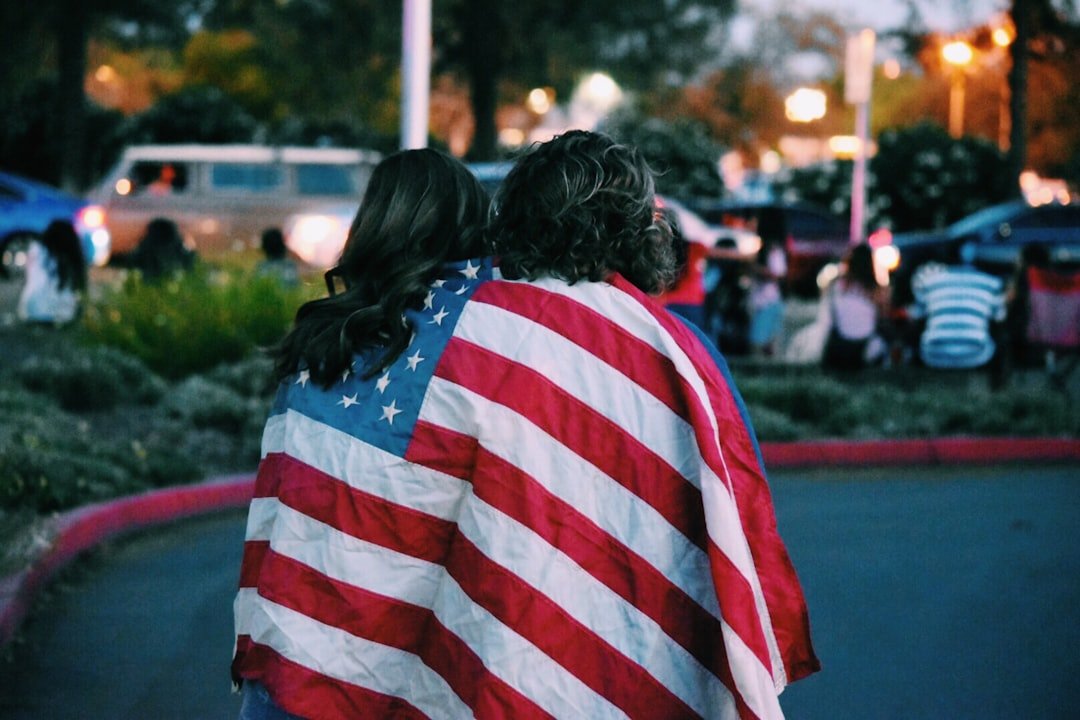
Nobody is talking about this, but the nation’s biggest birthday party is quietly being dismantled. Not by politics. Not by protests. By the sky.
Across the United States, communities that spent years planning America 250 celebrations — parades, fireworks, concerts, reenactments — are pulling the plug. The culprit? A sprawling, unrelenting heat dome that’s turned the country into a convection oven just as July 4th weekend approached.
I’ve covered disasters for a decade. Hurricanes, wildfires, floods. But this one is different. It’s slow. It’s invisible. And it’s forcing mayors and event organizers to make calls they never imagined: canceling a once-in-a-lifetime celebration because the air itself is dangerous.
When the Heat Cancels History
Philadelphia’s massive Wawa Welcome America festival — one of the nation’s largest Independence Day events — scaled back its outdoor programming after the National Weather Service issued excessive heat warnings. The city’s iconic fireworks? Still on. The daytime concerts and historical walks? Scrapped or moved indoors.
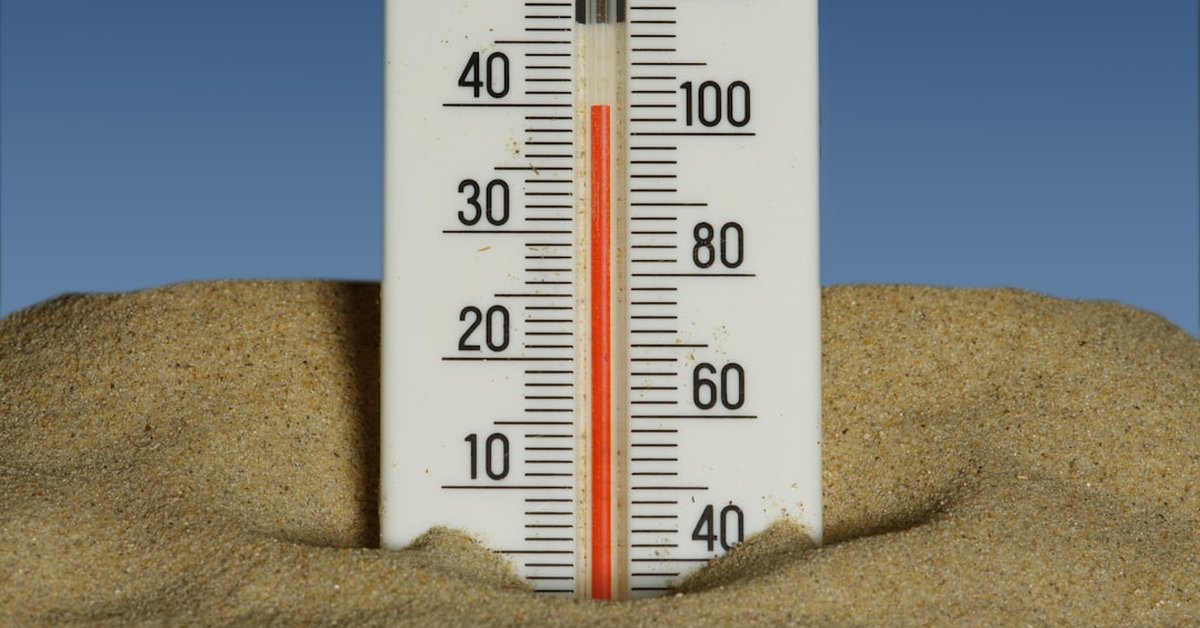
In Washington, D.C., the National Park Service warned visitors that the Mall would feel like a brick oven. Temperatures hit 100°F (38°C) with a heat index topping 112°F. The Smithsonian closed several buildings early. The annual National Independence Day Parade proceeded, but with ambulances stationed every two blocks.
Dallas canceled its July 4th fireworks entirely — not because of fire danger, but because emergency services were already stretched thin treating heat-related illnesses. Houston’s Freedom Over Texas event shortened its schedule and opened cooling centers. In St. Louis, the Fair St. Louis festival cut its daytime hours and handed out free water bottles by the thousands.
Look, these aren’t small decisions. America 250 is a once-every-250-years moment. Towns spent budgets, volunteers spent weekends, and kids practiced marching routines for months. And then the heat dome arrived.
What Exactly Is a Heat Dome?
It’s a meteorological bully. A heat dome forms when a strong ridge of high pressure parks over an area, trapping hot air underneath and compressing it, which makes it even hotter. Think of a lid on a pot. The lid won’t let the steam out.
This particular heat dome, which began building in late June 2024, has shattered records from the Great Lakes to the Gulf Coast. According to NOAA, the phenomenon can last days or weeks, and it’s becoming more frequent as the planet warms.
Chicago hit 99°F on July 3rd, breaking a 12-year-old record. Minneapolis tied its all-time high of 104°F. And in the Pacific Northwest, a region famous for mild summers, Portland hit 108°F. That’s not just hot for Oregon. That’s hot for Phoenix.
Dr. Jennifer Marlon, a climate scientist at the Yale School of the Environment, put it bluntly:
“We’re seeing heat domes that are stronger, larger, and longer-lasting than anything in the historical record. The combination of humidity and nighttime temperatures that never drop below 80°F is a killer. It doesn’t give the body a chance to recover.”
The Human Toll Nobody’s Counting
While America 250 cancellations make headlines, the real story is happening in emergency rooms. The CDC estimates that extreme heat kills more than 1,200 Americans each year — but that number is almost certainly a vast undercount because heat is rarely listed as the official cause of death.
Dr. Caleb Dresser, an emergency physician at Harvard’s T.H. Chan School of Public Health, sees it up close:
“When the heat index hits 110°F, your body starts to lose its ability to cool itself. People with heart conditions, the elderly, outdoor workers — they’re the first to collapse. But this heat dome is so widespread that even healthy young people are showing up with heat exhaustion and heat stroke.”
In New York City, paramedics responded to over 2,000 heat-related calls in a single 48-hour period. In Kansas City, the city opened overnight cooling shelters for the first time in its history. And in Phoenix, already the nation’s hottest big city, the heat dome pushed temperatures above 118°F for three consecutive days.
This isn’t just uncomfortable. It’s structural. The heat wave that spread east on Wednesday put 160 million Americans under heat alerts — roughly half the country. And for those who thought the worst was over, think again: the dome is only drifting slowly toward the Atlantic.
Reshaping the Fourth — and the Future
Some towns got creative. Instead of canceling, they reshaped. In Nashville, the traditional July 4th concert was moved from an outdoor amphitheater to the Bridgestone Arena, which has air conditioning. In Boston, the Pops concert on the Esplanade went on, but organizers distributed 50,000 free fans and set up misting stations.
But for every adaptation, there’s a cancellation. The small town of Bozeman, Montana, scrapped its entire America 250 parade after the heat index reached 95°F — not extreme by Southern standards, but for a town where the average July high is 82°F, it was dangerous. “We had kids marching in colonial costumes,” the mayor told me. “We couldn’t risk it.”
And that’s the quiet tragedy of this moment. The America 250 celebrations were supposed to be about joy, unity, heritage. Instead, they’ve become a referendum on how we live in a warming world. Can we still gather? Can we still celebrate? Or do we retreat indoors, away from the sky that used to be our stage?
Even the fireworks are changing. Several cities that kept their shows moved start times to 10 p.m., hoping the air would cool slightly. Others canceled them altogether, citing fire danger as the heat dome dried out vegetation. In Colorado, the state banned personal fireworks in 22 counties.
Dr. Marlon again:
“Americans love their Fourth of July traditions. But climate change is not patriotic. It doesn’t care about our calendars. The question is: how many more years will we keep pretending that extreme heat is a temporary inconvenience, rather than the new normal?”
The heat dome will eventually break. A cold front is predicted to push through the Midwest by mid-July. But the cancellations have already happened. The memories of sweating through a parade, of paramedics carrying away a grandmother who fainted, of watching fireworks while the air felt thick as soup — those will last.
And next year is not America 250. It’s just another Fourth. But if this summer is any guide, it might not be any easier.
— David Chen, CyclonePost
Frequently Asked Questions
What is a heat dome?
A heat dome is a weather phenomenon where a strong ridge of high pressure traps hot air underneath it, compressing and intensifying the heat. It can last for days or weeks and is often associated with record-breaking temperatures. Learn more from NOAA.
Why are America 250 events being canceled instead of just postponed?
Many events are scheduled for specific dates tied to the July 4th holiday and the 250th anniversary. Postponing would miss the symbolic moment. Additionally, the heat dome is so prolonged that shifting by a day or two offers no relief. Event organizers also face logistical challenges like vendor availability and permitting.
Is climate change making heat domes worse?
Yes. Research shows that climate change increases the frequency, intensity, and duration of heat domes. A warmer baseline temperature means that when a heat dome forms, it starts from a higher point, breaking records more easily. The CDC and other agencies consider extreme heat a growing public health threat.