





The heat is here. And it’s not leaving anytime soon.
More than 160 million Americans are under extreme heat warnings or heat advisories as a sprawling heat dome shifts eastward Wednesday, threatening to break temperature records from the Great Lakes to the Mid-Atlantic just days before the Fourth of July holiday. It’s a dangerous setup — and one that climate scientists say is becoming eerily routine.
Look, heat waves aren’t new. But this one is different. It’s vast. It’s persistent. And it’s hitting a population that is, frankly, not used to this kind of sustained thermal assault.
The Numbers Are Staggering
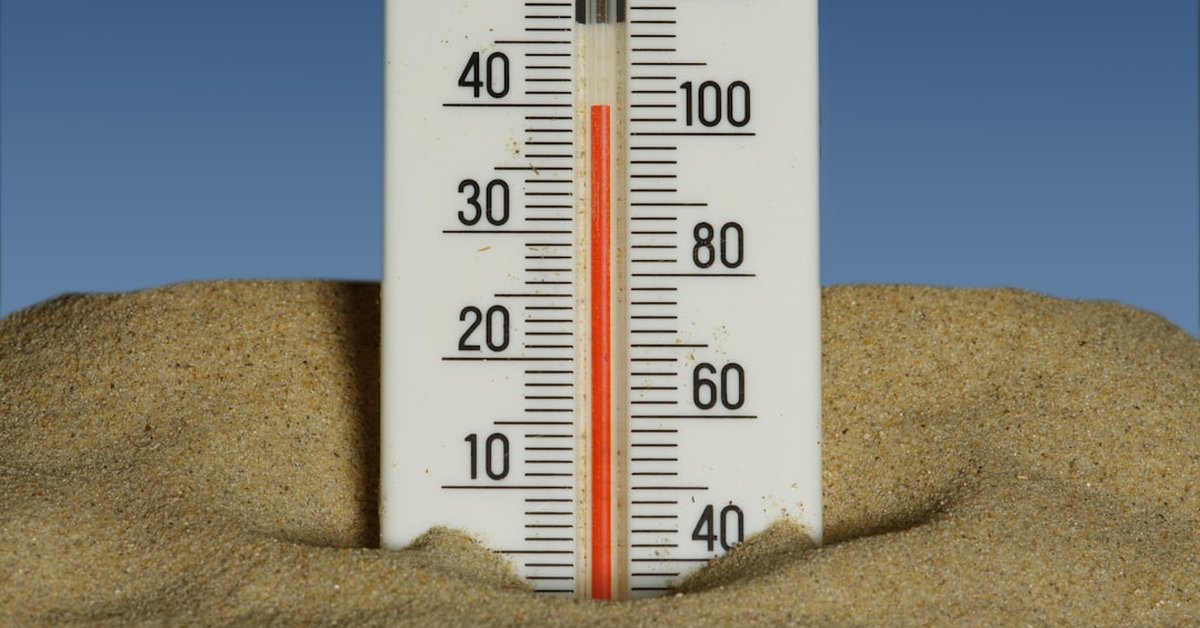
By Wednesday afternoon, heat indices across the Ohio Valley and Northeast are expected to push past 100°F (38°C). In places like Pittsburgh, Philadelphia, and even parts of upstate New York, the National Weather Service has issued an unusual raft of excessive heat warnings — reserved for the most extreme events. Boston could see its hottest day of the year so far. Washington D.C. might not dip below 80°F at night. And that’s the part that kills people.
“Nighttime temperatures are the silent killers,” says Dr. Elena Martinez, a climate health researcher at Columbia University. “When the body can’t cool down overnight, heat stress accumulates. By day three or four, you’re looking at a public health emergency.”
Already, emergency rooms in St. Louis and Chicago have reported spikes in heat-related illnesses. And we’re only scratching the surface. The CDC’s heat guidance advises staying indoors during peak hours, drinking water even if you aren’t thirsty, and checking on elderly neighbors. Simple stuff. But when 40 million people are under warnings simultaneously, simple gets complicated.
What’s Driving This? Blame the Heat Dome
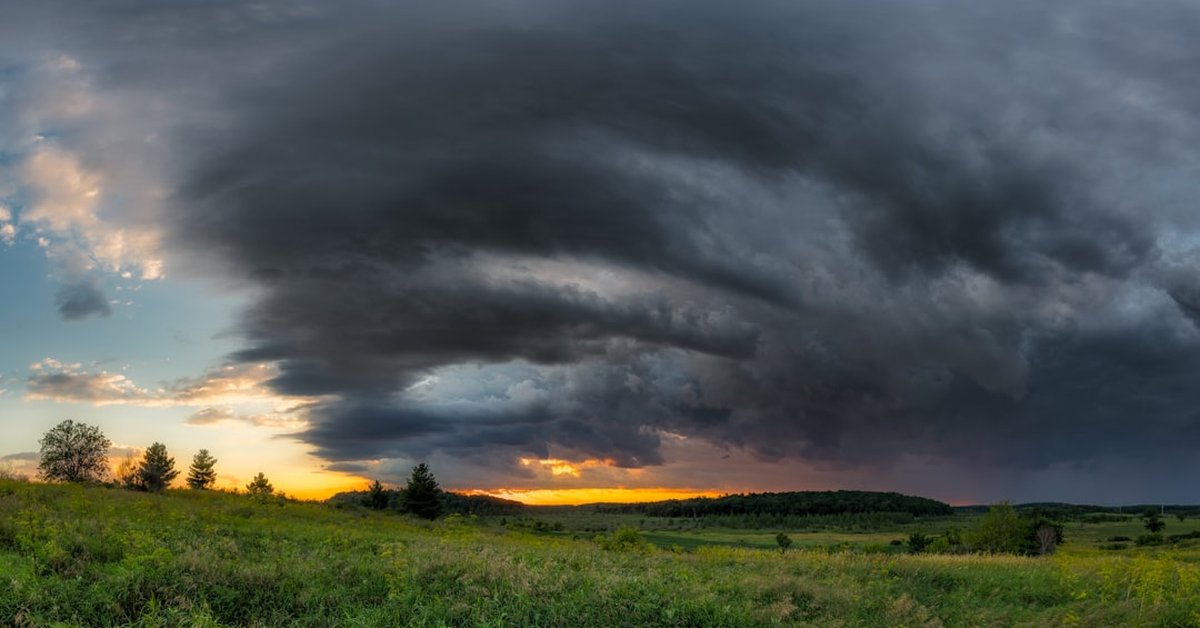
A heat dome is exactly what it sounds like — a massive ridge of high pressure that parks over a region, trapping hot air like a lid on a pot. This one first parked over the Southwest, where Phoenix hit 115°F last week. Now it’s sliding east.
Denver broke a 142-year-old record on Tuesday, hitting 102°F. Omaha saw heat indices of 112°F. In Kansas City, folks were warned not to touch metal playground equipment without gloves. That’s not hyperbole — that’s the National Weather Service telling people to avoid burns.
What’s new isn’t the mechanism — it’s the scale. A 2023 study in Nature Communications found that heat domes are occurring more frequently and lingering longer than they did in the 1970s. The connection to global warming? Direct. Warmer baseline temperatures mean these domes have more heat energy to draw from — and less incentive to break up.
So here we are. A Fourth of July weekend where millions will try to grill, watch fireworks, and cool off in pools — all under a blanket of air that feels a lot like opening an oven door.
A History of Heat Waves — and What This One Echoes
This isn’t the deadliest heat wave in U.S. history. That grim title belongs to 1995, when a five-day siege in Chicago killed more than 700 people. Or 1980, when a similar heat dome across the South killed 1,700. But those were singular events. We’re now seeing these recur every two or three years.
“Every decade since the 1980s has been warmer than the last,” notes Dr. Marcus Okonkwo, a climatologist at the University of Michigan’s School for Environment and Sustainability. “What we’re seeing in 2024 isn’t an anomaly — it’s the new normal. The question is whether our infrastructure and public health systems can keep pace.”
That’s a real question. Because while we’ve gotten better at forecasting, we haven’t gotten better at adapting. Power grids are straining. In Ohio, regional grid operators have already asked residents to voluntarily conserve electricity between 4 p.m. and 8 p.m. this week. Similar calls went out in New England on Tuesday.
And then there’s the human toll. A 2024 Associated Press analysis found that heat kills more Americans annually on average than hurricanes, floods, and tornadoes combined. Yet it rarely gets the same urgent coverage until a holiday like the Fourth of July forces the issue.
What You Need to Do Right Now
If you’re in the path of this heat wave — and if you live east of the Mississippi, you probably are — here’s the drill. Stay hydrated. Avoid outdoor activity between noon and 6 p.m. Never leave children or pets in parked cars. And check your air conditioning status. Window units can be bought same-day at most hardware stores, but they’re selling out fast.
Local cooling centers are opening across the region. New York City is extending pool hours. Boston has declared a heat emergency through Friday. Philadelphia is distributing water bottles at transit stations.
And if you’re planning to watch fireworks? Do it from a shaded spot. Or better yet, live stream it from your couch. Your body will thank you.
Look, I get it — the Fourth of July is about celebration. But this heat wave shows no respect for holidays. It doesn’t care about your cookout or your parade. And as the climate continues to warm, these events will only become more common. The record-breaking heat dome we covered earlier this week is still intensifying. It’s not just a weather story anymore. It’s a survival story.
The real test comes Friday. By then, the heat dome will be fully parked over the East Coast. If you haven’t prepared yet, you’re running out of time.
Frequently Asked Questions
Q: Why is this heat wave so dangerous compared to others?
A: The combination of geographic scope (affecting over 160 million people), high nighttime lows preventing recovery, and the extended duration through the holiday weekend makes it particularly dangerous. Prolonged heat stress strains the heart and kidneys, especially in vulnerable populations like the elderly and those without air conditioning.
Q: How does climate change affect heat waves?
A: Climate change raises baseline temperatures, which means heat waves start from a warmer starting point. This intensifies both the daytime highs and nighttime lows. Studies show that human-caused warming has made events like this one at least 10 times more likely compared to a pre-industrial climate.
Q: What should I do if I can’t afford air conditioning?
A: Contact your local health department for free cooling center locations. Many cities open public libraries, community centers, and even sports arenas as cooling shelters during extreme heat events. Fans alone aren’t sufficient when heat indices exceed 100°F — you need to get to an air-conditioned space for at least a few hours each day.