






You might think summer heat is just a seasonal inconvenience — something to grumble about while cranking up the AC. But this year, it’s different. Meteorologists are tracking a sprawling, dangerous heat dome that’s about to settle over the central and eastern United States, and it’s not your typical sticky July afternoon. This is the kind of heat that bends train tracks. The kind that makes asphalt soft. And for millions of people, it could be deadly.
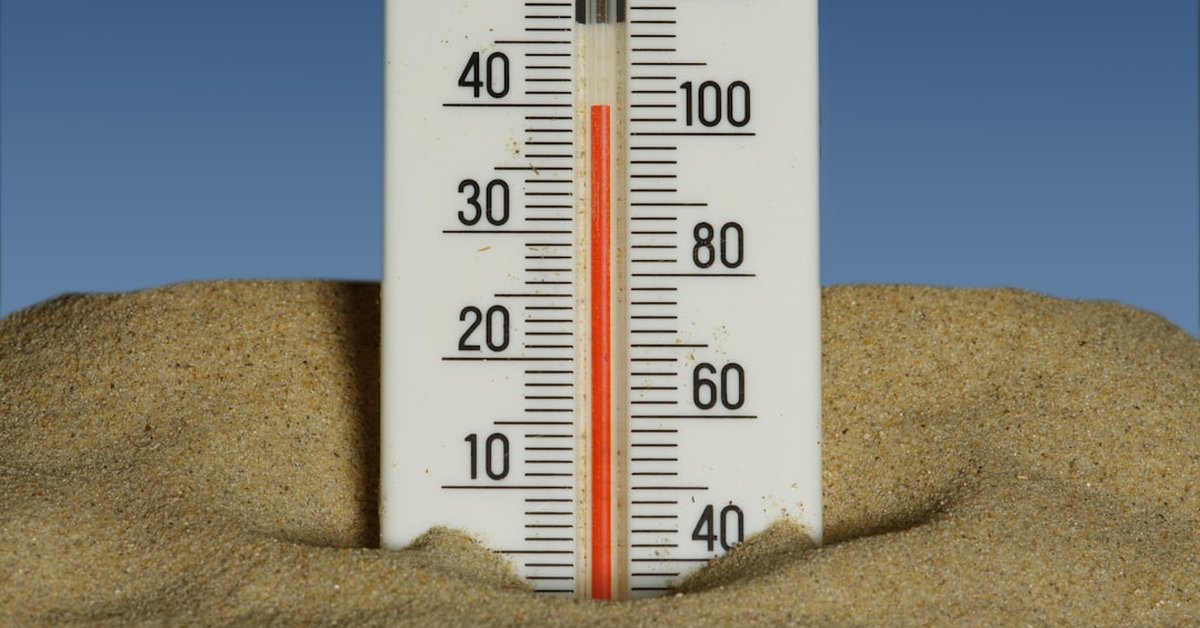
Temperatures are forecast to soar past 100°F (38°C) from the Great Plains to the Mid-Atlantic, with heat index values — what it actually feels like outside — pushing 115°F (46°C) in some cities. We’re talking about a multi-day event starting July 15 through at least July 20, covering a swath of the nation home to over 150 million people. This isn’t a drill.
So get set to sweat. But more than that, get set to prepare.
The Anatomy of a Heat Dome
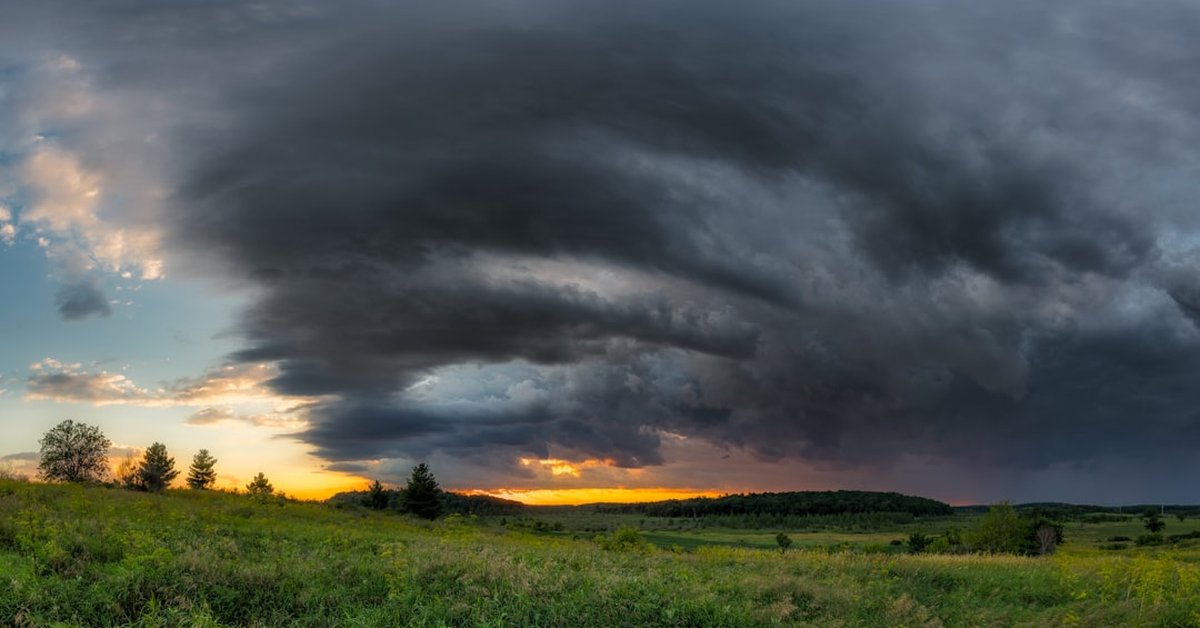
Here’s how this works: a strong ridge of high pressure parks itself over a region and refuses to budge. It acts like a lid on a pot, trapping hot air beneath it and compressing it, which makes the air even hotter. Think of it as a massive atmospheric oven. The National Weather Service has already issued excessive heat watches and warnings from Nebraska to New Jersey.
“This setup is textbook for a prolonged heat event,” says Dr. Emily Foster, a climatologist at the University of Oklahoma. “The upper-level pattern is incredibly stagnant. When you combine that with drought conditions in the Midwest and soil moisture deficits — you get a feedback loop. The ground gets hotter, the air gets hotter, and there’s no relief at night.”
And here’s the kicker: nighttime lows are projected to stay in the upper 70s to low 80s. That means no cool-down period for the body to recover. For the elderly, the homeless, and people without air conditioning — that’s a recipe for heat stroke.
Interestingly, the National Weather Service recently experienced a temporary site outage that disrupted access to critical heat safety information last month. While service has been restored, it’s a reminder that even our most trusted sources can be vulnerable when we need them most.
Who’s in the Crosshairs?
Let’s be specific. Cities like St. Louis, Chicago, Indianapolis, Kansas City, and even New York City are in the danger zone. The heat dome is expected to peak around July 17-19, when actual air temperatures in places like Topeka, Kansas, and Des Moines, Iowa, could hit 108°F. The humidity will make it feel like a sauna wrapped in a blanket.
But it’s not just the big cities. Rural communities — where shade is scarce and farmworkers are out in the fields — will be hit hard. “We see a disproportionate impact in agricultural regions,” says Maria Torres, a public health researcher at the CDC’s Climate and Health Program. “Farm laborers, many of whom are undocumented and lack access to cooling centers, are at extreme risk. We documented over 70 heat-related fatalities in the 2023 Texas heat wave alone.”
And look — this isn’t some distant threat. The Reuters report on the 2025 heat wave forecast highlights that power grids are already under stress. The North American Electric Reliability Corporation (NERC) has warned of potential rolling blackouts across the Midwest and East Coast if demand spikes.
So what does that mean for you? Your air conditioner might keep the house cool — but only if the grid holds. And if it doesn’t? Well, we’ve seen this movie before: the Winter Storm Warning earlier this year showed us how quickly infrastructure can fail. Heat is just as disruptive, just quieter.
What You Can Do (And What the Government Isn’t)
Let’s cut through the noise. Here’s the real talk: you need a plan. Not a vague idea — a plan. Check on elderly neighbors. Know where your local cooling center is. And for God’s sake, don’t leave kids or pets in parked cars, even for “just a minute.” On a 100°F day, a car’s interior can reach 140°F in under ten minutes.
Hydrate with water, not soda or beer. Wear light-colored, loose clothing. Limit outdoor activities to early morning or late evening. And if you start feeling dizzy or nauseous — get inside immediately. Those are early signs of heat exhaustion.
On the government side, it’s mixed. Some cities are opening cooling centers and distributing fans. Others? Not so much. Federal emergency management has been criticized for not acting fast enough on extreme heat events, which now kill more Americans annually than hurricanes, floods, and tornadoes combined. Dr. Foster notes, “We treat heat like a weather story, not a disaster. But it’s the deadliest weather phenomenon we face. The policy response hasn’t caught up to the science.”
There’s also a psychological toll. Climate anxiety — the gnawing fear that things are getting worse — is real. A recent BBC article on climate anxiety shows how younger generations are feeling overwhelmed by the frequency of extreme events. But anxiety isn’t action. Use it as fuel to push for better preparedness in your community.
The Bigger Picture: A World That Keeps Heating Up
This heat wave isn’t an isolated event. It’s part of a pattern. Globally, 2024 was the hottest year on record, and 2025 is on track to be close behind. The oceans are record-warm, atmospheric moisture is higher, and these heat domes are becoming stickier — they park and linger longer. The science is unambiguous: climate change is loading the dice for extreme heat.
What does that mean for the future? For starters, the “new normal” is going to be hotter than the old normal. Cities will need to invest in reflective roofs, green spaces, and better emergency cooling. Power companies will have to harden the grid. And individuals will need to rethink how they live and work during summer months.
But here’s the forward-looking part: there are solutions. Early warning systems are improving. Heat action plans in places like Phoenix and Miami are being copied worldwide. And the World Health Organization has called for heat to be classified as a notifiable disease — meaning hospitals would have to report heat-related illnesses like they do for flu or COVID-19. That data would save lives.
So yes, get set to sweat. But don’t just sit there and take it. Prepare. Demand better from your leaders. And remember: heat is silent, but it doesn’t have to be invisible.
Frequently Asked Questions
How long will this heat wave last?
The current forecast shows the heat dome lingering from approximately July 15 through July 20, 2025. However, heat waves of this nature can extend if the high-pressure system stalls. Keep an eye on local NWS updates for real-time changes.
What is the difference between a heat advisory and an excessive heat warning?
A heat advisory is issued when heat index values are expected to reach 100-105°F for less than three hours per day. An excessive heat warning — which is more serious — is issued when the heat index exceeds 105°F for two consecutive days or longer. The current event involves warnings in multiple states.
Is this heat wave linked to climate change?
Yes, climate scientists have established that human-caused global warming increases the frequency, intensity, and duration of heat waves. A warming atmosphere holds more moisture, which amplifies the heat index. Attribution studies have shown that many recent extreme heat events would have been virtually impossible without climate change.