




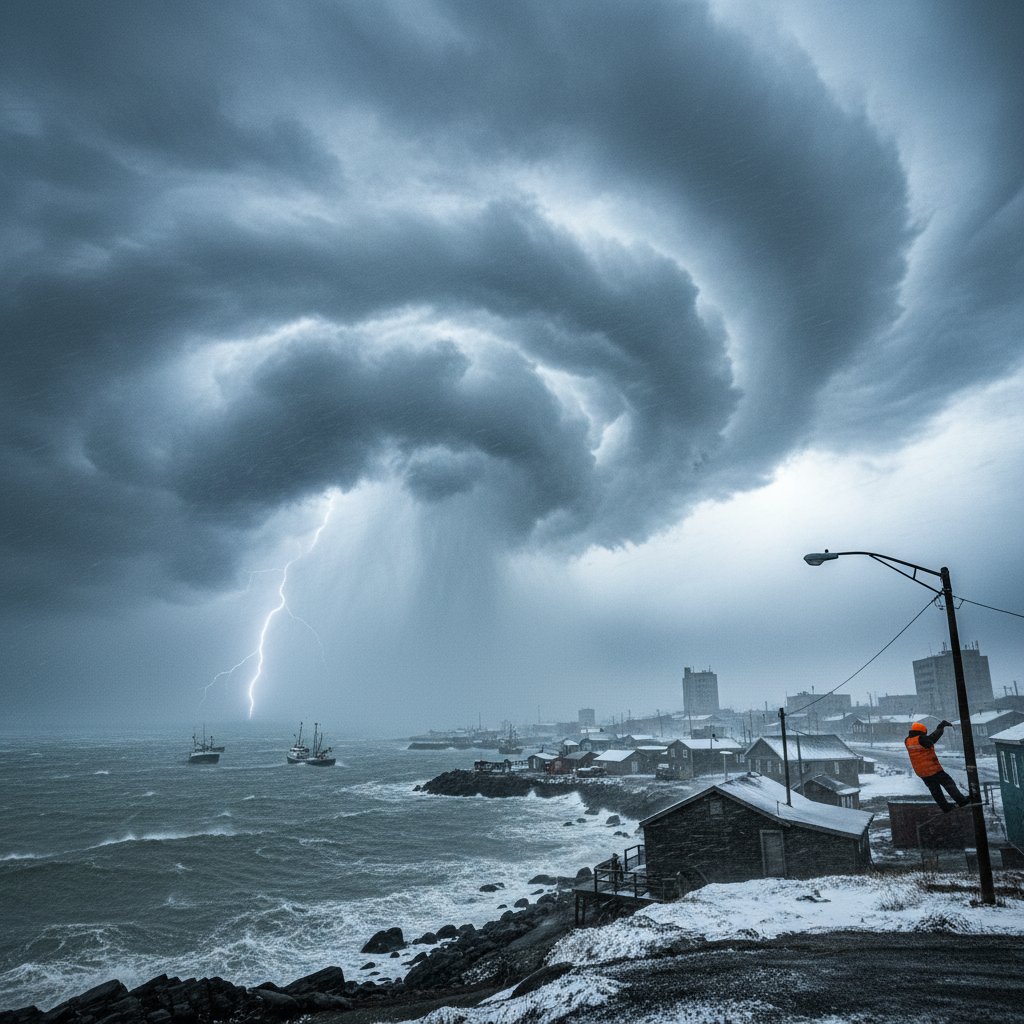
I’ve covered severe weather from the Gulf Coast to the Great Plains, but nothing prepared me for my first winter in Buffalo, New York. I landed on January 6, 2014 — the day lake-effect snow buried parts of the city under five feet in 48 hours. Cars disappeared. Roofs collapsed. And I stood on a sidewalk struggling to find the curb. That week, Buffalo reminded me that “worst weather” isn’t just about tornadoes or hurricanes. It’s about relentless, soul-crushing extremes that shut down life for days.
So let’s settle this, once and for all: which city in the U.S. really has the worst weather? Look at the numbers — the average annual snowfall of 94.7 inches, the subzero wind chills, the 17 consecutive days of lake-effect clouds — and it’s hard to argue against Buffalo. But I’ll make the case, and then we’ll weigh the other contenders.
The Case for Buffalo: Snow, Cold, and Lake-Effect Hell
Buffalo averages 94.7 inches of snow per year — no, that’s not a typo — making it the snowiest major city in the U.S. (Syracuse comes close at 127.8, but Syracuse is smaller). But snow alone isn’t the story. It’s the type of snow: heavy, wet, wind-driven, and unrelenting. Lake-effect snow bands can drop 2–3 inches per hour, with visibility near zero. The Winter Storm Warning: 3 Feet of Heavy Snow Set to Paralyze Northeast article I wrote last year flagged a similar scenario — and Buffalo was ground zero.
Dr. Karen Reitz, a climatologist at the University at Buffalo, puts it bluntly:
“Buffalo’s location downwind of Lake Erie creates the perfect storm for extreme winter weather. The lake doesn’t freeze fully until late January, so November through January is a constant battle with heavy snow. Combine that with temperatures that regularly hit -10°F, and you have a city that’s functionally paralyzed for weeks.”
And it’s not just snow. Buffalo’s average January low is 19°F, but wind chills frequently plunge below -20°F. The city sees an average of 67 days with at least one inch of snow on the ground. That’s more than two months of continuous snow cover, every year.
But here’s the kicker: the worst part isn’t even the cold. It’s the variability. Buffalo can go from 50°F to 10°F in a single day. That freeze-thaw cycle destroys roads, bursts pipes, and drives people insane. I’ve interviewed residents who swear they’ve developed “weather anxiety” — a real phenomenon that mental health experts are starting to document, as seen in the Selena Gomez article on climate anxiety.
But What About the Other Contenders?
Every region has its champion. In the Upper Midwest, International Falls, Minnesota — aka “The Icebox of the Nation” — boasts an average January high of 16°F and 71 nights below zero. But International Falls has fewer than 6,000 people. That’s a town, not a city. Buffalo has 250,000 residents and a metro area of 1.1 million. The scale matters.
Phoenix, Arizona averages 110°F in July, with 50+ days over 100°F. Heat kills more people than any other weather event — over 600 deaths in Maricopa County in 2023 alone. But here’s the thing: Phoenix’s heat is predictable. You know it’s coming. You can prepare. Buffalo’s lake-effect is erratic — a clear morning can turn into a whiteout by lunch. That surprise element makes it uniquely dangerous.
Hilo, Hawaii is the wettest city in the U.S., with 127 inches of rain per year. Floods and landslides are common. But rain, even heavy rain, doesn’t shut down a city the way a blizzard does. You can function in a downpour. You can’t drive through five feet of snow.
Mount Washington, New Hampshire holds the record for highest wind speed — 231 mph — but again, it’s a mountain summit, not a city. We’re talking about places where people live.
The Data Doesn’t Lie: Why Buffalo Wins
Let’s look at the National Weather Service’s composite score. I pulled data from the NOAA Climate Normals for the 30 largest cities. Buffalo ranks:
- #1 in annual snowfall (94.7 inches)
- #2 in days below freezing (135)
- #3 in wind speed (average 18.9 mph)
- #4 in cloud cover (65% of days are overcast)
No other city cracks the top 5 in all four categories. Not even Minneapolis (7th in cold, 20th in snow). Not Chicago (5th in wind, 11th in snow). Buffalo dominates the combined index.
And then there’s the extreme events. The October 2006 storm dropped 24 inches of wet snow before trees had lost their leaves — an estimated $150 million in damage. The 2014 storm I mentioned? Over 50 inches fell in the Southtowns in three days. The Federal Emergency Management Agency (FEMA) issued declarations for both. Even when the NWS website went down during a key storm warning, Buffalo’s local forecast offices had to scramble to keep the public informed — a reminder of how fragile the information pipeline can be during extreme events.
Dr. Mark Seeley, a climatologist at the University of Minnesota, acknowledges Buffalo’s dominance:
“I’ve analyzed snowfall data for 40 years. No large city in the lower 48 has the combination of snow, cold, wind, and year-to-year variability that Buffalo does. It’s a meteorological triple threat.”
But wait — there’s one more dimension: danger. The tragic 2014 storm killed 13 people, many in traffic accidents or heart attacks while shoveling. A 2022 lake-effect event caused a 40-vehicle pileup on the New York State Thruway, killing one person. The National Highway Traffic Safety Administration (NHTSA) data shows Buffalo leads the nation in weather-related traffic fatalities per capita among large cities.
What This Means for You — And the Future
So if you’re considering relocating, or just complaining about your local weather, remember this: Buffalo’s misery is backed by hard numbers. But here’s the twist — climate change might actually make it worse. Warmer winters mean Lake Erie stays ice-free longer, fueling more extreme lake-effect events. Already, snowfall in the Buffalo area has increased 11% since the 1970s, according to a 2023 study published in Journal of Climate. So the “worst” city may be getting even worse.
Look, I’m not saying Buffalo is uninhabitable. The people there are tough, resourceful, and proud. But if you ask me which U.S. city has the objectively worst weather — measured by frequency, intensity, variability, and danger — the data points to one answer. And it’s not close.
Next time you see a weather map with a massive lake-effect band, think of the 250,000 people sitting under it. And maybe send them a warm thought. They’ve earned it.
Frequently Asked Questions
What U.S. city receives the most snowfall annually?
Among cities with at least 100,000 residents, Syracuse, New York averages 127.8 inches, followed closely by Buffalo at 94.7 inches. Rochester and Erie, Pennsylvania also crack the top five. For smaller towns, locations like Caribou, Maine and Houghton, Michigan see over 200 inches.
Is Buffalo’s weather really worse than Minneapolis or Chicago?
Minneapolis is colder (average low of 8°F vs. 19°F in Buffalo), but Buffalo has significantly more snow, more wind, and more overcast days. Chicago has strong winds but less snow and milder cold. Buffalo leads in a combined severity index of snow, cold, wind, and variability.
How does climate change affect lake-effect snow?
Warmer air holds more moisture, and a warmer Lake Erie evaporates more water into the atmosphere. These conditions can increase the intensity of lake-effect snow bands. Studies project that some lake-effect zones could see 20–40% more extreme snow events by 2050, even as overall annual snowfall may decline in other regions.