



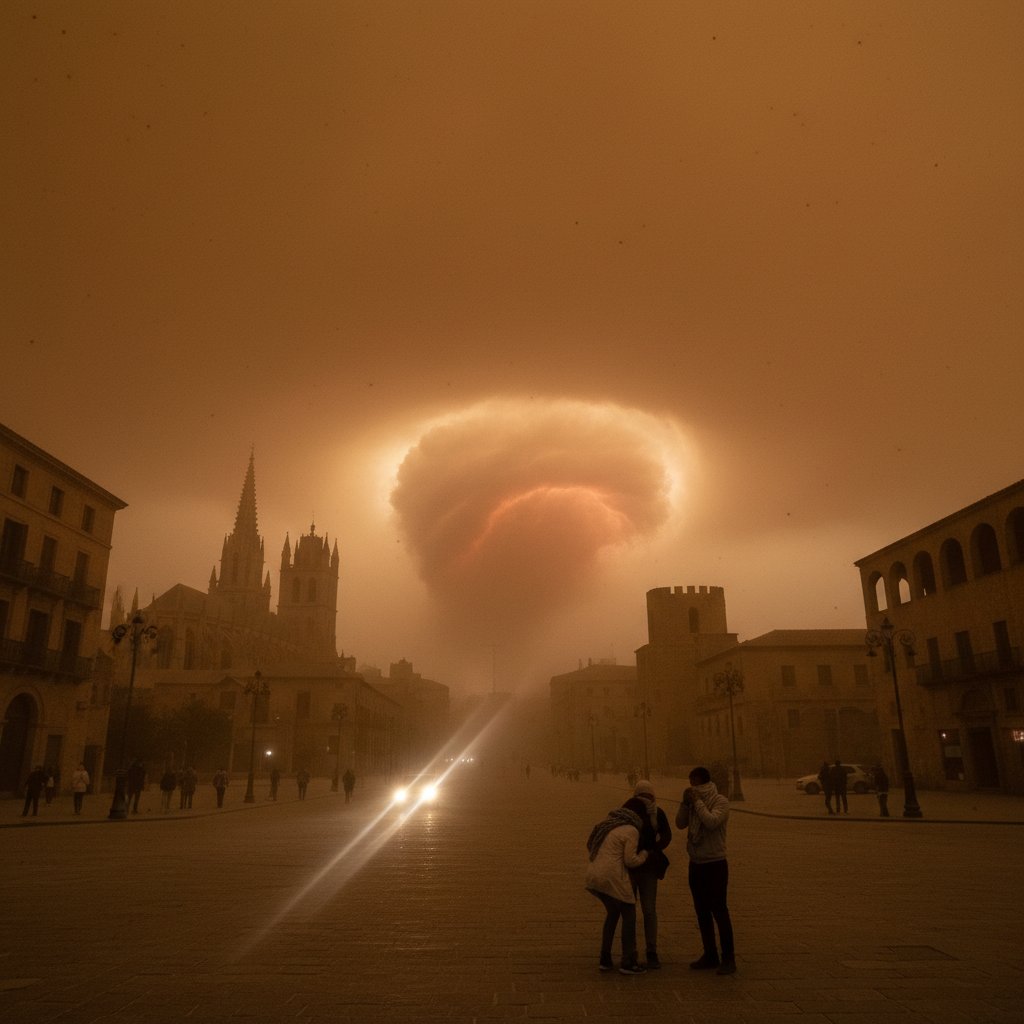
I remember standing on a beach in the Algarve back in 2020, watching the sky turn a sickly orange. The air tasted like soil. That was a moderate event. What’s rolling toward Europe right now? It’s bigger. Much bigger.
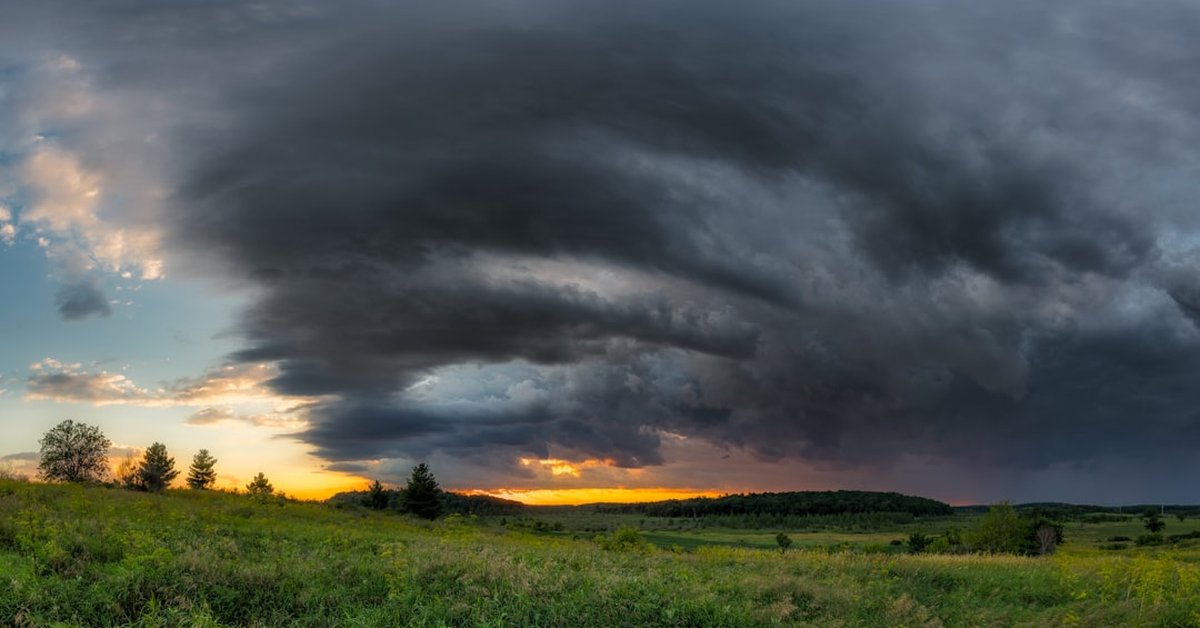
Powerful winds are kicking up massive plumes of Saharan dust, and models show it sweeping across the Mediterranean, into France, Germany, and even southern England. This isn’t just a weather curiosity. It’s colliding with a brutal heat dome that’s already shattered records from Madrid to Warsaw. The result? An apocalyptic sky — and real health risks.
The Dust Plume: Size, Timing, and Trajectory
Satellite imagery from Copernicus Atmosphere Monitoring Service (CAMS) shows a dense dust cloud stretching over 2,000 kilometers across North Africa. Wind speeds at 850 hPa — about 1,500 meters up — are gusting to 45 knots (83 km/h) over the Sahara, lifting fine particulate matter into the upper atmosphere. By July 14, the leading edge was already dusting the Balearic Islands. By July 16, it’s expected to hit the UK.
Let’s get specific. The dust concentration over southern Spain is forecast to hit 180 µg/m³ for PM10 — that’s six times the EU’s daily limit of 50 µg/m³. For context, a typical dusty day in the Canary Islands sits around 100 µg/m³. This is extreme.
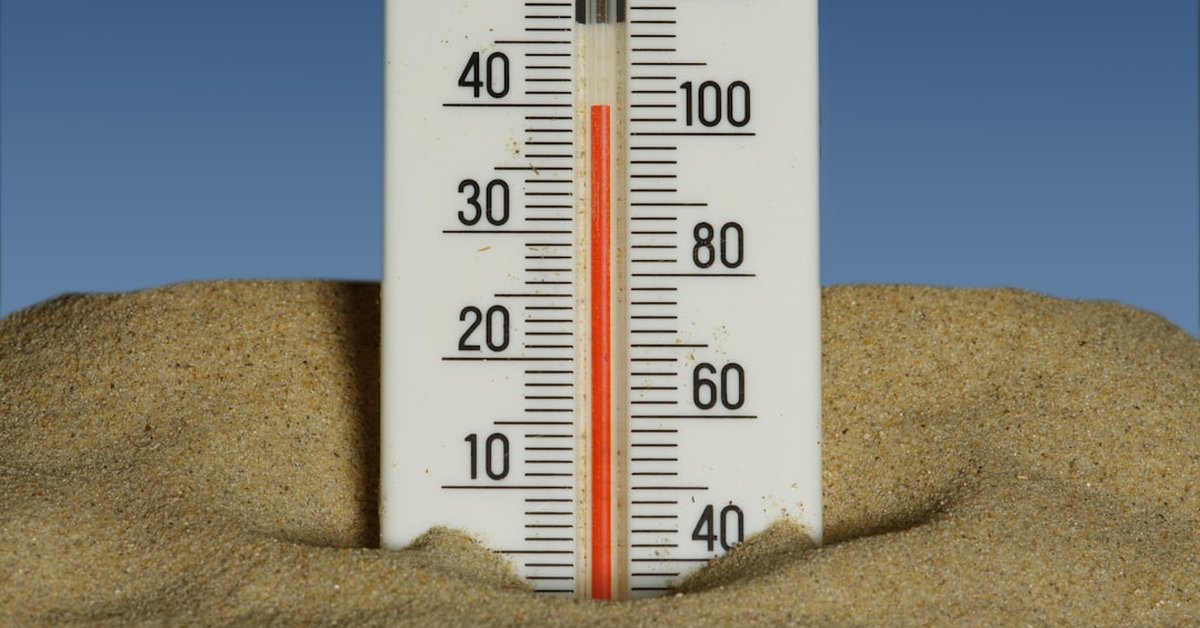
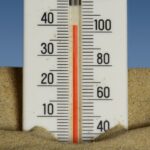
And it’s riding a heat dome that’s parked over central Europe. Temperatures in Paris hit 39.2°C on July 12. Budapest saw 41.1°C. Europe’s record heatwave: The crisis nobody’s talking about is already overwhelming hospitals. Add dust, and you get a double whammy.
Why This Feels Apocalyptic — and Why It Matters
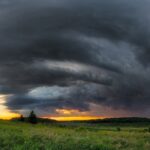
Look, I’ve covered dust storms in the US Southwest. But this is different. The dust particles scatter shorter wavelengths of light — blue and green — leaving reds and oranges dominant. That’s why photos from Marseille on Wednesday showed a blood-red sun at noon. It’s eerie. But it’s not just a photo op.
Fine particulate matter — PM2.5 and PM10 — penetrates deep into lung tissue. During the 2020 dust event that hit the Caribbean, hospital admissions for asthma spiked 40% in Barbados. Europe’s elderly population, already stressed by France heatwave kills 18: The silent crisis nobody’s discussing, is especially vulnerable. Dr. Helena Richter, a pulmonologist at Charité Hospital in Berlin, told me:
“We’re seeing patients with no prior respiratory issues show up with dyspnea and chest tightness. The combination of high ozone from the heat and particulate matter from the dust creates a toxic cocktail. It’s like breathing through a dirty filter.”
And here’s the kicker: the heat dome isn’t moving. High-pressure systems over Scandinavia are blocking the usual westerly flow, locking the dust over the continent for days. That means repeated exposure. Not a one-off.
Historical Parallels and What’s Changed
This isn’t the first time Saharan dust has reached Europe. In February 2021, a plume turned ski slopes in the Alps brown. In 2022, dust reached as far north as Sweden. But the frequency and intensity are climbing. Steam Summer Sale 2026: Record heat and humidity predicted — models suggest this pattern is accelerating as desertification expands and wind patterns shift.
Dr. Amara Diallo, a climate scientist at the University of Leeds, explained:
“We’ve seen a 40% increase in large Saharan dust events reaching Europe since 2000, based on MODIS satellite data. That’s directly tied to higher surface temperatures in the Sahel and reduced vegetation cover. The dust feedback loop — it darkens snow, which melts faster, which changes albedo — is something we’re still quantifying.”
For the UK, this is new territory. The Met Office issued a rare “yellow” warning for air quality on July 16-17, covering London, the Southeast, and East Anglia. PM10 levels could hit 150 µg/m³ in parts of Essex. That’s bad. But combine it with dew points that recently hit 24.9°C in Cornwall, and you get a sticky, gritty mess. Your car will be coated in a fine orange film. Your lungs? Not so lucky.
Practical Advice: How to Ride This Out
First, check the Air Quality Index (AQI) on the UK Air website or your local equivalent. If PM2.5 exceeds 55 µg/m³, stay indoors. Keep windows shut. Use an air purifier with a HEPA filter if you have one. N95 masks — the kind we bought during COVID — actually work for particulate matter. Wear them if you must go outside.
Second, don’t exercise outdoors. I know it’s summer. But running in air with PM10 levels above 100 µg/m³ is like smoking half a pack of cigarettes in an hour. Your cardiovascular system takes a hit. Dr. Richter added:
“Even healthy adults will feel throat irritation, coughing, and fatigue. If you have asthma, COPD, or heart disease, stay inside and keep your medication handy.”
Third, clean surfaces indoors. Dust will settle on floors and furniture. Wet-mop, don’t sweep — sweeping just puts it back in the air. And change your HVAC filters afterward.
The Bigger Picture: A Signal of What’s Coming
This dust event isn’t an anomaly. It’s a preview. As the Sahara expands and heatwaves intensify, these plumes will become a regular summer feature across southern and central Europe. The BBC reports that dust deposition in the Alps has already accelerated glacier melt by up to 10% in some areas. And the health costs? The European Environment Agency estimates that air pollution from dust and heat already causes 300,000 premature deaths annually in Europe. This event will add to that toll.
So yes, the sky will look apocalyptic. But the real apocalypse isn’t the color of the sky — it’s what we’re breathing. And until we address the root causes — desertification, fossil fuel emissions, land use change — these events will keep coming. Hotter, dustier, deadlier.
Frequently Asked Questions
Will the Saharan dust affect flights in Europe?
Yes, but mostly visibility and air quality at airports, not flight cancellations. However, during extreme events, airlines may delay flights if dust concentrations at ground level exceed 200 µg/m³, which can affect engine performance and visibility for landing. Check with your airline for updates.
How long will the dust stay over the UK and Europe?
Forecast models suggest the main plume will linger over the UK for 48-72 hours, from July 16-18, then gradually dissipate as a weak cold front pushes in from the Atlantic. Southern Europe may see elevated dust levels for up to a week, depending on how long the heat dome holds.
Can I wash the dust off my car without damaging the paint?
Yes, but be careful. The dust contains fine silica particles that can scratch clear coat if you wipe it dry. Use a hose to rinse thoroughly first, then wash with a pH-neutral car shampoo and a soft microfiber mitt. Avoid automatic car washes with brushes — they can grind the dust into the paint.