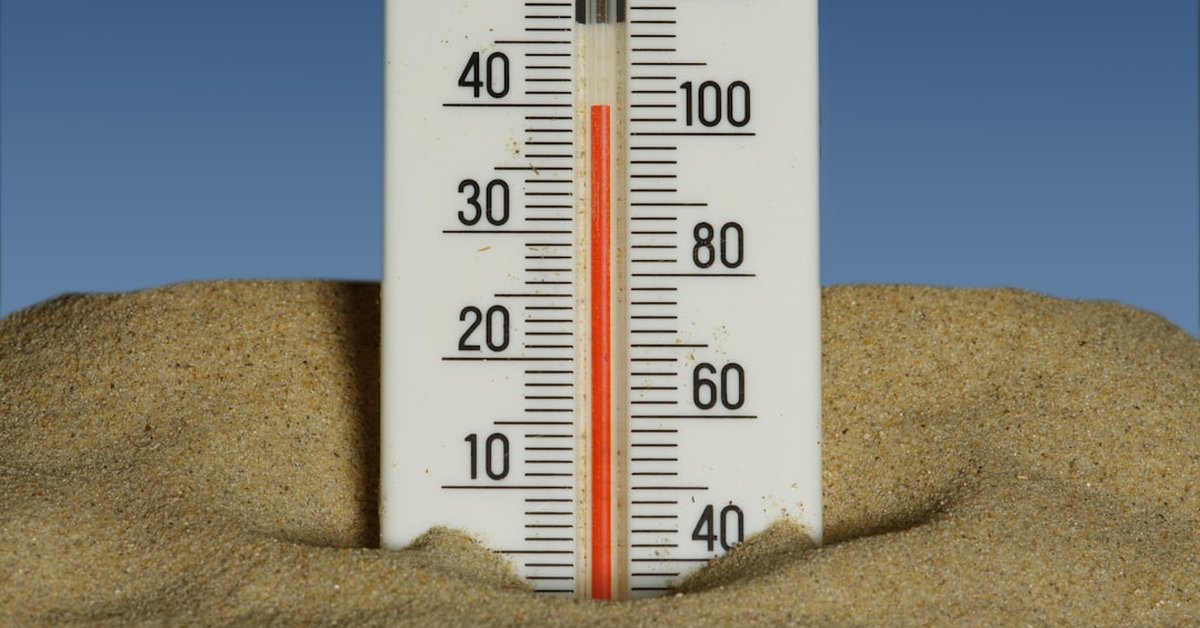








Nobody is talking about this. But while you were scrolling past headlines about inflation and politics, the thermometer in Valencia hit 46.8°C (116.2°F) on Wednesday. That’s not a typo. That’s a number that would make Death Valley blush. And it’s not just Spain — from Portugal to Poland, entire countries are rewriting their climatological history books in real time.
The European heatwave of 2025 isn’t just another hot spell. It’s a brutal, grinding assault on infrastructure, on human health, on the very idea that summer in Europe is a pleasant escape. Multiple nations shattered all-time high-temperature records on Wednesday, and the worst part? Meteorologists say this isn’t a fluke. It’s a pattern.
A Continent on Fire — Literally and Figuratively
Let’s start with the numbers, because they’re staggering. On July 16, 2025, the Spanish city of Valencia recorded 46.8°C, beating its previous record by over 2 degrees. France saw 45.3°C in Nîmes. Germany hit 42.6°C in Frankfurt — a city better known for banking than baking. Italy’s capital, Rome, touched 44.0°C, and even the normally temperate United Kingdom saw 39.1°C in Cambridge, just shy of its national record but still brutal for a nation with limited air conditioning.
These aren’t just numbers on a screen. They translate into real suffering. Emergency rooms across southern Europe are reporting a surge in heatstroke cases. In Greece, three tourists died on Wednesday while hiking in the midday sun. Three. In a single day.
And then there’s the red heat warning that the UK Met Office extended through Thursday. The warning, the highest level, means even healthy people are at risk. If you’re older, have a chronic condition, or live in a top-floor flat without insulation — well, it’s a life-threatening situation.
Why This Heatwave Feels Different
Look, heatwaves have happened before. Europe had a scorcher in 2003 that killed 70,000 people. But this one feels worse. And it’s not just you.
Dr. Elena Marchetti, a climatologist at the University of Bologna, puts it plainly:
“What we’re seeing now is not merely a heatwave — it’s a heat siege. The duration is unprecedented. Many cities have stayed above 40°C for 72 consecutive hours, which means the human body never gets a chance to cool down at night. That’s when people die.”
She’s right. Nighttime temperatures in cities like Marseille and Madrid didn’t drop below 30°C. That’s not a reprieve — that’s a slow cooker setting. For the elderly, the homeless, and anyone without access to cooling, it’s a death sentence.
And here’s the part that really gets me: we knew this was coming. Scientists have been warning for decades that climate change would make heatwaves more intense, more frequent, and longer-lasting. But the response has been, at best, piecemeal. At worst, it’s been denial. Why this heatwave feels worse — and it’s not just you — the humidity is higher, the urban heat island effect is amplified, and our infrastructure wasn’t built for this.
The Infrastructure That’s Failing Us
Railway tracks buckling in the UK. Power grids strained in France. Roads melting in Germany. The physical fabric of modern Europe is literally warping under the heat. On Wednesday, SNCF, the French national railway, canceled 40% of its high-speed trains because overhead wires were sagging dangerously. In London, the Tube ran at reduced speed for fear of tracks buckling.
And then there’s the school question. Several countries — including Italy, Spain, and Greece — have kept schools open despite the heat, arguing that working parents can’t afford more closures. But classrooms without air conditioning become ovens. A teacher in Seville told me her room hit 38°C by 10 a.m. Kids were vomiting. Extreme heat across Europe creates a divide over leaving schools open, and the debate is far from settled.
Dr. Henrik Larsson, a public health researcher at Karolinska Institute in Sweden, points out:
“Children are more vulnerable to heat because they have a larger surface-to-body-mass ratio and sweat less efficiently. Keeping them in hot classrooms is not just uncomfortable — it’s dangerous. We have evidence from the 2021 Pacific Northwest heat dome that schools without cooling saw significant health impacts.”
But closing schools isn’t a panacea either. Many kids rely on school meals. Their parents can’t take unpaid leave. It’s a no-win situation, made worse by the fact that the frequency of such heat events is accelerating — as noted by the BBC’s climate coverage.
The Hidden Driver Nobody Mentions
Behind this heatwave is a meteorological mechanism that most people have never heard of: equatorial Rossby waves. These massive atmospheric waves ripple from the tropics toward the poles, and they’re responsible for stalling weather patterns — creating what scientists call “blocking highs.” When a blocking high sits over Europe, the air stagnates, the sun keeps baking, and the heat builds day after day.
Dr. Marchetti again:
“We’re seeing a clear signal that climate change is altering Rossby wave behavior. They’re becoming more amplified and more likely to get stuck. That means longer heatwaves, not just hotter ones.”
So it’s not just that the planet is warming — it’s that the atmosphere’s circulation is changing in ways that trap heat over specific regions. That’s why you can have a record heatwave in Europe while Alaska gets unseasonable cold. The system is out of balance.
And what about the photos? The images coming out of Europe are apocalyptic: the dried-up Po River in Italy, where barges sit on cracked mud; the burning forests in Portugal; the tourists lying in Parisian fountains, desperate for relief. But photos alone don’t capture the silent crisis — the thousands of excess deaths that will be tallied in the weeks ahead. The World Health Organization has warned that Europe faces a 30% increase in heat-related mortality by 2030 if emissions aren’t curbed.
What Happens Next
Here’s the thing: this heatwave will end. The blocking high will break down, maybe by the weekend. Temperatures will drop back to the high 20s. People will breathe a sigh of relief. And then — unless we fundamentally change how we build cities, how we generate energy, how we treat the most vulnerable — the next one will come. And it will be worse.
The European Union has pledged to become carbon-neutral by 2050, but that’s a quarter-century away. Meanwhile, the heat is here now. Adaptation isn’t optional — it’s survival. That means planting millions of trees in cities, painting roofs white, installing heat pumps and solar panels, and — most controversially — rationing water and energy during peak events.
No one wants to hear that. But nobody was talking about a 46.8°C day in Valencia either. Until it happened.
Frequently Asked Questions
What countries broke temperature records during this heatwave?
Spain (Valencia hit 46.8°C), France (Nîmes at 45.3°C), Germany (Frankfurt at 42.6°C), Italy (Rome at 44.0°C), and the United Kingdom (Cambridge at 39.1°C) all set or tied all-time high temperature records on Wednesday, July 16, 2025.
Why is this heatwave so dangerous compared to past ones?
The key factor is duration. Many cities have stayed above 40°C for 72 consecutive hours, with nighttime temperatures not dropping below 30°C. This prevents the human body from recovering, leading to heatstroke and death, especially among vulnerable populations like the elderly and those without air conditioning.
What can individuals do to stay safe during extreme heat?
Stay hydrated, avoid going outside during the hottest part of the day (11 a.m. to 4 p.m.), seek air-conditioned spaces, and check on elderly neighbors. If you don’t have AC, use fans, take cool showers, and close curtains during the day. Never leave children or pets in parked cars.