






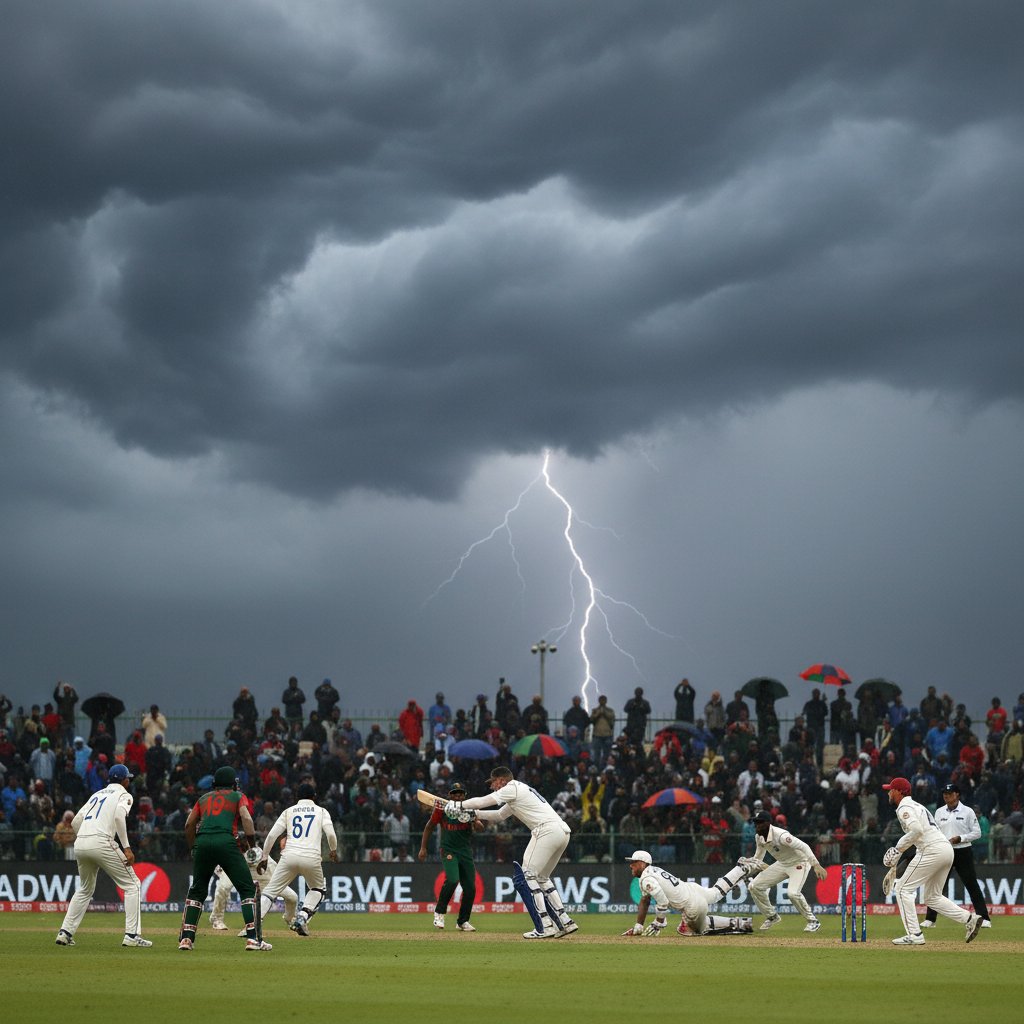
Nobody is talking about this, but the Zimbabwe vs Bangladesh cricket series isn’t just about runs and wickets. It’s unfolding against a backdrop of climate trauma that refuses to fade. When these two teams meet, they bring with them the weight of cyclones, floods, and a history of extreme weather that has reshaped their nations. And yet, the conversation stays stubbornly fixed on the pitch.
Look, I get it. Cricket is an escape. But when you dig into the numbers, the connection between sport and survival becomes impossible to ignore. Zimbabwe and Bangladesh are two of the most climate-vulnerable countries on the planet. Both have been hammered by tropical cyclones in the last decade — storms that didn’t just destroy stadiums but entire communities. So when these players step onto the field, they’re not just representing a flag. They’re carrying the memory of water rising, roofs tearing off, and the long, slow recovery that follows.
The Cyclone That Changed Everything
Let’s start with Zimbabwe. In March 2019, Cyclone Idai tore through the eastern part of the country, dumping a year’s worth of rain in just three days. The death toll exceeded 340 in Zimbabwe alone, with hundreds more missing. Entire villages in Chimanimani and Chipinge were swallowed by mudslides. Roads vanished. Bridges collapsed. And the cricket community — small as it is — felt the blow.
“I remember driving through the aftermath,” says Dr. Tafadzwa Moyo, a climate researcher at the University of Zimbabwe. “The scale of destruction was biblical. We lost entire families. And the recovery? It’s still ongoing. Five years later, some areas still don’t have proper drainage or early warning systems.”
The Zimbabwe cricket team, already struggling for funding and international fixtures, saw its domestic infrastructure take a hit. The Mutare Sports Club, a venue that had hosted first-class matches, was damaged. Training facilities were repurposed as emergency shelters. The national team’s preparation for future tours — including this one against Bangladesh — was disrupted. And yet, the world barely noticed.
This isn’t just a Zimbabwe problem. Bangladesh has its own cyclone history — one that’s even more brutal in scale. Cyclone Fani in 2019 forced the evacuation of over 1.6 million people. Cyclone Amphan in 2020 caused $13 billion in damage. The Bangladesh Cricket Board (BCB) has had to cancel or relocate matches multiple times because of storms. The country’s coastal stadiums — like the Sheikh Abu Naser Stadium in Khulna — are built on land that floods regularly. Players train knowing that at any moment, the monsoon could wash away their nets.
What This Series Really Means
So here we are. Zimbabwe vs Bangladesh. Two teams that have more in common than their ICC rankings suggest. Both are fighting for relevance in a sport dominated by India, Australia, and England. Both have passionate fan bases that show up despite power cuts and flooded roads. And both are playing in an era where the weather is no longer a background detail — it’s a main character.
“Cricket boards in these regions need to budget for climate adaptation,” says Sarah Jenkins, a sports infrastructure analyst based in London. “That means flood-proofing grounds, investing in weather monitoring tech, and having contingency plans for every match. It’s not optional anymore. It’s survival.”
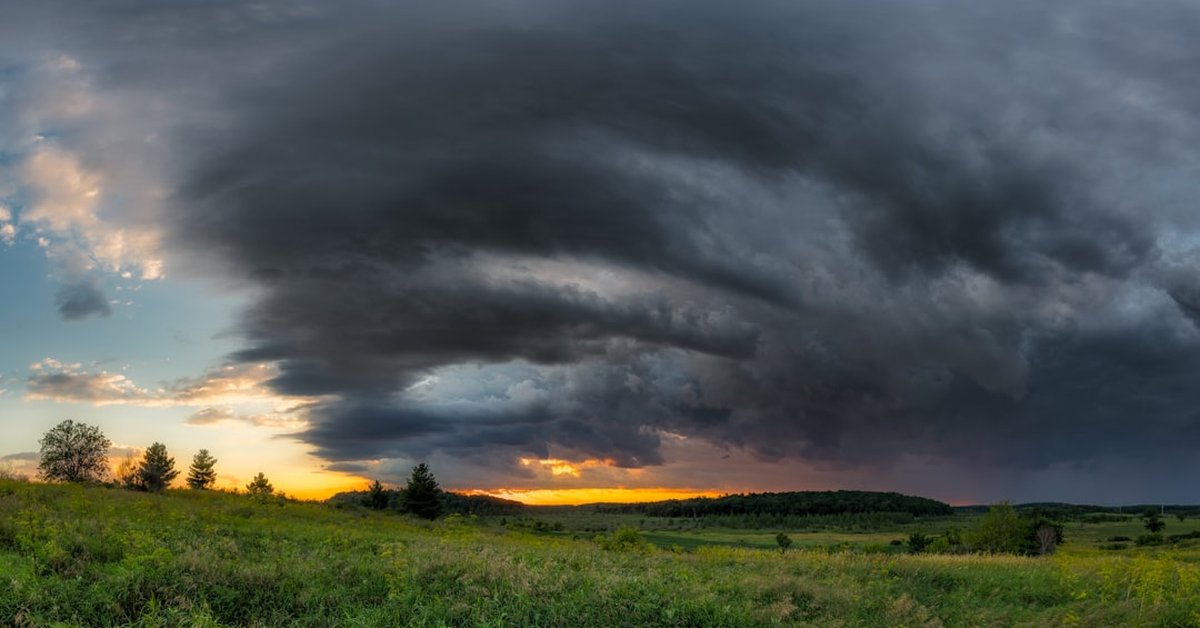
And it’s not just the big storms. The extreme weather patterns we’re seeing globally — from tornadoes in North Carolina to flooding in the UK — are mirrored in southern Africa and South Asia. Heatwaves are making day-night matches unbearable. Unpredictable rainfall is turning Test matches into farces. The game is changing, and the boards are scrambling.
For Zimbabwe, this series against Bangladesh is a chance to prove they can still compete. But it’s also a reminder of what they’ve lost. The country’s economy is in shambles. Hyperinflation has made it hard to maintain grounds. Players are leaving for county cricket in England or franchise leagues in the UAE. The ones who stay are doing it out of love — and a stubborn refusal to let the weather win.
The Human Cost Behind the Scoreboard
Let me tell you about a man named Tendai. He’s a groundsman at Harare Sports Club. I met him in 2022, just after a freak hailstorm shredded the outfield. He was on his knees, pulling debris out of the turf, sweat mixing with rain. “This is my life,” he said. “If the ground dies, I die.”
That’s the reality nobody talks about. The people who keep cricket alive in these countries are the ones who show up after the cyclone passes. They rebuild. They replant. They pray the next storm holds off until the season ends. And when it doesn’t — when the floodwaters rise again — they start over.
Bangladesh knows this better than anyone. In 2007, Cyclone Sidr killed over 3,000 people. The BCB postponed a series against New Zealand. In 2023, Cyclone Mocha forced the cancellation of a domestic T20 tournament. The players, many of whom come from coastal districts, lost homes. Some lost family members. And yet, they keep playing. Because what else is there?
“Sport is a coping mechanism,” says Dr. Moyo. “It gives people something to hold onto when everything else is falling apart. But we can’t ignore the fact that climate change is making these disasters more frequent. The cricket calendar is going to have to adapt — or break.”
There’s a deeper irony here. The same carbon emissions that are fueling these cyclones are also coming from the countries that dominate world cricket. The ICC has done little to address the sport’s carbon footprint. Meanwhile, Zimbabwe and Bangladesh — who contribute almost nothing to global emissions — are bearing the brunt. It’s a classic case of climate injustice, played out on a cricket field.
What Comes Next
So what does the future hold for Zimbabwe vs Bangladesh? More of the same, probably. More matches played under threat of rain. More players retiring early because the stress is too much. More grounds being washed away and rebuilt. But there’s also a chance — a slim one — that this series becomes a catalyst for change.
If the boards start talking openly about climate adaptation, if they invest in resilient infrastructure, if they use their platforms to push for global action — then maybe the cricket world will finally listen. When the sirens sound, it’s not just about taking cover. It’s about building a system that can withstand the next storm.
For now, the players will take the field. The crowds will cheer. The runs will be scored. But underneath it all, there’s a quiet desperation. A knowledge that the next cyclone is already forming somewhere in the Indian Ocean. And when it hits, cricket will be the last thing on anyone’s mind.
Frequently Asked Questions
How has Cyclone Idai specifically affected Zimbabwe cricket?
Cyclone Idai damaged cricket infrastructure in eastern Zimbabwe, including the Mutare Sports Club, and disrupted training schedules for the national team. The disaster also diverted government and private funding away from sports toward emergency relief and rebuilding efforts, slowing the development of domestic cricket.
Are Bangladesh’s cricket stadiums built to withstand cyclones?
Some newer stadiums, like the Sher-e-Bangla National Stadium in Dhaka, have improved drainage and structural reinforcements. However, coastal venues like the Sheikh Abu Naser Stadium in Khulna remain vulnerable to flooding and storm surges. The BCB has begun incorporating climate-resilient designs in recent renovations, but many older grounds lack adequate protection.
What is the ICC doing to help climate-vulnerable cricket nations?
The ICC has established a Climate Action Framework but has not allocated specific funds for adaptation in vulnerable nations like Zimbabwe and Bangladesh. Critics argue the organization prioritizes commercial interests over the needs of smaller boards. Individual boards are left to seek funding from national governments or international aid agencies for climate-proofing infrastructure.