






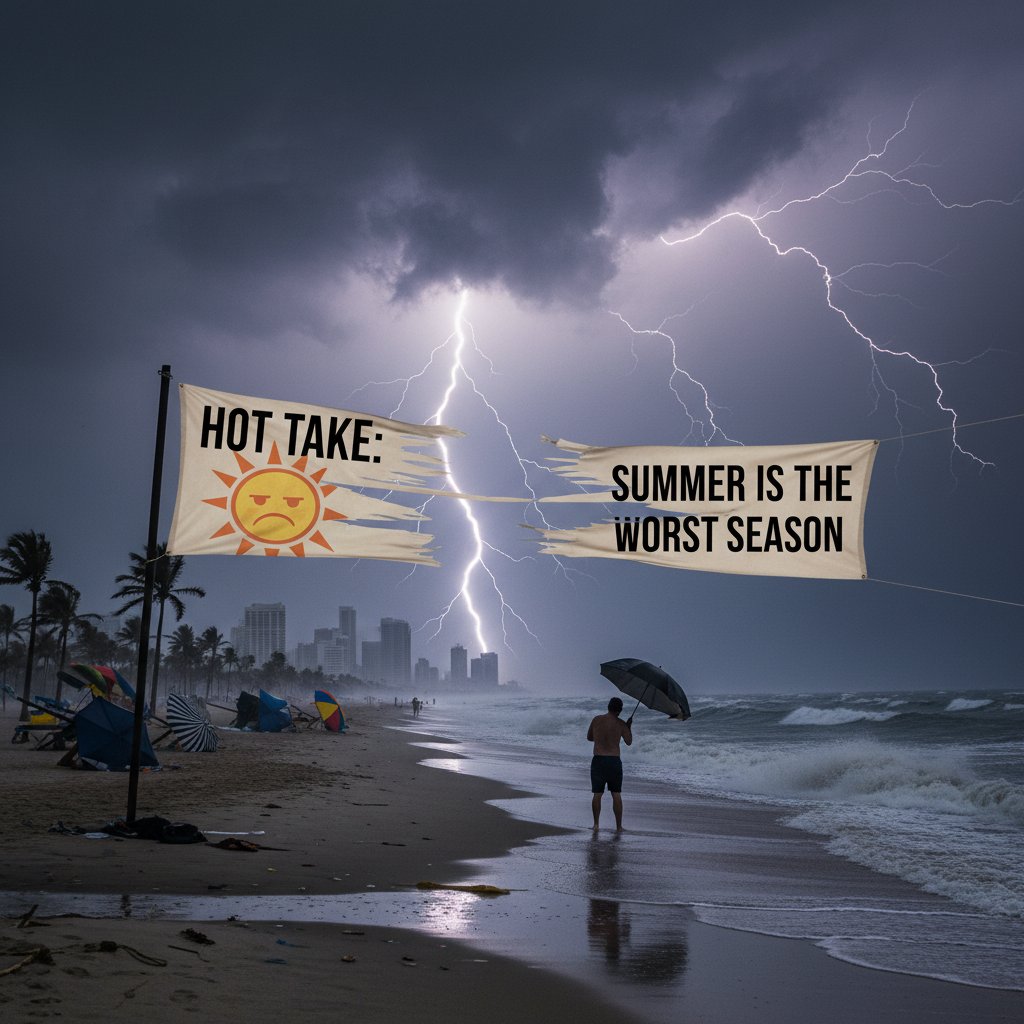
Every year, as temperatures climb and the sun blazes overhead, millions of people celebrate the arrival of summer. Beach trips, barbecues, and long evenings seem idyllic. But beneath that golden veneer lies a season of escalating peril. Heatwaves kill more people in the United States than hurricanes, floods, or tornadoes combined. In 2023, extreme heat contributed to over 2,300 deaths nationwide, according to the National Weather Service. And that is just the beginning.
The Deadly Toll of Extreme Heat
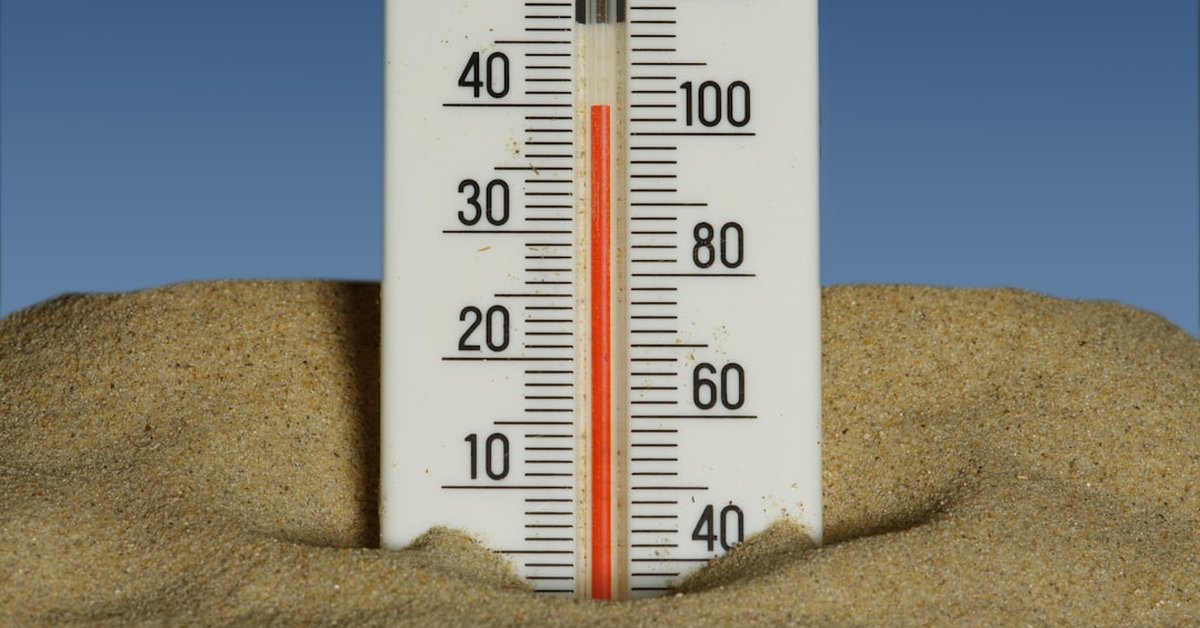
Heat is the silent assassin of summer. Unlike a hurricane’s dramatic winds or a wildfire’s terrifying glow, heat kills quietly, often indoors, away from the news cameras. During the July 2023 heat dome that baked the Pacific Northwest, Seattle hit 108°F (42°C) — a temperature unheard of in a city where most homes lack air conditioning. Emergency rooms saw a 700% spike in heat-related visits.
“Our bodies simply cannot cope when nighttime temperatures fail to drop below 80°F for days on end,” explains Dr. Emily Tran, a climatologist at the University of California, Berkeley. “The elderly, those with chronic conditions, and people without access to cooling are the most vulnerable.” In cities like Phoenix, which set a record 54 days above 110°F in 2023, the morgue had to bring in refrigerated trucks to handle the overflow of bodies.
And it’s not just about death. Heat exhaustion, kidney failure from dehydration, and heatstroke cripple thousands. Studies show that for every 1°C rise above seasonal norms, the risk of cardiovascular death jumps by 2.5%. Summer now functions as a public health crisis, one that we accept as normal but is anything but.
Hurricanes and Wildfires: Summer’s Twin Threats
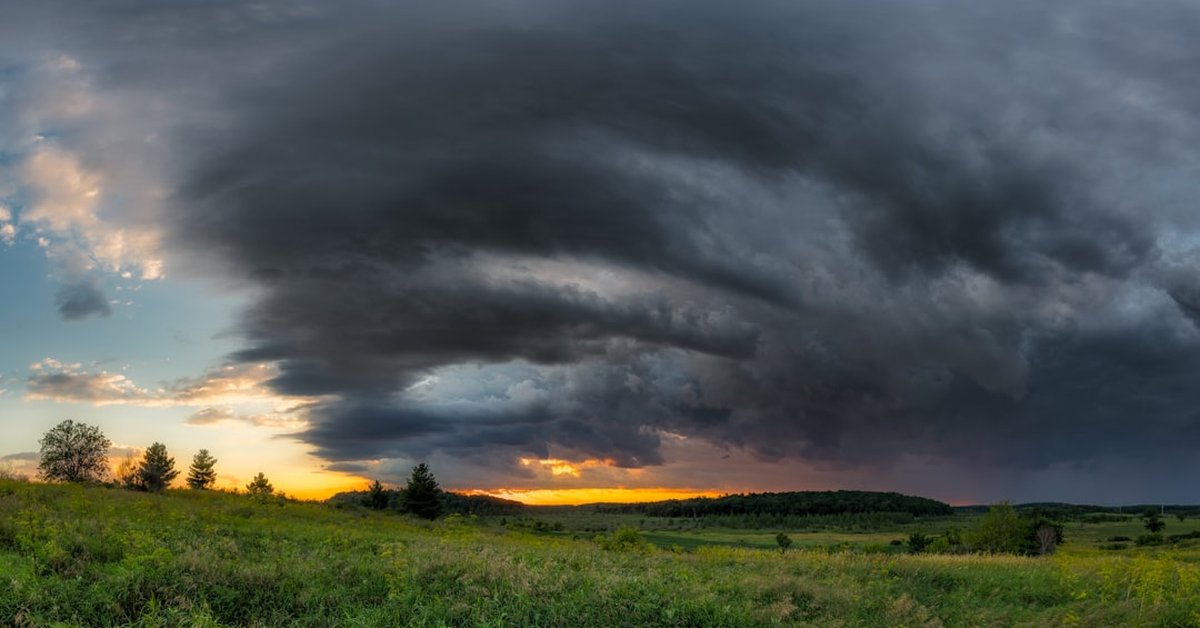
If heat were the only problem, summer might still be bearable. But it comes armed with two other weapons: Atlantic hurricanes and Western wildfires. The 2024 hurricane season is predicted to be “extremely active” by NOAA, with 17 to 25 named storms, including up to 13 hurricanes. Warm ocean waters — up to 2°F above average in the Main Development Region — act as rocket fuel for these storms. Hurricane Beryl in July 2024 became the earliest Category 5 on record, devastating parts of the Caribbean and Texas.
“We are seeing storms intensify faster and reach higher categories more often,” says retired Navy meteorologist Captain James O’Brien, now a disaster preparedness consultant. “The typical summer now includes a constant watch for rapid intensification, leaving communities little time to prepare.” Meanwhile, on the West Coast, wildfire season starts earlier and ends later. The 2023 McKinney Fire in California burned 60,000 acres in a single day, driven by a combination of heat, drought, and wind. Smoke from Canadian wildfires in summer 2023 turned New York City’s skyline orange and caused some of the worst air quality in the world.
“Summer is no longer a season of leisure; it’s a season of survival.” — Dr. Laura Hernández, disaster risk researcher at Stanford University
Economic and Infrastructure Strain
The cost of summer’s wrath runs into the billions. In 2023, the United States experienced 28 weather and climate disasters each exceeding $1 billion in damages — nearly all occurring between May and September. Power grids buckle under air conditioning demand. In Texas, ERCOT issued repeated calls for conservation as temperatures topped 110°F. Roads buckle, train rails warp, and airport runways can become unusable in extreme heat.
For everyday people, this means higher electricity bills, more frequent blackouts, and the stress of knowing that a single day of extreme heat or a sudden hurricane could upend your life. Insurance companies are pulling out of California and Florida, citing wildfire and hurricane risk. Homeowners face skyrocketing premiums or outright denial of coverage. The summer season is reshaping where and how we can live.
What This Means for the Future
Climate models project that by 2050, many parts of the United States will experience 2 to 4 weeks of dangerous heat per year. The number of days with a heat index above 100°F will triple in the Southeast. Hurricanes will continue to grow stronger, and wildfire seasons will lengthen by one to two months. Summer is becoming a gauntlet of compounding disasters.
“We need to rethink urban design, energy resilience, and emergency response systems,” says Dr. Tran. “The old normal was dangerous enough. The new summer demands a fundamental shift in how we prepare.” The hot take that summer is the worst season is not just opinion — it’s a forecast grounded in data. As the mercury rises, the price of our affection for summer becomes harder to ignore.