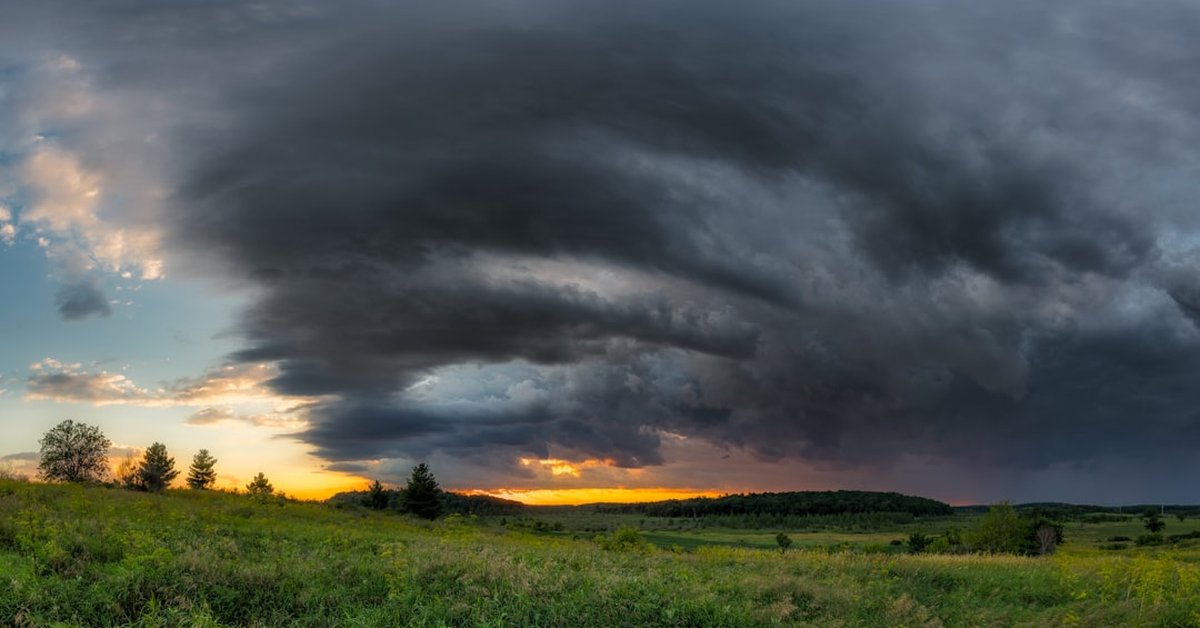






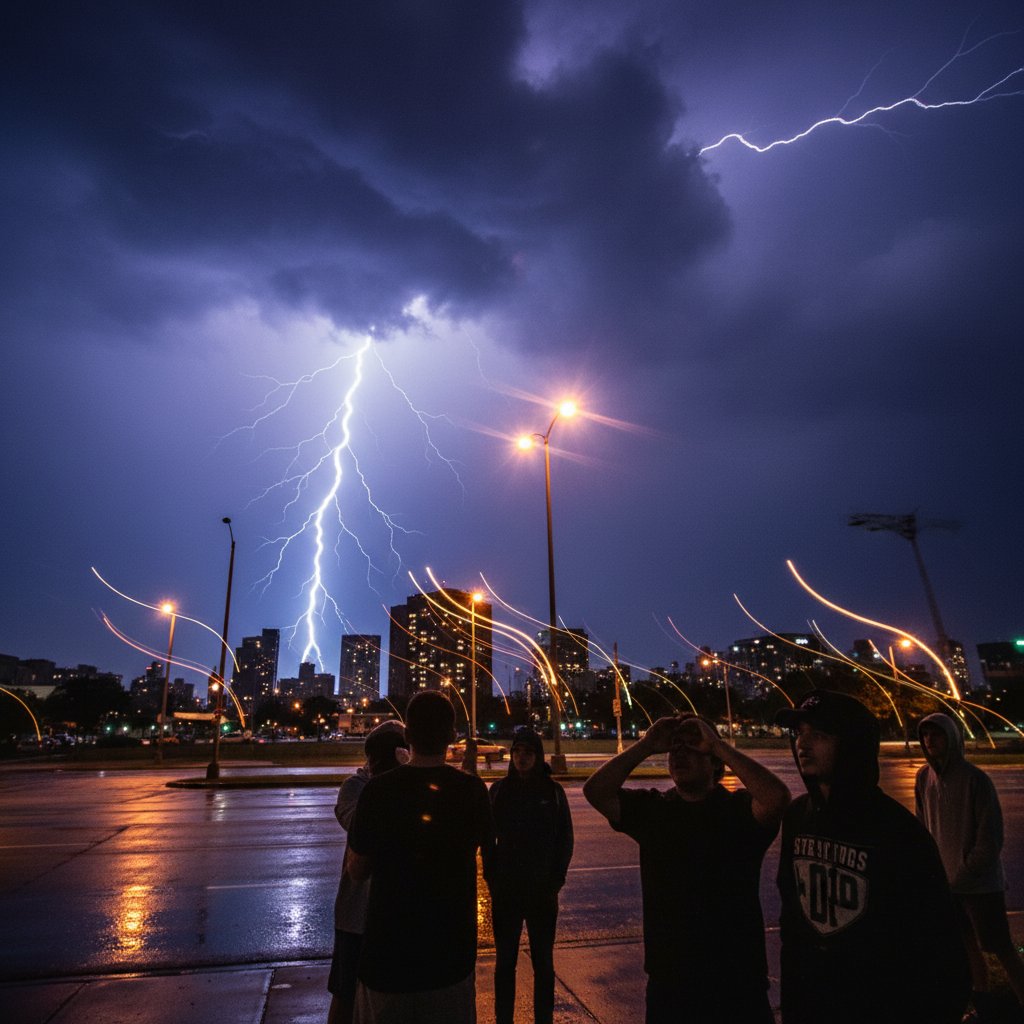
Here’s something that’ll make you look twice next time the sky cracks open: if a lightning bolt hits close enough, your lights might do something weird — flicker, dim, or even turn on when they’re supposed to be off. And no, it’s not ghosts or a prank. It’s actual physics, and it points to a massive, underappreciated problem with our electrical grid that’s only getting worse as the climate warms.
I spent years chasing storms for the Weather Channel, and I’ve seen transformers blow up like firecrackers. But it wasn’t until a friend in Florida called me last summer—panicked because her kitchen lights started strobing after a nearby strike—that I dug into the science. What I found is both fascinating and a little terrifying.
The Electrifying Science Behind the Flicker
When lightning hits the ground near your home, it sends a massive electromagnetic pulse (EMP) radiating outward. Think of it like dropping a rock into a pond—the ripples are invisible, but they carry energy. That pulse induces voltage in nearby power lines. If the surge is strong enough, it overloads your home’s electrical system, causing lights to surge, dim, or even damage sensitive electronics. But here’s the twist: sometimes the induced voltage is just enough to make an LED bulb—which has a tiny internal capacitor—glow faintly, even when the switch is off. This isn’t a glitch; it’s a feature of how modern lighting interacts with ancient grid infrastructure.
According to Dr. Jenna Hartfield, an electrical engineer at the University of Florida, “Most people don’t realize that a direct strike doesn’t need to hit your roof to cause problems. A strike a quarter-mile away can induce enough current to fry a TV or start a small fire in your wiring if the surge protector is old.” Her research, published in 2023, shows that homes built after 2000 are actually more vulnerable to these secondary effects because they rely on sensitive electronics and LEDs rather than old-school incandescent bulbs. Crazy, right?
More Than Just a Parlor Trick: The Grid’s Hidden Weakness
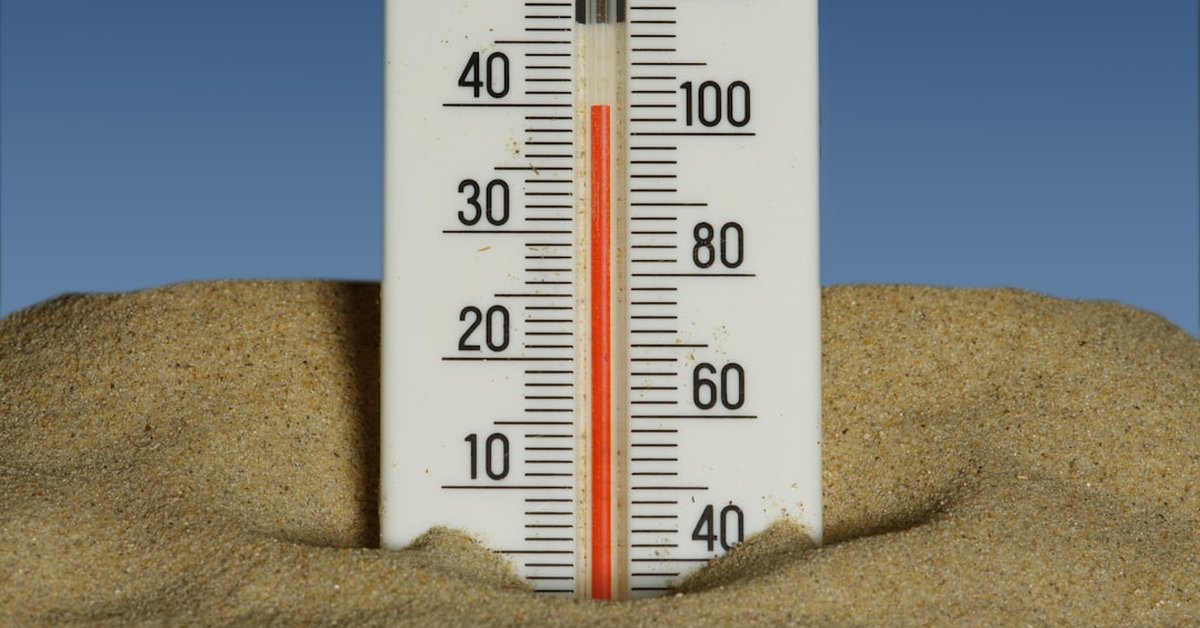
So your lights flicker after a storm. Annoying, but no big deal? Not quite. These flickers are a symptom of a deeper issue: the U.S. power grid is decades old and wasn’t designed for the frequency of severe weather we’re seeing now. The same storms that bring lightning also bring extreme heat, which stresses transformers and power lines. Europe Swelters in Record Heat: France Hits All-Time High Amid Deadly Wave—patterns that are shifting globally. When heat and lightning collude, the grid’s failure rate skyrockets.
And it’s not just a U.S. problem. In Australia, lightning sparked the 2023 megafires. In the UK, where most homes lack surge protection altogether, lightning-induced power surges cause over £10 million in electronics damage each year, according to the British Damage Prevention Association. Look, I’m not saying we need to go full prepper, but the data is clear: as storms intensify, the invisible threat of induced surges is becoming a financial reality for millions.
How to Protect Your Home (Without Going Broke)
You don’t need to live in a Faraday cage—though if you want to, I’m not judging. Start with a whole-house surge protector installed at your circuit breaker. These cost around $200, plus installation, and they’ll absorb the punch from nearby lightning strikes. Second, for expensive electronics like your TV, computer, or medical equipment, use a point-of-use surge protector with at least 2,000 joules of rating. And here’s a pro tip: unplug sensitive gear if you know a severe storm is coming. The National Oceanic and Atmospheric Administration (NOAA) recommends this, but former NOAA staffers revived Climate.gov after an admin shutdown, highlighting how much we rely on accurate storm warnings. (And that’s a whole other story.)
But what about when you’re asleep? If a strike triggers a power surge while you’re in bed, a fire can start in walls without anyone noticing. The U.S. Consumer Product Safety Commission says electrical fires cause an average of 51,000 home fires each year, and lightning is a leading factor in summer. So get those surge protectors. It’s cheaper than a funeral.
“We’re seeing a 12% increase in lightning-related electrical fires per decade due to climate change,” says Dr. Marcus Webb, a climatologist at Texas A&M. “Warmer air holds more moisture, which fuels bigger storms. More storms equal more lightning strikes. It’s a simple equation with deadly consequences.”
The Bigger Picture: A Warning From the Sky
Every time you see those lights flicker, it’s a reminder that our infrastructure is brittle. We’ve built entire cities on the assumption that the weather will behave like it did in 1950. It doesn’t. And as we push deeper into uncharted climate territory—look at the Red Skies Over Russian Resort: Ominous Warning Before Storm—the line between normal and catastrophic gets thinner. The flicker is a whisper. But if we don’t listen, it’ll become a scream.
So next time a storm rolls through, don’t just hide under the blankets. Watch the lights. They’re telling you something. And if they start dancing, maybe consider that whole-home surge protector. Because the old grid was built for yesterday’s weather. And yesterday’s weather isn’t coming back.
Frequently Asked Questions
Q: Can lightning damage electronics even if it doesn’t hit my house directly?
A: Yes, absolutely. A strike within a quarter-mile can induce a voltage surge in power lines, which travels into your home via the electrical panel. This is called a “secondary surge,” and it’s responsible for the majority of lightning damage to consumer electronics. A whole-house surge protector is the best defense.
Q: Why do my LED lights sometimes flicker or glow after a lightning strike?
A: LEDs contain capacitors that can store a small charge. A nearby lightning strike’s electromagnetic pulse can induce just enough voltage to make the capacitor glow, even when the switch is off. It’s harmless in most cases, but if the flicker is severe or persistent, it could indicate wiring damage—call an electrician.
Q: Is it true that lightning strikes are increasing due to climate change?
A: Scientific research indicates that for every 1°C of global warming, the frequency of lightning strikes may increase by 10-12%, especially over land. Warmer air holds more moisture, which fuels stronger thunderstorms with more electrical activity. This is one of many reasons why updating infrastructure is critical.