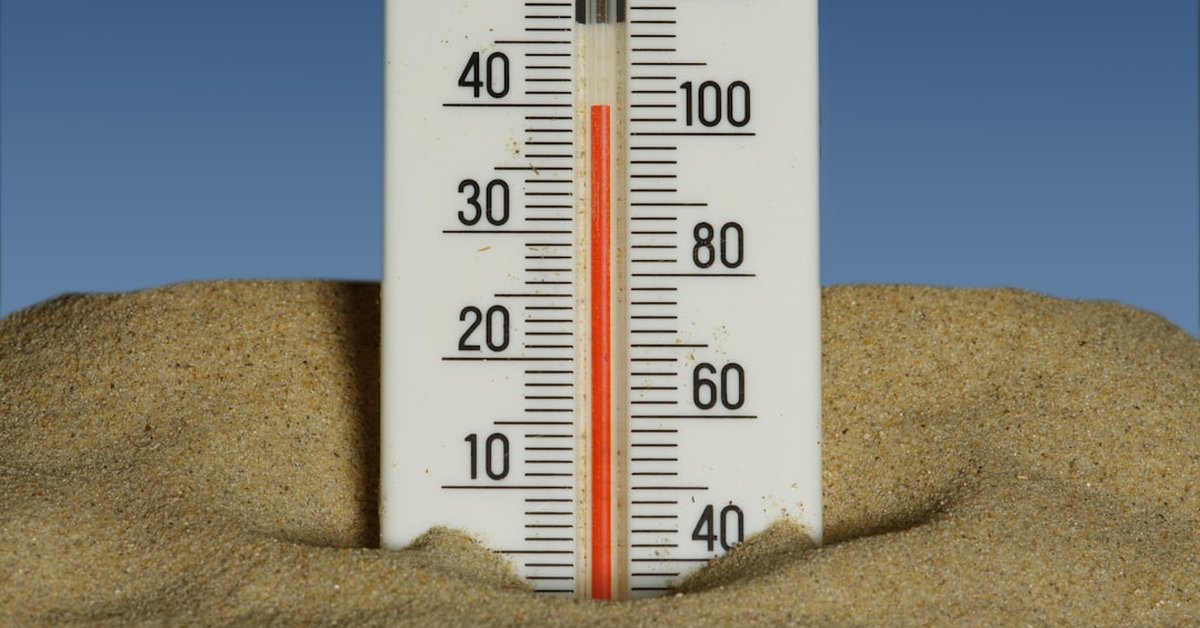







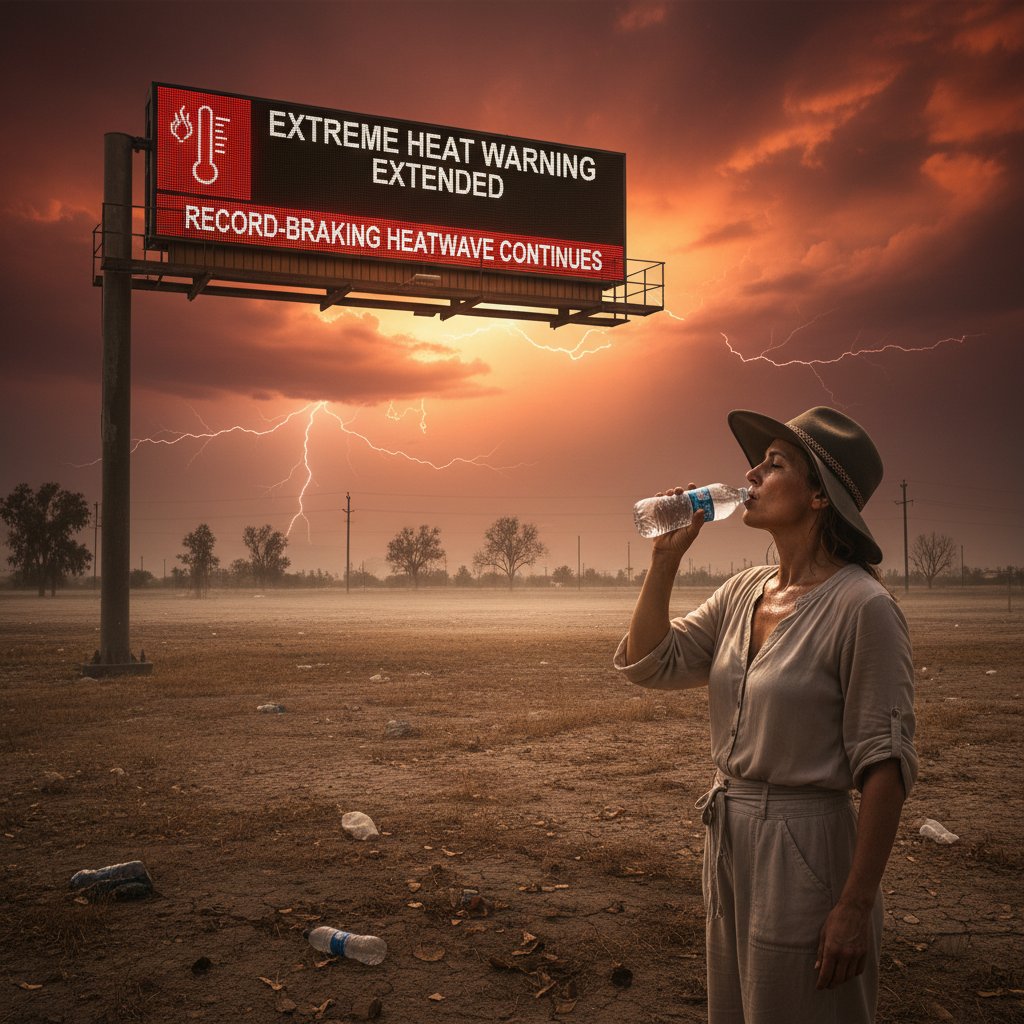
You’d think a red extreme heat warning would be enough to make people take cover. But as this record-breaking heatwave drags on, the reality is far more dangerous than most assume. The UK Met Office has extended its first-ever red warning for extreme heat through Tuesday, with temperatures predicted to climb to around 37 or 38°C in southern England — and a maximum of 39°C not out of the question. This isn’t just uncomfortable. It’s life-threatening.
The warning, initially issued for Monday, now covers a swath of England from London up to Manchester and York. We’re talking about a system that’s already shattered records. On Sunday, the UK recorded its hottest day of the year so far at 33.8°C in Santon Downham, Suffolk. But that’s just a warm-up. The real punch comes Monday and Tuesday, when the mercury could hit levels never seen in British history.
What the Numbers Actually Mean
Let’s get specific. The Met Office is forecasting 37°C widely across southern and central England, with localised hotspots potentially reaching 39°C. For context, the UK’s all-time record is 38.7°C, set in Cambridge in July 2019. We’re looking at potentially smashing that by a full degree. And here’s the kicker — nighttime temperatures won’t drop below 25°C in many urban areas. That means no relief. No cool-down. Just relentless heat baking into buildings, roads, and bodies.
Dr. Mark McCarthy, head of the Met Office National Climate Information Centre, put it bluntly: “This is unprecedented. We’re seeing temperatures that are simply not designed for the UK’s infrastructure or public health systems. The combination of daytime highs and tropical nights creates a cumulative stress that can overwhelm even healthy individuals.”
The red warning means there’s a real risk of illness and death among the general population, not just vulnerable groups. Hospitals are already seeing spikes in heat-related admissions. Train tracks are buckling. Runways at Luton Airport have been damaged. And the extreme heat across Europe creates a divide over leaving schools open, with some regions closing early while others push through — a debate that’s now hitting the UK hard as parents and teachers question safety protocols.
Why This Heatwave Is Different
This isn’t your typical summer scorcher. What’s driving this event is a combination of a high-pressure system parked over the UK and a plume of hot air sweeping up from North Africa and Spain. But there’s a deeper mechanism at play. Equatorial Rossby waves: the hidden driver of extreme weather patterns are helping to lock this heat dome in place, preventing the usual Atlantic weather systems from pushing through. These large-scale atmospheric waves ripple across the globe, and when they stall, you get prolonged extremes — like what we’re seeing now.
Look, I’ve covered heatwaves from Phoenix to Paris. What’s happening in the UK right now is different because the population isn’t adapted. Air conditioning is rare in homes. Buildings are designed to retain heat. Public transport systems — mostly unairconditioned — become ovens. The London Underground has already hit 36°C on some lines. That’s not just uncomfortable; it’s dangerous for people with respiratory conditions.
Professor Hannah Cloke, a natural hazards researcher at the University of Reading, warned: “We’re seeing a heatwave that’s breaking the mould. The UK’s heatwave plan was designed for events that happen every few years, not once-in-a-century extremes. We need to rethink what ‘extreme’ means because this is becoming the new normal.”
What You Need to Do Right Now
If you’re in the affected areas — and that’s basically everyone south of Manchester — here’s the drill. Stay indoors during peak heat hours, typically 11 a.m. to 4 p.m. Keep curtains closed. Drink water even if you’re not thirsty. Check on elderly neighbours and anyone with chronic health conditions. And for the love of everything, don’t leave kids or pets in cars. Even with windows cracked, interior temperatures can hit 50°C in minutes.
The NHS has issued specific guidance for heat exhaustion and heatstroke. Symptoms include headache, dizziness, nausea, and confusion. If someone stops sweating despite being hot, that’s a medical emergency — call 999 immediately. The UK Health Security Agency has raised its heat health warning to Level 4, which is the highest level and indicates a national emergency.
Transport for London is advising against all non-essential travel on Monday and Tuesday. Network Rail has imposed speed restrictions across most of the network because rails can buckle above 50°C surface temperature. And the aviation sector is struggling too — hot hot hot: the new reality of extreme heat waves across the globe is forcing airlines to reduce payloads because hot air is less dense, meaning planes need longer runways to take off.
The Bigger Picture — And What Comes Next
This heatwave isn’t an isolated event. It’s part of a pattern. Europe has seen five major heatwaves in the last four summers. The 2021 heatwave in the Pacific Northwest killed hundreds. India and Pakistan hit 50°C earlier this year. The science is clear: climate change is making these events more frequent, more intense, and longer-lasting. A study published in Nature Climate Change found that the UK’s chance of hitting 40°C has increased tenfold since pre-industrial times.
So what happens when the red warning ends? The heat will ease slightly by Wednesday, with temperatures dropping to the high 20s — still hot, but survivable. But the infrastructure damage will take weeks to repair. The health impacts will linger. And the psychological toll of living through something that feels apocalyptic — that doesn’t just disappear.
Dr. Friederike Otto, senior lecturer in climate science at Imperial College London, summed it up: “This is not a wake-up call. The alarm has been ringing for years. The question is whether we’re finally going to answer it by cutting emissions and adapting our cities. Because these temperatures are coming back, and they’ll be worse.”
For now, stay safe. Stay cool. And pay attention to the warnings — because this heatwave is rewriting the rules, and we’re all learning on the fly.
Frequently Asked Questions
What does a red extreme heat warning actually mean?
A red warning from the UK Met Office is the highest level of alert. It indicates that the heat is so severe that there is a risk of serious illness or death, even for healthy people. It triggers emergency response protocols from the NHS, local authorities, and transport agencies. You should avoid travel, stay indoors, and check on vulnerable individuals.
How long will this heatwave last?
The red warning is in effect through Tuesday, with peak temperatures expected Monday and Tuesday. By Wednesday, temperatures will drop to the high 20s Celsius (around 80°F), but it will remain warm. The extreme heat is driven by a stalled weather pattern that should break down by midweek.
Is this heatwave linked to climate change?
Yes. Multiple studies, including research from the Met Office and Imperial College London, show that climate change has made heatwaves like this one at least 10 times more likely. The UK’s chance of hitting 40°C has increased dramatically since the pre-industrial era. This is consistent with global trends of more frequent and intense extreme heat events.