






The air feels like a physical presence. In Phoenix, asphalt buckles. In London, trains slow down because the rails are warping. And in Delhi, people are dying — not from a virus or a war, but from the sheer, unrelenting heat. It’s a story playing out across continents this summer, and it’s not just a freak weather event. It’s a pattern.
We’re seeing heat waves that break records by margins that would have seemed impossible a decade ago. June 2024 was the hottest June ever recorded globally, according to NOAA’s latest climate report. And July? It’s shaping up to be even worse. The heat isn’t just uncomfortable. It’s deadly. It’s reshaping ecosystems, buckling infrastructure, and testing the limits of human endurance.
So what’s going on? Let’s break it down.
The Numbers Don’t Lie: Heat Records Are Falling Like Dominoes
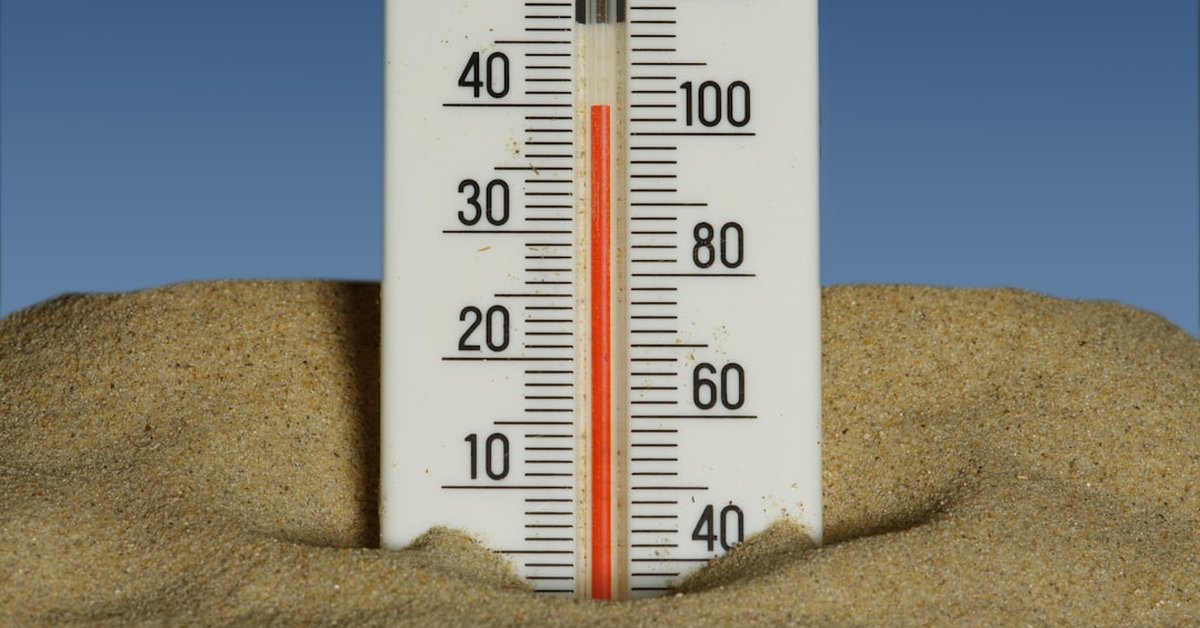
We’ve all heard the phrase “record-breaking heat” so often it’s almost background noise. But the sheer scale of recent events is staggering. In late June, a heat dome parked over the Pacific Northwest, pushing temperatures in Portland to 116°F (47°C) — a city where many homes don’t have air conditioning. Three days later, the same heat dome shifted east, baking Idaho and Montana. Then it drifted into Canada, where the village of Lytton hit 121°F (49.6°C) — a national record that stood for less than 24 hours before it was surpassed. Lytton then burned to the ground in a wildfire.
That’s the new reality. “We’re seeing heat waves that are not just hotter but longer-lasting and covering larger areas,” says Dr. John Nielsen-Gammon, Texas State Climatologist. “The probability of extreme heat events has increased dramatically due to climate change.” And he’s right. According to NASA’s global temperature data, the last nine years have been the warmest on record. Each new heat wave builds on a baseline that keeps rising.
But it’s not just about the numbers. It’s about what those numbers do to people. In the UK, where summer temperatures rarely topped 30°C (86°F) a generation ago, the mercury hit 40°C (104°F) in July 2022. That wasn’t a one-off. As we explored in Britain’s Boiling Point, the country’s infrastructure — from railways to hospitals — simply wasn’t built for this kind of heat. And it’s not alone.
Why This Heat Is Different: The Role of the Jet Stream and Climate Change
Look, heat waves have always happened. But the ones we’re seeing now are different. They’re more intense, they last longer, and they’re hitting places that never used to get them. The culprit? A wobbly jet stream and a warming planet.
The jet stream — that fast-moving river of air that circles the Northern Hemisphere — normally keeps weather systems moving. But climate change is slowing it down, causing it to meander in huge loops. When those loops get stuck, you get a heat dome: a high-pressure system that traps hot air underneath like a lid on a pot. And that lid stays put for days or weeks.
“The physics is straightforward,” explains Dr. Jane Baldwin, a climate scientist at Princeton University. “Greenhouse gases trap heat near the surface. That extra heat makes the jet stream more sluggish. And a sluggish jet stream means more persistent extreme weather — not just heat, but floods and droughts too.”
This isn’t theoretical. We’re seeing it play out in real time. In 2021, the Pacific Northwest heat wave was made at least 150 times more likely by climate change, according to a rapid attribution study. In 2023, a similar heat dome baked the southern US for weeks, sending Texas into a power crisis. And in 2024, it’s happening again — this time over a larger area.
The forests are feeling it too. Extreme heat dries out vegetation, turning landscapes into tinderboxes. In Canada, the 2023 wildfire season burned 45 million acres — more than double the previous record. That’s a direct link between heat and fire. As we reported in Bye Tree: How Extreme Weather Is Rewriting Forest Maps, the old forest ecosystems are struggling to adapt. Some species are migrating north. Others are simply dying.
What It Means for Your Health and Your Wallet
Heat isn’t just uncomfortable — it’s the deadliest weather-related hazard in the United States. More people die from heat than from hurricanes, tornadoes, and floods combined. And it’s a silent killer. “Heat doesn’t leave the same visual destruction as a hurricane, but it kills more people,” says Dr. Kristie Ebi, a professor of public health at the University of Washington. “The elderly, the very young, and people with chronic conditions are most at risk. But even healthy young adults can succumb if they’re not careful.”
And the economic toll is staggering. Heat waves reduce labor productivity, especially in outdoor industries like agriculture and construction. They spike electricity demand as people crank up air conditioners, leading to blackouts. They damage roads, railways, and power lines. A 2022 study estimated that extreme heat cost the global economy $16 trillion between 1990 and 2019. That number is only going up.
So what can you do? The basics still apply: stay hydrated, avoid the sun during peak hours, check on elderly neighbors. But individual actions only go so far. We need systemic changes. Better building codes. Cool roofs and green spaces. Early warning systems that actually reach vulnerable communities. And, of course, cutting the emissions that are driving this crisis.
The CDC’s extreme heat guide offers practical tips, but it also notes that heat-related illness is preventable. The key is recognizing the signs — dizziness, nausea, confusion — and acting fast.
Are We Prepared for the Next Heat Wave?
Short answer: not really. Most cities in the US and Europe are woefully underprepared for the kind of heat we’re now seeing. In the Pacific Northwest, where air conditioning was once rare, installations have surged. But that creates a new problem: when everyone runs their AC at once, the grid can’t handle it. In Texas, the grid operator has issued repeated calls for conservation during heat waves. In the UK, hospitals have had to cancel surgeries because the operating rooms got too hot.
Some places are getting smarter. Los Angeles is painting roads white to reflect heat. Paris is planting trees and creating “cool islands.” Ahmedabad, India, launched the first heat action plan in South Asia back in 2013, and it’s saved thousands of lives. But these are exceptions, not the rule. Most of the world is still building for a climate that no longer exists.
And that’s the real story here. Heat waves aren’t going away. They’re going to get worse before they get better — if they ever get better. The question isn’t whether the next record will fall. It’s whether we’ll be ready when it does.
As global temperatures continue to rise, the question is no longer if the next record-breaking heat wave will come, but how we adapt to a world where ‘hot’ is the new normal. The choices we make now — in urban planning, energy policy, and emissions reductions — will determine whether future summers are merely uncomfortable or truly unlivable.
Frequently Asked Questions
What is a heat dome?
A heat dome is a persistent, high-pressure system that traps hot air underneath it like a lid on a pot. It can last for days or weeks, leading to extreme temperatures and often worsening drought and wildfire conditions. Climate change is making heat domes more frequent and intense.
How can I stay safe during a heat wave?
Stay hydrated, avoid strenuous outdoor activity during peak heat (usually 10 a.m. to 4 p.m.), and seek air-conditioned spaces. Check on elderly neighbors and people with chronic conditions. Never leave children or pets in parked cars. Know the signs of heat exhaustion (heavy sweating, weakness, cold clammy skin) and heat stroke (hot red skin, confusion, loss of consciousness) — call 911 immediately if you suspect heat stroke.
Is climate change making heat waves worse?
Yes. Multiple scientific studies have shown that human-caused climate change has made extreme heat events more frequent, more intense, and longer-lasting. The baseline global temperature has risen about 1.2°C (2.2°F) since pre-industrial times, meaning every heat wave now starts from a hotter starting point. Attribution studies often find that individual heat waves are made dozens or hundreds of times more likely due to climate change.