



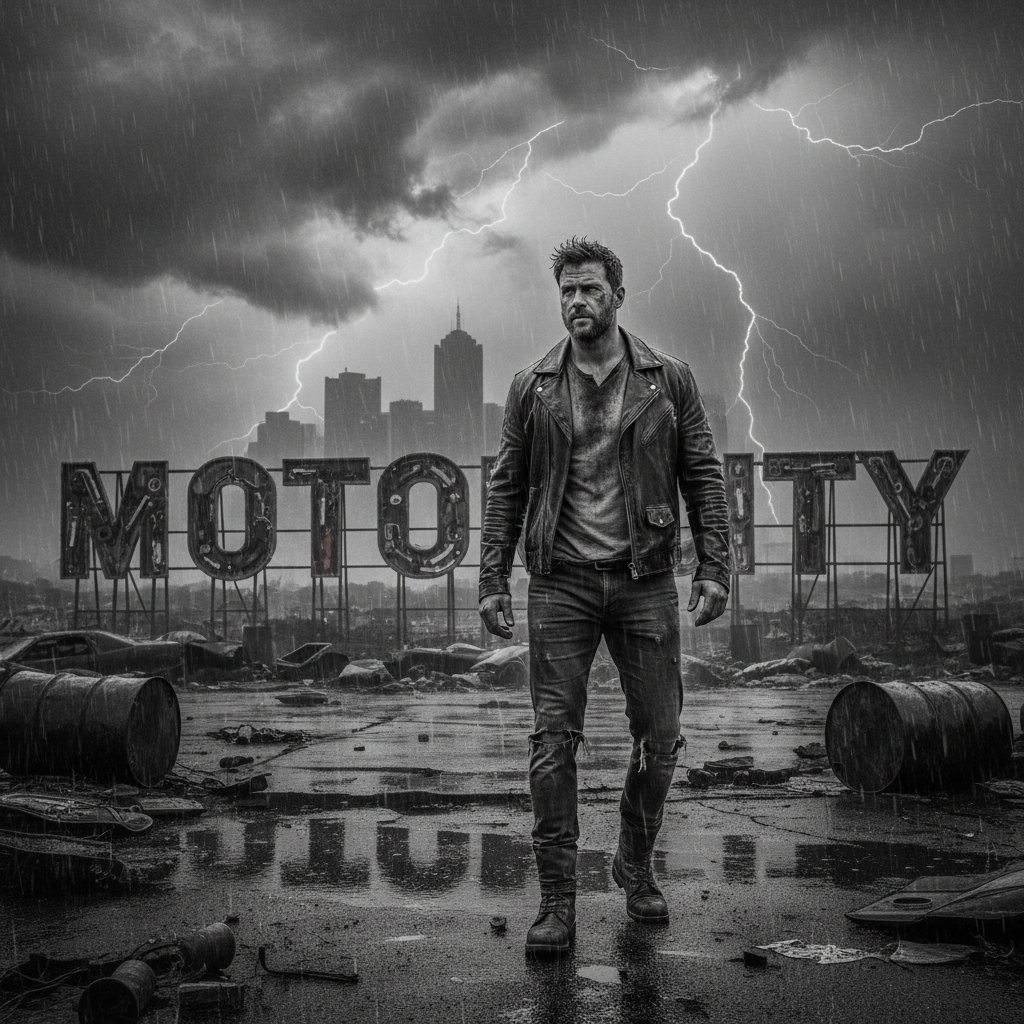
You’d think a movie about a man fresh out of prison looking for payback would be all about controlled chaos — stunt doubles, squibs, and choreographed fistfights. But for Alan Ritchson, star of the upcoming action thriller Motor City, the real unpredictability didn’t come from the script. It came from the sky.
Filming wrapped this spring in and around Detroit, but not before the production was hit by a series of violent storms that forced shutdowns, damaged equipment, and sent cast and crew scrambling for cover. What was supposed to be a straightforward shoot turned into a lesson in nature’s indifference to Hollywood schedules.
The Storm That Stopped the Show
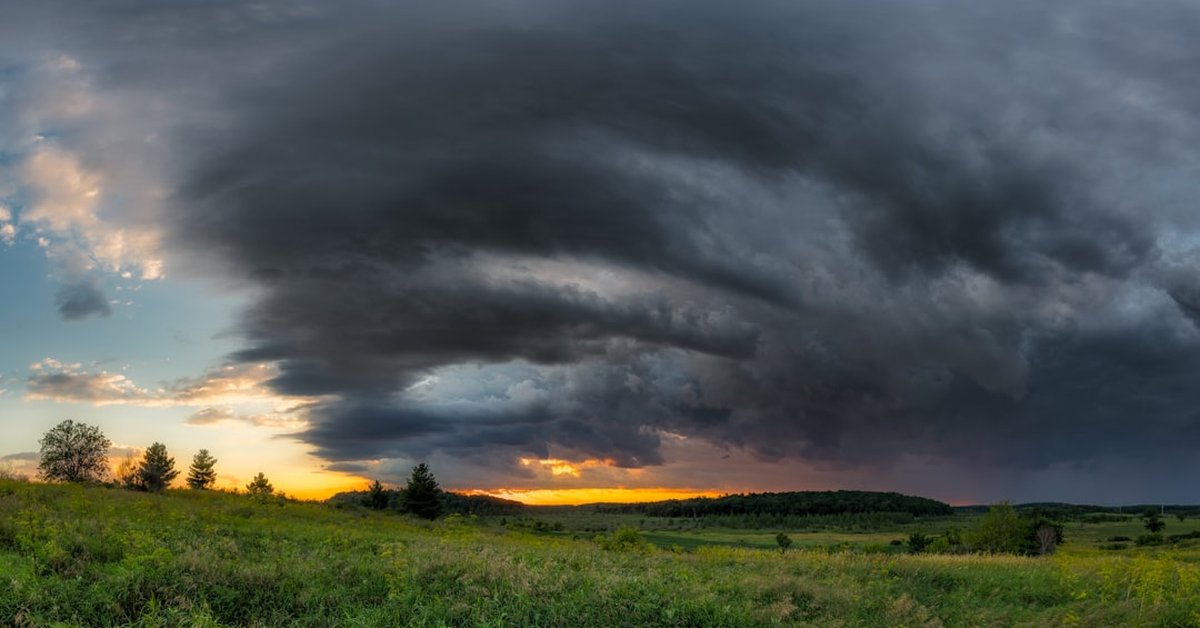
In early April, a squall line swept across southeastern Michigan with winds topping 70 mph. The National Weather Service issued a severe thunderstorm warning that caught the Motor City crew mid-scene. “We were shooting a night exterior near the old Packard Plant,” said location manager Diane Marchetti. “Suddenly the wind just ripped through. A lighting truss came loose. We had to evacuate everyone to a concrete parking garage.”
That storm wasn’t isolated. The region had already seen a wetter-than-normal March, and the ground was saturated. When the rain came, it turned the set into a mud pit. Delays stretched from hours into days. For a production with a tight budget, every lost hour hurt.
Ritchson, who also served as an executive producer on the film, reportedly pushed to keep the crew safe while still hitting deadlines. “Alan was adamant that nobody take risks,” Marchetti added. “He’s a big guy, but he’s got a soft spot for the team.”
The experience mirrors what many communities face when Eastern NC Battered: Tornadoes, Flooding, and a Dire Forecast — a reminder that severe weather doesn’t discriminate between a movie set and a trailer park.
Why Detroit? The Weather Gamble
Producers chose Detroit for its urban decay aesthetic and generous tax incentives. But the city sits in a corridor where lake-effect storms and spring squalls collide. Dr. Melissa Hart, a meteorologist at the University of Michigan, explained: “The Great Lakes create their own weather. In spring, you get these sharp cold fronts that drop hail, high winds, and even isolated tornadoes. It’s a high-risk period for outdoor filming.”
Indeed, the crew had to deal with not just rain but also a brief hailstorm that dented three rental vehicles. The production’s insurance premiums, already high, spiked after the claims. Yet the show went on — partly because the cast and crew learned to adapt. They built temporary shelters using heavy-duty tarps and sandbags, a trick borrowed from storm-prone construction sites.
That kind of improvisation echoes what many storm chasers and emergency managers already know. For instance, Why Buc-ee’s Is Becoming America’s Most Essential Storm Shelter highlights how even convenience stores can become lifelines when the weather turns. On the Motor City set, the local gas station became a de facto break room and shelter during the worst of it.
Human Impact: The Crew’s Story
Behind every delayed film is a crew that has to keep going. Gaffer Luis Reyes told me about the night the storm hit hardest. “We were all in the parking garage listening to the metal roof rattle. Someone joked it was like being inside a snare drum. But nobody was laughing. We had about 40 people huddled there for two hours.”
Reyes, who has worked on blockbusters and indie films alike, said he’s never seen a production hit by such persistent bad weather. “Usually you get one or two rain days. We got five. That changes the whole schedule. You start cutting scenes, you rush setups. It affects the final product.”
And it’s not just the crew. Ritchson himself has spoken in interviews about the emotional toll of production delays. “You’re trying to stay in character, but the weather keeps breaking your focus,” he said in a recent press junket. “I remember standing in the rain thinking, ‘This is nothing like what I imagined.'”
But the actor also found a silver lining. The forced downtime allowed him to bond with the cast and refine fight choreography in a dry warehouse nearby. “Sometimes the storm gives you a gift,” he said. “You just have to be willing to see it.”
What This Means for the Movie — and for Us
Motor City is set for a late 2025 release, and early buzz suggests the action sequences are raw and visceral. But the weather-related delays may have also shaped the tone. Some scenes were rewritten to be shot indoors, giving the film a claustrophobic feel that director Miles Joris-Peyrafitte says actually works in its favor. “The constraint forced us to be more creative,” he told Variety.
For audiences, the film will likely be a thrilling ride. But for those who follow weather, it’s also a case study in how nature can upend even the most carefully laid plans. As climate change makes severe storms more frequent and intense, productions everywhere will have to rethink their contingency strategies. NOAA’s weather resources are already being used by more film coordinators to plan shoot calendars.
And for Alan Ritchson? He’s already talking about his next project — a survival thriller set in the desert. Let’s hope he checks the forecast first.
Frequently Asked Questions
Was ‘Motor City’ actually delayed by storms?
Yes, production faced multiple severe weather delays during spring 2024 in Detroit, including a squall line with 70 mph winds and a hailstorm that damaged equipment.
How did the crew stay safe during the storms?
Crew members evacuated to a concrete parking garage and used temporary shelters. The production also borrowed storm-preparedness tactics from construction sites, such as heavy tarps and sandbags.
Will the weather delays affect the movie’s release date?
Despite the setbacks, Motor City is still on track for a late 2025 release, though some scenes were rewritten to be shot indoors, which may have changed the film’s visual style.