




“It’s like someone pulled a gray wool blanket over the whole town,” says Dr. Sarah Mitchell, a meteorologist with the National Weather Service office in Goodland, Kansas. “These low clouds aren’t just a pretty sight—they can ground planes, delay farm work, and even mess with your commute.”
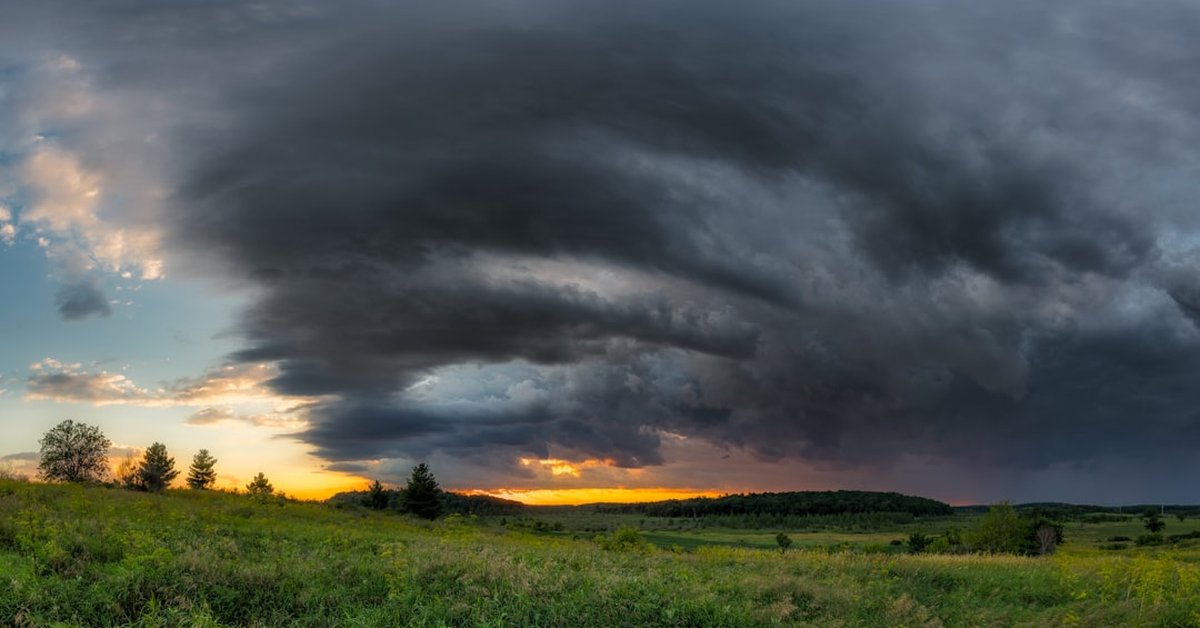
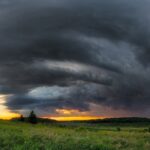
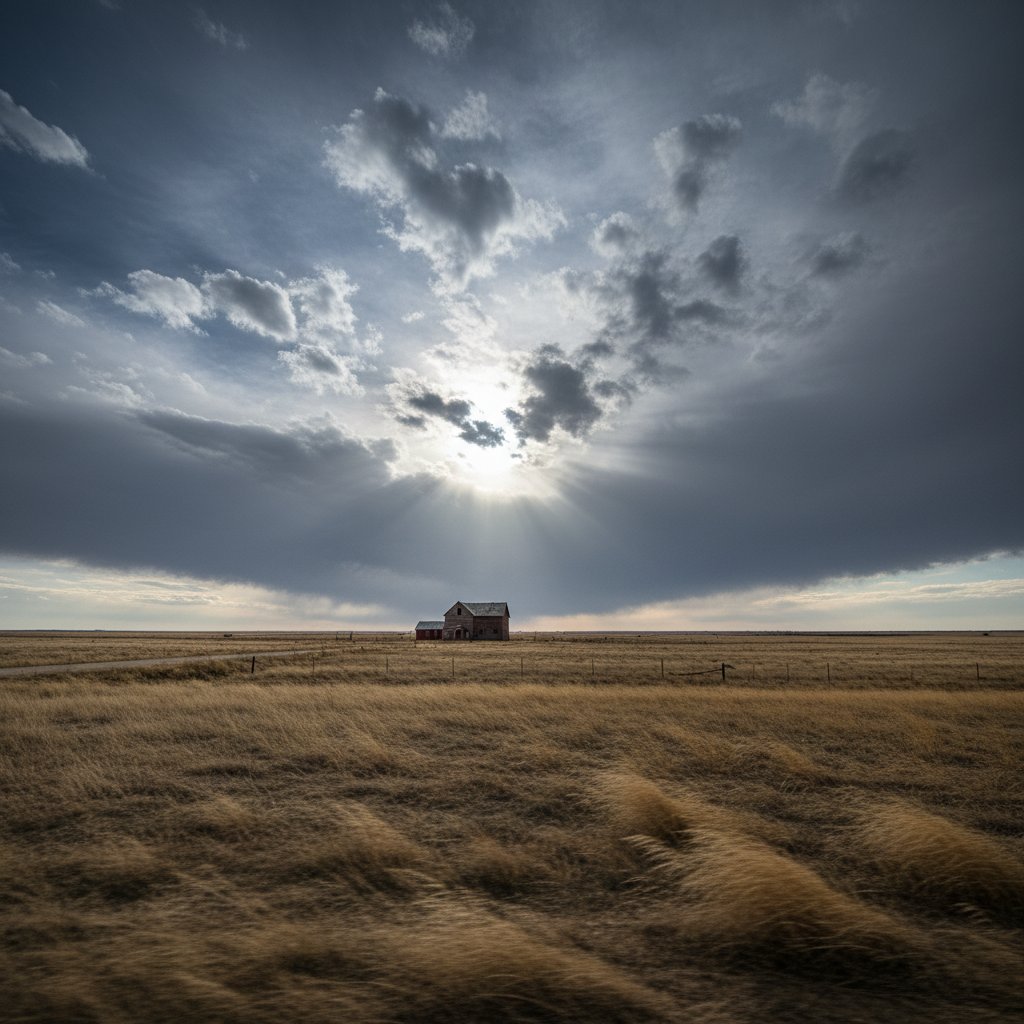
This morning, Goodland, Kansas woke up under a thick layer of scattered low clouds. The image, credited to Frontier Ag, shows a familiar scene for residents of the High Plains: a milky horizon, muted colors, and that damp chill that seeps into your bones. But behind the serene photograph lies a weather phenomenon that carries real consequences—for agriculture, aviation, and daily life in this corner of the Great Plains.
A Morning Shroud Over the High Plains
The low clouds that rolled in overnight are what meteorologists call stratocumulus—a low, lumpy cloud deck that often forms when cool air moves over warmer, moist ground. In Goodland, sitting at nearly 3,700 feet above sea level, these clouds hug the terrain like a second skin. By sunrise, visibility dropped to under a mile in some spots, and the temperature barely budged from the mid-40s.
For folks at Frontier Ag, a local grain and fertilizer cooperative, that morning cloud cover is more than just a photo op. “We’ve got guys waiting to spray fields,” says John Hardin, operations manager at Frontier Ag. “If the ceiling doesn’t lift by noon, we’re looking at a delayed schedule. And when you’re in the middle of spring planting, every hour counts.”
It’s a story that plays out across the Plains every spring. Warm days, cool nights, and lingering moisture from recent rains create perfect conditions for low clouds and fog. And while Goodland’s morning shroud might not make national headlines, it’s a quiet reminder that weather doesn’t have to be extreme to disrupt lives.
The Science Behind the Low Clouds
So what exactly causes these scattered low clouds? It starts with the ground. After a wet April—Goodland saw nearly 2 inches of rain last week—the soil is saturated. As temperatures drop overnight, that moisture condenses into tiny water droplets just above the surface. If the wind is light and the air stable, those droplets hang around as fog or low clouds until the sun burns them off.
According to the NOAA Jet Stream guide to fog, this is a textbook case of radiation fog—the kind that forms on clear, calm nights when the ground cools rapidly. But in Goodland, the clouds are a bit higher, so it’s more accurately described as a low stratus deck. Either way, the result is the same: reduced visibility and a slow start to the day.
“It’s not as dramatic as a supercell or a blizzard, but these low-cloud events are actually more common than people think,” says Dr. Mitchell. “We see them maybe 30 to 40 mornings a year, especially in spring and fall. They’re a staple of High Plains weather.”
And while the fog in Goodland is a far cry from the chaos described in The Day the Sky Closed In: How a Freak Fog Paralyzed NYC’s CBD, it still poses its own set of challenges. In New York, fog snarled traffic and shut down airports. Here, it’s more about patience—and a few extra cups of coffee while waiting for the sun to break through.
Impact on Farming and Aviation
For agriculture, low clouds are a double-edged sword. On one hand, they slow down evaporation, keeping soil moist for longer—a blessing in a region that’s no stranger to drought. On the other, they delay critical fieldwork. Spraying crops, for instance, requires good visibility and stable air; fog can cause drift or uneven coverage. And if the clouds linger into the afternoon, farmers lose precious hours in an already tight planting window.
“We’re watching the radar like hawks,” says Hardin. “If these clouds break by 10 a.m., we’re golden. If they hang around until noon, we might have to push some jobs to tomorrow.”
Aviation feels the pinch too. Goodland’s municipal airport (KGLD) handles mostly general aviation—crop dusters, private planes, and the occasional medevac flight. Low ceilings and poor visibility can force pilots to cancel or divert. “Even a 500-foot ceiling is enough to keep a VFR (visual flight rules) pilot on the ground,” explains Dr. Mitchell. “And that’s exactly what we’re seeing this morning.”
The National Weather Service Goodland office issues regular aviation forecasts for the region, and this morning’s TAF (terminal aerodrome forecast) called for gradual improvement by mid-morning. But as any pilot will tell you, forecasts are just educated guesses—especially when it comes to low clouds.
When Will It Burn Off?
Typically, these scattered low clouds start to break up by late morning, as the sun heats the ground and stirs up the air. But it’s not a guarantee. If the cloud deck is thick enough, or if a weak weather system moves in, the gloom can last all day. That’s what happened back in April 2023, when a stubborn low cloud layer sat over Goodland for nearly 36 hours, causing a spike in car accidents and grounding all local flights.
For now, the outlook is optimistic. Satellite imagery shows a clear slot approaching from the west, and temperatures are forecast to climb into the low 70s by afternoon. “By lunchtime, this should be a distant memory,” says Dr. Mitchell. “But mornings like this are a good reminder that weather isn’t just about storms and heat waves. Sometimes it’s just a gray sky that makes you hit the snooze button one more time.”
And that’s the thing about the High Plains: the weather is never boring, even when it’s quiet. Whether you’re a farmer watching the horizon or a pilot checking the METAR, these scattered low clouds are part of the rhythm of life here. They’ll burn off, the sun will shine, and tomorrow morning? Well, we might just do it all over again.
Frequently Asked Questions
What causes low clouds and fog in Goodland, Kansas?
Low clouds and fog in Goodland typically form when moist air near the ground cools overnight, especially after recent rains. The cool air condenses water vapor into tiny droplets, creating a low stratus cloud deck or fog. This is common in spring and fall when temperature swings are large.
How long does morning fog usually last in the High Plains?
Most morning fog or low cloud events burn off by late morning, usually between 9 a.m. and noon. The timing depends on cloud thickness, wind speed, and how quickly the sun heats the ground. In rare cases, it can persist all day if a weather system stalls.
Does low cloud cover affect crop spraying?
Yes. Low clouds and fog reduce visibility and can cause uneven spray coverage or chemical drift. Farmers often delay spraying until the clouds lift and the air is more stable. This can push back planting schedules, especially during busy spring seasons.