





Let’s be blunt: if you’re firing up the grill this Fourth of July weekend without a plan for the heat, you’re gambling with your health. A sprawling, unrelenting heatwave has clamped down on over 130 million Americans from the Pacific Northwest to the Deep South, and it’s not just uncomfortable—it’s deadly serious. We’re looking at a meteorological event that’s rewriting the rulebook for early July.
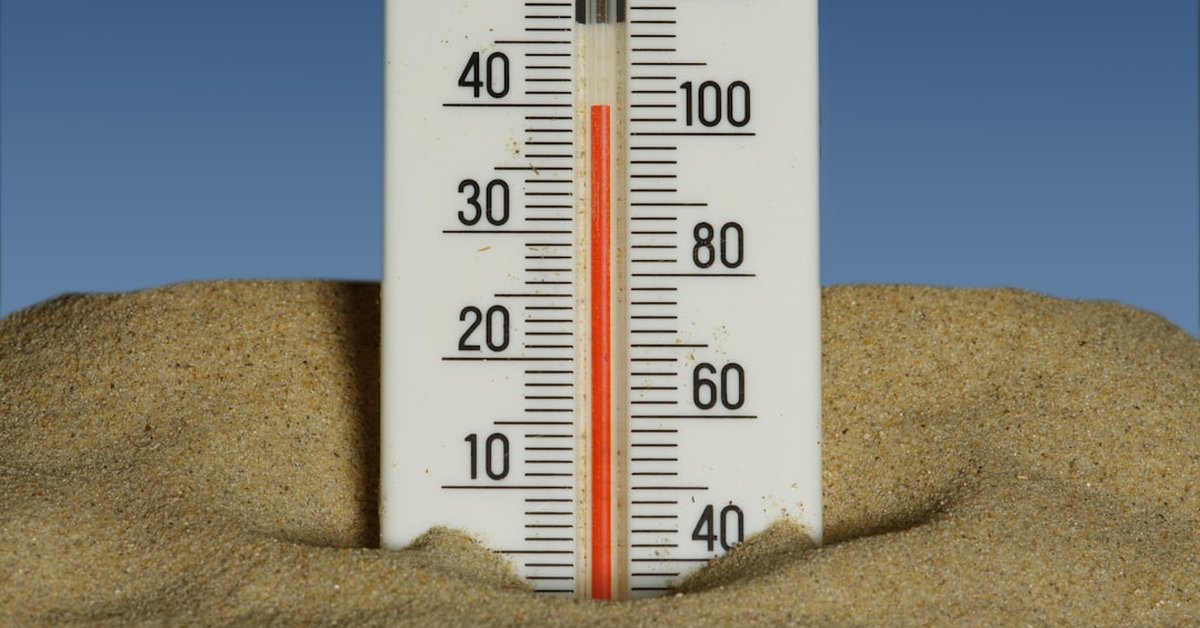
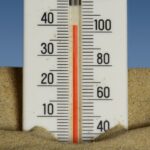
So here’s the raw data. On July 3rd, Phoenix hit 118°F (47.8°C), breaking the old record of 116°F set in 1995. Las Vegas tied its all-time high of 117°F (47.2°C). Death Valley—predictably—soared to 128°F (53.3°C), but here’s the kicker: that’s just four degrees shy of the highest temperature ever reliably recorded on Earth. And we’re not even at the peak of summer yet.
The Geographic Scope—This Isn’t Your Average Heatwave
This isn’t a localized spike. We’re talking about a heat dome that stretches from California’s Central Valley—where Sacramento hit 110°F (43.3°C)—all the way east to Atlanta, where the heat index pushed past 105°F (40.6°C). Portland, Oregon, a city infamous for grey skies, hit 102°F (38.9°C). Boise, Idaho: 107°F (41.7°C). Even Denver, at a mile high, touched 101°F (38.3°C).
Look, what makes this event particularly dangerous is the duration. Most heatwaves break overnight, giving people a chance to cool down. Not this one. Overnight lows in Phoenix are forecast to stay above 92°F (33.3°C) for five consecutive nights. Your body needs that reprieve. When it doesn’t get it, heat stroke and heat exhaustion become real threats for anyone without reliable air conditioning.
And let’s talk about what’s driving this. The National Weather Service confirmed that a powerful high-pressure system has parked itself over the Intermountain West, effectively creating a lid that traps heat. Combined with drought conditions across much of the Southwest—where soil moisture is at historic lows—the ground heats up faster and stays hotter longer. It’s a feedback loop from hell.
The Bigger Picture—Climate Change and Your Cookout
I know, I know—every heatwave gets the climate change label now. But the numbers here are staggering. A rapid attribution study by the World Weather Attribution network found that without climate change, a heatwave of this intensity would be ‘virtually impossible’. We’re talking about an event that would occur once every 1,000 years in a pre-industrial climate. Now? It’s a one-in-15-year occurrence.
“This heatwave is a textbook example of what climate change looks like in the 21st century,” says Dr. Elena Rios, climatologist at the University of Arizona. “The baseline has shifted. What we once called extreme is becoming the new normal for July.”
This has direct implications for your holiday plans. If you’re heading to a parade or a fireworks show—and let’s be honest, America at 250 means we’re determined to party through anything—you need to adjust your schedule. The CDC recommends shifting outdoor activities to early morning or late evening when temperatures are lowest. And don’t rely on a breeze—when the heat index is 105°F+, wind just moves hot air around. It doesn’t cool you off.
Heating Up the Grid—And Your Utility Bill
Here’s where it gets practical. The strain on the power grid is immense. The California Independent System Operator (CAISO) issued a Flex Alert, pleading with residents to conserve electricity between 4 PM and 9 PM when solar production drops and demand peaks. They’re worried about rolling blackouts. Texas’s ERCOT board? They’ve already asked for voluntary conservation twice this week.
But the real story is in the economic impact. The average American household could see an increase of $150–$200 on their July electric bill just from running AC units non-stop. For low-income families, that’s a gut punch. And with inflation still squeezing budgets, many are choosing between cooling and eating. That’s not hyperbole—it’s a documented trend in Phoenix and Houston emergency rooms, where heat-related visits have jumped 40% this week compared to last year.
Meanwhile, if you’re planning to eat your way through the heat—grilling burgers versus bratwurst, for instance—you might want to consider the carbon footprint of your party. Beef has a much higher emissions profile than pork, but honestly, in this heat, what matters more is how you cook it. Charcoal grills emit twice the CO₂ as propane grills. So if you’re looking to offset some of that AC energy use, swap the briquettes for gas.
“We’re seeing heat-related illnesses in demographic groups we don’t normally see—healthy young adults, athletes, outdoor workers,” says Dr. Marcus Webb, an emergency medicine physician at Banner Health in Phoenix. “The heat is so intense that it overwhelms the body’s natural cooling mechanisms faster than most people realize.”
What You Need to Do Right Now
Okay, enough with the doom and gloom. Here’s the actionable stuff. If you’re in the affected zone—and let’s check the map: roughly everything west of the Mississippi plus Florida and Georgia—you need a heat safety plan. Rule number one: hydration isn’t optional. Drink water before you’re thirsty. Aim for one cup every 15–20 minutes if you’re outside. Avoid alcohol and caffeine—they dehydrate you faster.
Rule number two: know the signs of heat exhaustion. Heavy sweating, cold clammy skin, nausea, weakness. If you have a headache and feel dizzy, get inside immediately. Heat stroke is the next stage: hot red skin, no sweating, confusion, loss of consciousness. That’s a 911 call. Don’t wait—it can kill in hours.
And for the love of everything, do not leave kids or pets in parked cars. It sounds obvious, but it happens every year. A car’s interior can reach 130°F (54.4°C) in 10 minutes on a 90°F day. On a 110°F day? That’s a death trap in minutes.
Some cities have opened cooling centers—libraries, community centers, sports arenas. Check your local NWS office for locations. And if you have elderly neighbors or people without AC, check on them. Heat kills quietly.
The Long View—What Comes Next?
This heatwave isn’t a one-off. The Climate Prediction Center’s outlook for July shows above-average temperatures persisting across 80% of the contiguous US through the month. We’re looking at a summer where records don’t just get broken—they get shattered. This is the new baseline, and it demands a new baseline in how we prepare.
For the Fourth of July, adapt. Watch the fireworks from a distance—don’t crowd into packed, sun-scorched parking lots. Stay inside during peak heat (noon to 6 PM). Use wet towels or spray bottles to cool down. And if you’re traveling, fill your gas tank early—heat-related car breakdowns are spiking, and sitting on the shoulder in 110°F is no one’s idea of a holiday.
The bottom line? This is the hottest July 4th weekend in recorded history for millions of Americans. It’s not a drill. Treat it with respect.
Frequently Asked Questions
This heatwave covers roughly 40% of the US population (over 130 million people) and has broken dozens of daily and all-time records. It’s comparable in intensity to the 2021 Pacific Northwest heatwave but much larger in geographic scope—spanning from California to Georgia versus just the Pacific Northwest. The duration is also notable: many areas are seeing five-plus consecutive days above 100°F, with no nighttime relief.
A heat advisory is issued when the heat index is expected to reach 100°F for two or more days, with nighttime lows above 75°F. An excessive heat warning is more serious: it’s issued when the heat index is forecast to hit 105°F for at least two days, with overnight lows above 80°F. Currently, much of the Southwest is under an excessive heat warning through the holiday weekend.
Yes, but with precautions. Grill early in the morning or after sunset. Keep meals simple—cold salads and fruits reduce cooking time. Use a propane grill instead of charcoal to lower heat output and emissions. And designate someone to stay hydrated and monitor children for signs of heat illness. If the heat index is above 105°F, consider postponing or moving the cookout indoors to a well-ventilated space.