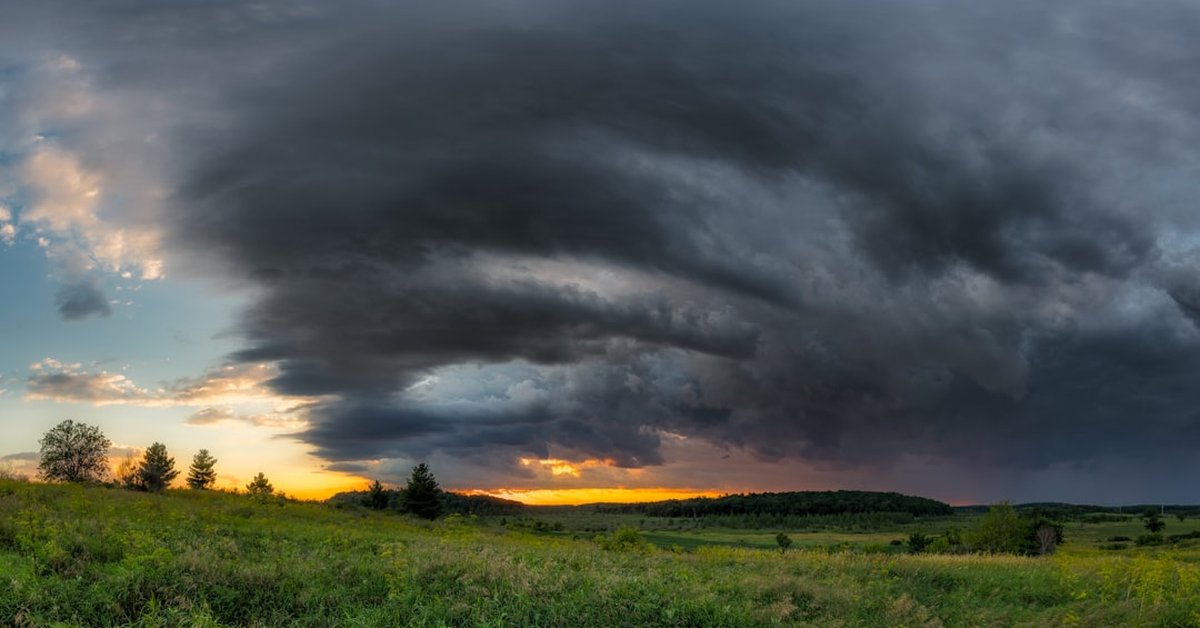






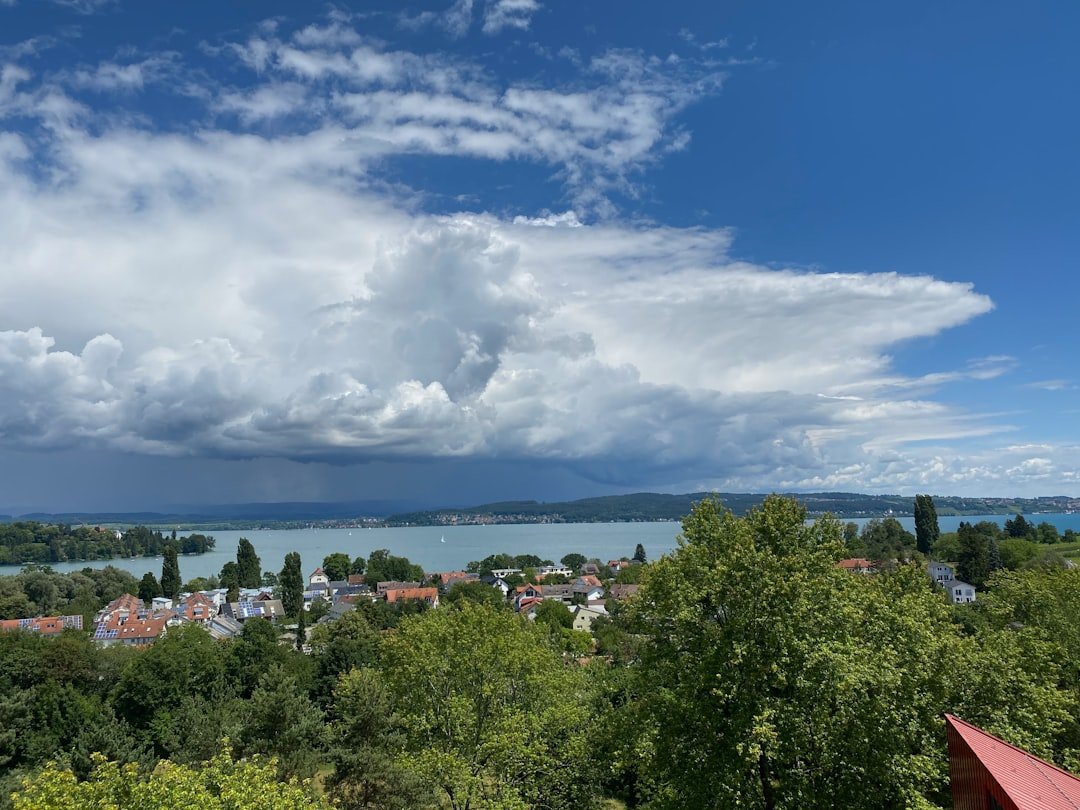
And just like that, the lake wasn’t a lake anymore. It became a stage for something ancient and violent. On the afternoon of July 4, tourists and locals along the shores of Lake Constance—the Bodensee, as Germans call it—watched in disbelief as a dark, twisting column descended from a thunderous sky, churning the water into a froth of spray and debris. It wasn’t just any waterspout. Meteorologists are calling it a tornadic waterspout, a rare and dangerous cousin of the classic fair-weather variety. And it’s happening in a place where such things are almost never seen.
The phenomenon lasted roughly 12 minutes, moving slowly across the lake near the town of Friedrichshafen before dissipating. Witnesses reported sudden wind shifts, marble-sized hail, and a freight-train roar. Video footage shows the funnel appearing to touch the water with a distinct debris cloud—a hallmark of tornadic activity. The German Weather Service (DWD) later issued a statement confirming that radar data indicated rotation within the parent thunderstorm, strong enough to classify the event as a weak tornado over water.
Look, it’s not every day you see a twister on one of Europe’s largest lakes. Lake Constance, which touches Germany, Austria, and Switzerland, is better known for sailing, wine, and medieval towns. Not for spinning columns of air. But the climate is changing, and so are the odds.
What Exactly Is a Tornadic Waterspout?
Most people picture waterspouts as wispy, harmless funnels that form beneath summer cumulus clouds. Those are fair-weather waterspouts—they develop from the surface up, and they’re generally weak. A tornadic waterspout, however, is born from a supercell thunderstorm. It’s a tornado that happens to cross water. And it can be just as destructive as its land-based counterpart.
“The distinction is crucial,” says Dr. Thomas Märtens, a senior meteorologist at the German Weather Service. “A tornadic waterspout has the same parent storm circulation as a land tornado. It can produce wind speeds over 100 mph. When it moves ashore, it doesn’t just fizzle—it keeps tearing things up.”
The Bodensee event fits that profile. Witnesses reported visible rotation in the cloud base before the funnel stretched downward. That’s a classic tornadic signature. DWD data suggests wind speeds of 110 to 130 km/h (68-81 mph), enough to damage small boats and cause minor structural damage along the shoreline. Fortunately, no injuries were reported. But it was a close call for a region that rarely sees any kind of tornado.
According to the National Weather Service’s guide on waterspouts, true tornadic waterspouts account for less than 10% of all waterspout reports in the United States—and even fewer in Europe. So when one appears on the Bodensee, it’s both a meteorological curiosity and a warning sign.
The Scene Over Bodensee: Eyewitness Accounts
Greta Hauser was photographing the sunset from a lakeside park in Friedrichshafen when she noticed something odd. “The clouds looked angry, like a bruise,” she said. “Then I saw this thin rope start to descend. It got thicker and darker, and the water below it started spinning. I’ve lived here my whole life. I’ve never seen anything like it.”
Her photos and video quickly went viral on German social media, prompting a flood of questions. Was it a tornado? A waterspout? Should people have evacuated? The DWD’s Dr. Märtens told local radio that while the waterspout was weak, it was “absolutely a tornadic event” driven by the same atmospheric instability that produces land tornadoes. That instability came from a potent combination of hot, humid air and an approaching cold front—conditions that have become more common over central Europe in recent years.
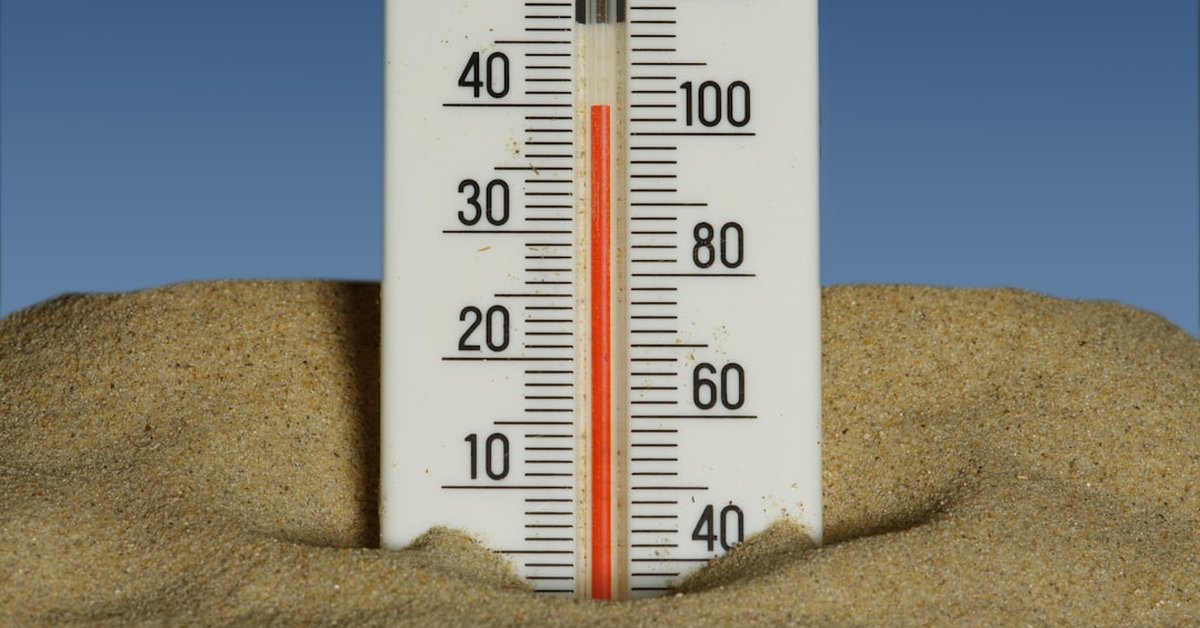
The timing is notable. This event occurred during a broader European heat dome that has already shattered records, with temperatures in parts of Germany reaching 38°C (100°F) just days earlier. The heat fueled intense thunderstorms, and the Bodensee’s relatively warm surface water—nearing 22°C in early July—may have added extra energy to the storm.
How Climate Change Plays a Role
This isn’t a simple one-to-one link. You can’t say “climate change caused this waterspout.” But you can say it loaded the dice. Warmer air holds more moisture, and warmer lake surfaces increase the potential for convective energy. Europe has seen a noticeable uptick in severe convective storms over the past two decades, including several tornadoes in countries like Germany, France, and Italy that historically had very low risks.
Dr. Elena Schröder, a climate researcher at the University of Munich, has studied the trend. “Our models suggest that the frequency of environments favorable for tornadic storms in central Europe could increase by 10-20% by mid-century under high-emission scenarios,” she explains. “The Bodensee region is particularly vulnerable because the lake itself acts as a heat and moisture source. Waterspouts may become a more regular feature of summer weather here.”
Indeed, the lake’s water temperature has risen roughly 1.5°C over the past 40 years—faster than the global ocean average, due to its shallow depth and enclosed geography. That’s a significant source of instability. And as the Reuters report on Europe’s recent heatwaves has documented, these heat extremes are becoming more intense and more frequent.
But it’s not just about temperature. The large-scale circulation patterns that bring tornado-favorable conditions are shifting. The jet stream is wobbling more, stalling weather systems over Europe, and that can create the persistent wind shear needed for rotating storms. This Bodensee event may be a preview of a stormier future.
What This Means for European Weather
For residents around Lake Constance, the immediate takeaway is vigilance. Most waterspouts are harmless and rare, but a tornadic one demands respect. The DWD has already begun updating its alert systems to include specific warnings for tornadic waterspouts—a first for the region.
“People need to understand that a funnel cloud over water is not always something beautiful to photograph. It can be a deadly hazard,” says Dr. Märtens. “If you see one, get indoors immediately. Do not try to get a better angle.”
The broader implication is for infrastructure and emergency preparedness. Lakeside communities across Germany, Austria, and Switzerland have historically invested little in tornado resilience. Buildings lack tie-downs for roofs, outdoor events have no safe refuge plans, and boat marinas are often wide open. A moderate tornado moving ashore from the Bodensee could cause significant damage, especially during peak tourist season.
And it’s not just Europe. The record-breaking June heat in England shows that the entire northern hemisphere is wrestling with a destabilized atmosphere. The same heat dome that baked the UK and Germany is also fueling severe storms in North America. Weather patterns are connecting in ways that catch even forecasters off guard.
So here’s the bottom line: the tornadic waterspout over the Bodensee wasn’t a freak accident. It was a logical product of an atmosphere that’s amped up on excess energy. The lake still looks peaceful today, but the memory of that twisting column lingers. It’s a reminder that even the most iconic European landscapes are not immune to the raw power of a changing climate. And if the trends continue, memories like this one will become a lot more common.
Frequently Asked Questions
What is a tornadic waterspout, and how is it different from a regular waterspout?
A regular (fair-weather) waterspout forms from the water surface upward and is typically weak, with winds under 50 mph. A tornadic waterspout develops from a rotating thunderstorm (supercell) and descends from the cloud base. It behaves like a tornado over land—can have winds exceeding 100 mph and can cause significant damage when it moves ashore.
How often do waterspouts occur on Lake Constance?
Fair-weather waterspouts are occasionally reported on Lake Constance, perhaps once or twice a year on average. However, tornadic waterspouts are extremely rare. This July 4 event is the first confirmed tornadic waterspout on the lake in the past two decades, according to the DWD.
Is climate change making waterspouts more common in Europe?
Climate science can’t yet say conclusively that waterspout frequency is increasing, but the conditions that produce tornadic waterspouts—warmer lake surfaces, higher atmospheric moisture, stronger instability—are all becoming more common in central Europe. Researchers project a 10-20% increase in favorable environments by mid-century, which could lead to more such events.