







“It’s not that people don’t care — it’s that the brain treats repeated warnings like background noise. The first one is a jolt. The tenth one is just static.”
That’s Dr. Jessica Thompson, a cognitive psychologist at the University of Michigan who studies how the public processes emergency alerts. And she’s describing a phenomenon that meteorologists are increasingly confronting: alert fatigue.
You’ve felt it. Your phone buzzes with a heat advisory, a severe thunderstorm warning, or an air quality alert. You glance at the screen — and you swipe it away. Maybe you think, “It happens every summer.” Or “I don’t want to click on that for some reason.” That “some reason” is a complicated mix of psychology, technology, and sheer repetition. But as the planet warms and extreme weather becomes routine, that split-second decision to ignore a warning can have deadly consequences.
The Heatwave Nobody Clicked On
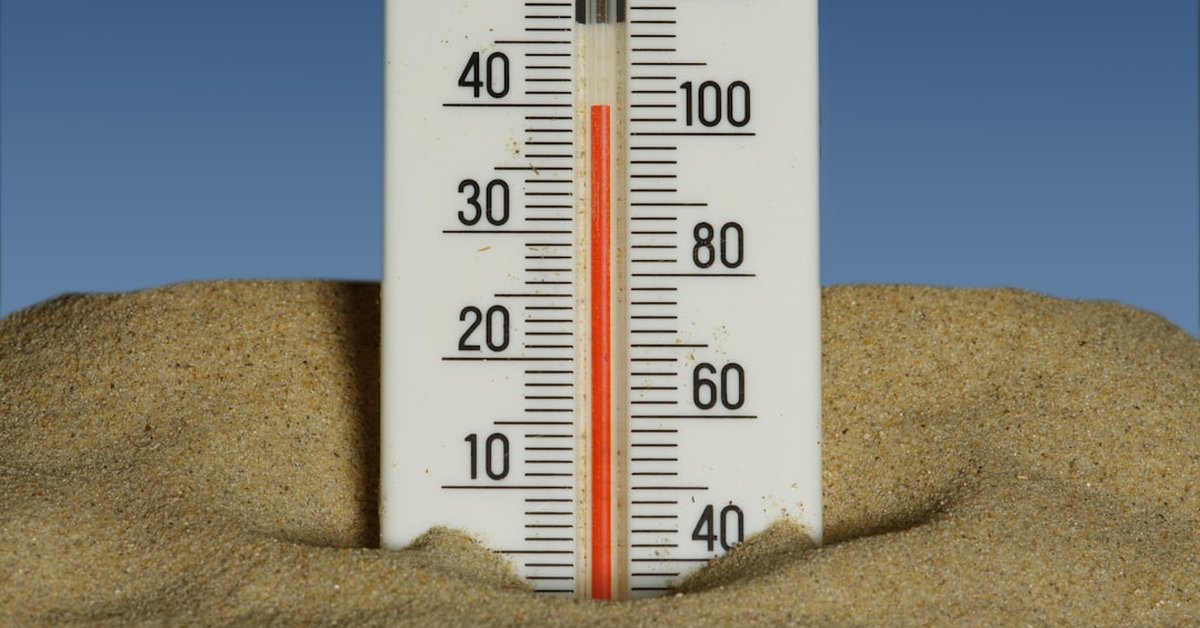
Earlier this month, the Eastern US was roasted by a heatwave that pushed the heat index past 105°F from Washington, D.C., to Boston. The National Weather Service issued repeated “life-threatening event” warnings. Yet in a survey conducted by the University of Maryland after the event, 38% of respondents admitted they had “seen the warning but not read it.”
“We were issuing alerts with language we thought would grab attention — DANGEROUS, LIFE-THREATENING, RECORD HEAT,” says Mark Richardson, a meteorologist with the National Weather Service in Philadelphia. “But people have seen those words before. The stock market crashes, hurricanes, even pandemics — the language of emergency gets diluted.”
The heatwave in question was no joke. From June 12 to June 18, 2024, temperatures in Philadelphia hit 98°F on three consecutive days. The heat index topped out at 112°F. Emergency rooms saw a 22% spike in heat-related illnesses. And yet, click-through rates on the official NWS mobile alerts hovered around 14% for the general public. For reference, a basic lightning warning in the same region typically sees 45% engagement.
Why Your Brain Swipes Left on Alerts
So why do we ignore warnings that are literally designed to save our lives? Dr. Thompson breaks it down into three factors: frequency, familiarity, and false alarms.
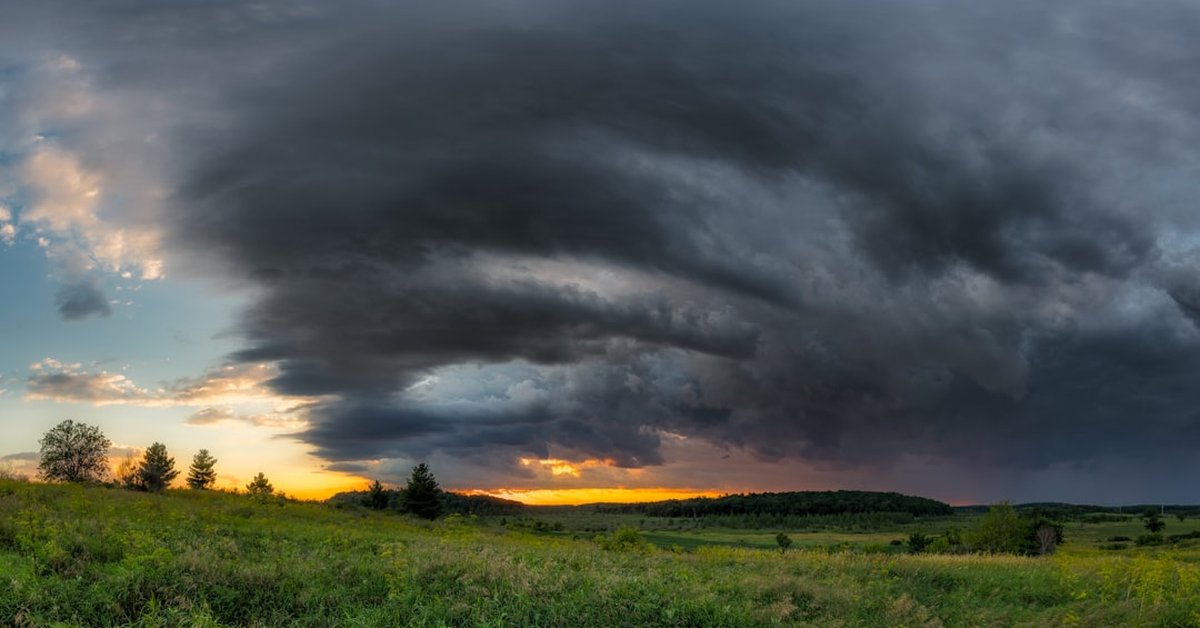
First, frequency. The average American living in the Midwest or Southeast received 47 severe weather alerts from their phone in 2023, according to a study in Bulletin of the American Meteorological Society. That’s almost one a week. The brain treats predictable signals as low-priority.
Second, familiarity. “If you’ve lived in Oklahoma for thirty years, a tornado watch feels like a Tuesday,” Thompson says. “You’ve survived a hundred of them. The risk feels abstract.”
Third, false alarms — or what experts call “near-misses.” The NWS’s warning accuracy has improved dramatically, but the margin between a warning and no warning is still razor-thin. A storm that misses your neighborhood by two miles still triggers an alert. After a few false alarms, trust erodes.
“We’ve all had the experience of seeing a severe thunderstorm warning, looking outside at blue sky, and thinking ‘the weatherman is wrong again,’” says Richardson. “That’s dangerous thinking, because the next one might actually hit your house.”
And here’s the kicker: the alerts themselves are often too similar. The same chime, the same phrasing, the same vibration pattern. When a heat index of 110°F feels like an oven, the brain needs more than a generic banner to shift from “annoyance” to “action.”
What Meteorologists Are Doing — and What You Can Do
The problem isn’t lost on the people writing the warnings. The NWS has been experimenting with more granular language, including specific impacts: “This heatwave could cause power outages in [neighborhood]” or “You may not feel thirsty, but your body is losing fluids.” They’re also testing tiered alarm sounds — a different tone for “imminent threat” versus “watch.”
“We need to break the pattern,” Richardson says. “One idea is to use location-specific data, like ‘your zip code has a 70% chance of reaching 100°F by noon.’ That’s harder to ignore than a county-wide advisory.”
Some researchers are going further. At the University of Colorado Boulder, a team is developing a smartphone app that uses behavioral nudges: instead of a text alert, the app displays a short video of someone suffering from heatstroke, followed by a map of the nearest cooling center. Early trials showed a 60% increase in people actually taking protective action.
But technology only goes so far. The contrast between Midwest storms and Southeast humidity is a good reminder that no two threats are the same — yet our brains lump them all into one buzzing pile.
When You Should Absolutely Click
Here’s the thing: not all alerts are created equal. A “tornado warning” with a polygon that includes your house? Click. An “extreme heat warning” that projects a heat index above 110°F for two straight days? Click. A “flash flood warning” for a burn scar zone? Definitely click.
But how do you tell which ones matter? Dr. Thompson suggests a simple mental shortcut: any alert that includes a specific time and specific location (like “until 3:15 PM for zip code 19104”) should get your full attention. Vague alerts — “heat advisory through Friday” — can be checked later. But even then, don’t swipe. Read the first line. It takes two seconds.
“I’m not asking people to obsess over weather,” Thompson says. “I’m asking them to treat their phone’s alert like a tap on the shoulder from a friend who’s shouting ‘Watch out!’ — not like a spam email.”
What’s Next? The Future of Warning Systems
The NWS is working on a next-generation alert system called “Impact Based Warnings 2.0” that will rank hazards by local vulnerability. A heatwave in a city with lots of elderly residents might trigger a stronger alert than the same temperature in a younger population. Artificial intelligence could help personalize the message: “You have asthma — poor air quality is expected tomorrow morning. Stay indoors.”
But the biggest change may need to come from us, the readers. We have to recognize that alert fatigue is real, but fighting it is a choice. Next time that buzzing feeling makes you want to dismiss a warning, pause. Ask yourself: “Is this the one I should have clicked?” Because one day — maybe tomorrow, maybe next summer — it will be. And you’ll be glad you didn’t swipe.
Frequently Asked Questions
- Why do I feel annoyed by weather alerts even when they’re accurate?
That’s alert fatigue — your brain has been exposed to so many warnings that it treats them as low-priority background noise. It’s a natural psychological response, but it can be dangerous if you stop paying attention entirely. - How can I tell if a warning is worth acting on immediately?
Look for three things: a specific time range (e.g., “until 4 PM”), a specific location (your zip code or neighborhood), and an impact statement (“this storm could cause power outages”). Vague county-wide warnings are important but less urgent. - Are heatwaves really as dangerous as tornadoes or hurricanes?
Statistically, heat kills more people per year in the US than hurricanes, tornadoes, or floods combined. A heat index of 110°F for more than two days can overwhelm even healthy bodies. Don’t underestimate the threat just because it moves slowly.