





The backlash was immediate when the first draft of the Nutrients Action Policy landed last year. Environmental groups called it a giveaway to agribusiness. Farmers said it was unworkable. Now, after months of negotiation and a rewrite that few expected to see so soon, the revised proposal is out — and it’s taking a strikingly different approach. Instead of policing everyone equally, the new framework would reward compliance with lighter oversight.
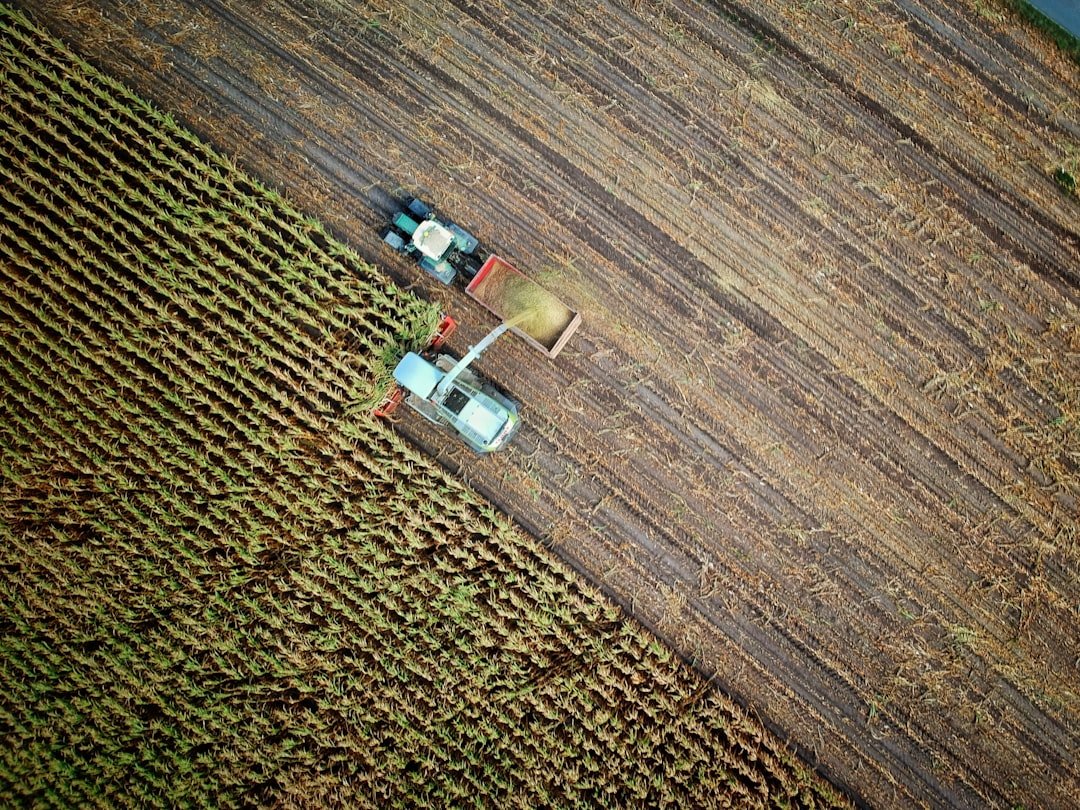
Under the latest draft, farmers who demonstrate a track record of meeting water quality standards could see their inspection frequency slashed by up to 60%. The policy, designed to curb agricultural runoff — the single largest source of nutrient pollution in many watersheds — essentially creates a two-tier system: low-risk producers get the fast lane; repeat offenders stay under the microscope.
“This is a fundamental shift from a one-size-fits-all regulatory model to a risk-based enforcement strategy,” says Dr. Helen Carter, a water policy researcher at the University of Reading. “It’s efficiency-minded, but it only works if the metrics for ‘compliant’ are genuinely rigorous.”
The proposal arrives amid a broader reckoning with agricultural pollution. In the U.S. alone, nutrient runoff from farms contributes to the Gulf of Mexico dead zone, which averaged 4,500 square miles over the past five years. In Europe, similar pressures have led to tighter manure management rules. The underlying tension is always the same: how to produce enough food without wrecking the water.
What the Proposal Actually Says
The revised Nutrients Action Policy — still in draft form — lays out a tiered inspection schedule. Farms classified as “low risk” would face inspections once every three years instead of annually. Those in the “high risk” category? They’d see no change, and could even face spot checks triggered by satellite monitoring of runoff plumes.
The classification hinges on several factors: past inspection results, adoption of best management practices like cover cropping and buffer strips, and participation in voluntary conservation programs. Farmers who opt into data-sharing agreements with environmental agencies would get additional credit.
Critics argue the system could be gamed. “If the self-reported data isn’t verified independently, then ‘compliant’ just means ‘good at paperwork,'” warns Mark Torres, a former EPA enforcement officer now consulting for environmental NGOs. He points to a 2022 Government Accountability Office report that found inconsistencies in state-level nutrient monitoring across the Mississippi River Basin.
Supporters counter that the policy frees up inspection resources for the worst offenders. “We’re drowning in data but starving for action,” says Iowa Farm Bureau spokesperson Rachel Benson. “If a farmer has a clean record, why tie up an inspector who could be stopping an actual polluter?”
The proposal also includes a “fast-track” appeals process for farmers who disagree with their risk classification — a response to the last draft’s criticism that it lacked due process.
Lessons from Last Year’s Firestorm
When the original policy launched in late 2023, it drew fire from all sides. Environmentalists decried weak targets — the initial plan aimed to reduce nitrogen loads by just 10% over a decade. Farmers balked at mandatory reporting requirements that they said would cost thousands of dollars in compliance software. The proposal stalled in committee.
The new draft uses a lighter hand. Mandatory reporting is gone, replaced by incentives: farmers who volunteer data get a faster review. The 10% reduction target has been bumped to 15%, but with a longer timeline — 15 years instead of 10. It’s a compromise that pleases nobody entirely but might actually pass.
“The first draft was an ambush,” says Dr. Carter. “This one feels like a negotiation.” She notes that the shift mirrors recent trends in USDA’s Conservation Stewardship Program, which rewards farmers for existing conservation work rather than prescribing new actions.
The timing matters. This spring’s heavy rains across the Midwest have already triggered dozens of nutrient-loss warnings — a preview of what summer hypoxia could look like. In New Water Quality Rules Drop After Last Year’s Controversy, we saw how quickly political pressure can reshape environmental policy. This proposal seems to follow that same playbook: adjust, accommodate, and hope the lawsuits don’t come.
What It Means for the Farmer — and the Stream
For a grain farmer in Illinois who’s already planted cover crops and built grassed waterways, the new policy could mean one less inspection visit per year. That saves time and money — maybe a couple thousand dollars in paperwork and lost labor. For a dairy operation in Wisconsin with a history of manure spills, the pressure remains high.
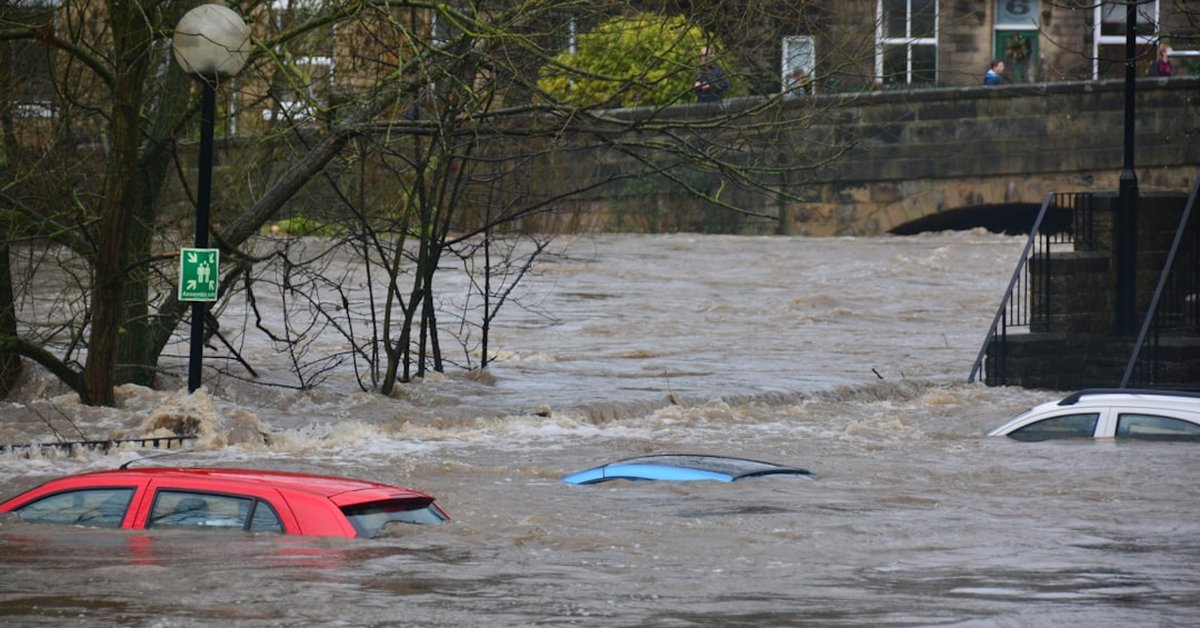
But the bigger question is whether the policy actually cleans up the water. Nutrient pollution isn’t just a farming problem — it’s amplified by extreme weather. Warmer temperatures and more intense rainfall, both linked to climate change, flush more phosphorus and nitrogen into streams. USGS data shows that since 2000, the number of days with high-flow events carrying excessive nutrients has increased 20% across the Corn Belt.
“You can design the perfect incentive program, but if a 50-year storm hits every five years now, your buffers get washed out,” says Torres. He points to Highmore, SD Under Siege: Tornadoes, Hail, and Flooding Wreak Havoc as a vivid example of how weather extremes overwhelm even the best-laid soil conservation plans.
The draft policy acknowledges this indirectly. It includes a “climate adaptation” adjustment that would lower inspection frequency further for farmers in areas that have experienced a federal disaster declaration. That clause, environmentalists worry, could become a loophole — as if extreme weather events are becoming so common that they’re treated as normal operating conditions.
And that’s the uncomfortable truth. We’re building a regulatory system for a climate that’s already shifting beneath our feet.
What Comes Next
The public comment period for the draft ends in 60 days. The agency expects to issue a final rule by early 2026 — provided the political winds don’t shift again. If a new administration comes in with different priorities, this whole thing could be scrapped or overhauled. There’s also talk of a legal challenge from environmental groups who say the policy violates the Clean Water Act by allowing fewer inspections.
For now, the message to farmers is clear: show us you’re doing the right thing, and we’ll trust you a little more. Whether that trust produces cleaner rivers — or just fewer bureaucratic headaches — is the experiment we’re about to run.
Frequently Asked Questions
How would a farmer qualify as “compliant” under the new proposal?
A farmer would need to have a clean inspection record for at least three consecutive years, have adopted specific best management practices such as cover crops or buffer strips, and voluntarily participate in a data-sharing program with the environmental agency. The exact threshold is still being finalized.
Would this policy apply to all farms or only large operations?
The proposal applies to all farms that fall under existing nutrient management regulations — typically operations above a certain size threshold (e.g., concentrated animal feeding operations or farms with over 100 acres of cropland). Small hobby farms are generally exempt but can opt in if they want reduced inspections.
What happens if a compliant farmer later has a pollution violation?
The farmer would immediately lose their low-risk classification and revert to the standard inspection schedule (annual or more frequent). Depending on the severity, they could also face penalties and be barred from re-entering the low-risk tier for several years.