






Remember the shouting? The angry letters from farmers, the environmental groups threatening legal action, the government scrambling to pull its own proposal off the table? That was last autumn, when the first draft of the Nutrients Action Policy hit the public eye and managed to offend just about everyone. And now? They’ve come back with a revised version. It’s out for consultation as of this morning.
The new draft—officially called the Draft Nutrients Action Policy 2025—aims to tackle something that sounds dry on paper but is anything but in practice: nitrogen and phosphorus runoff. These aren’t just abstract chemical names. When they wash off farm fields and into rivers, lakes, and coastal waters, they trigger algal blooms that choke aquatic life, poison drinking water, and, in extreme cases, create dead zones the size of small states. The U.S. Environmental Protection Agency has been tracking these dead zones for decades, and the news isn’t pretty.
But here’s the rub: the first attempt at this policy, released in November 2024, was a political grenade. Farmers said the proposed limits on fertilizer application would slash crop yields by up to 30 percent. Environmentalists countered that the loopholes for factory farms made the whole thing toothless. Municipal water managers complained that they’d bear the cleanup costs while agricultural polluters got a free pass. The government withdrew the draft within two weeks. Embarrassing, sure, but maybe necessary.
So what’s different this time?
What’s Actually in the New Draft
Let’s get into the weeds—pun intended. The revised policy lowers the allowable nitrogen concentration in waterways from 10 milligrams per liter to 7.5 mg/L. That’s a 25 percent reduction. Phosphorus limits drop from 0.5 mg/L to 0.3 mg/L. These numbers matter because they translate directly into how much fertilizer a farmer can spread per acre, which means they affect everything from corn yields in Iowa to potato harvests in Idaho.
The policy also introduces something called “tiered compliance zones.” Basically, areas with the most degraded water—think the Gulf Coast hypoxia zone or parts of the Chesapeake Bay watershed—face stricter limits and faster timelines. Cleaner regions get more wiggle room. It’s a targeted approach, and honestly, it makes sense. Blanket rules don’t work when the starting conditions in Montana are totally different from those in Maryland.
But here’s where it gets sticky. The policy still allows “voluntary conservation measures” for small farms—those under 50 acres. Environmental groups are already calling this a glaring loophole. “You can’t regulate your way to clean water if you exempt the very operations that are contributing to the problem,” said Dr. Ellen Marchetti, a water quality researcher at the University of Wisconsin-Madison, in an interview this morning. “Small farms collectively produce a significant share of runoff. Ignoring them is like trying to patch a leaky boat but only fixing one hole.”
The Human Cost of Waiting
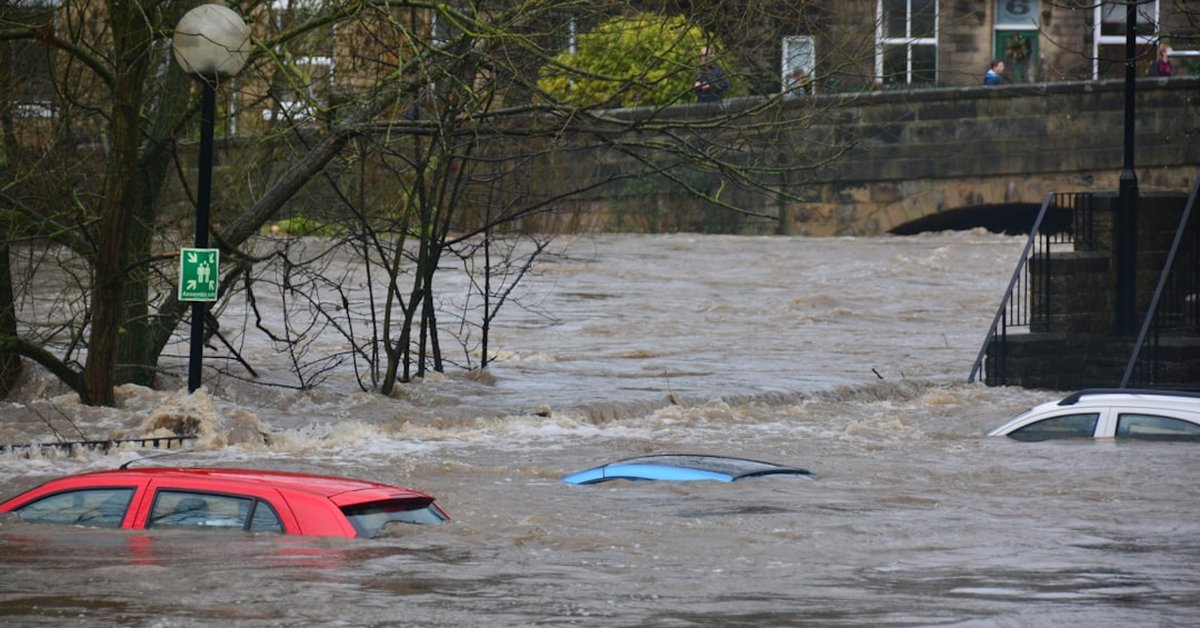
This isn’t just policy wonkery. People are affected. Right now, in 2025, communities along the Mississippi River are dealing with a massive algal bloom that’s already closing beaches and threatening drinking water intakes. The city of Des Moines spent $3.2 million last year on nitrate removal alone—costs that get passed directly to ratepayers. Meanwhile, farmers in the same watershed are caught between environmental regulations and the economic pressure to maximize yields.
“I want clean water. I really do. My kids swim in the same creeks,” said Tom Lindemann, a fourth-generation corn farmer in Hardin County, Iowa. “But if the rules are so strict that I can’t make a living, what’s the point? We need a middle ground.” Lindemann’s dilemma is the central tension of this entire debate. You can’t have food without farms, but you can’t have clean water without limits.
The new policy tries to balance these by offering subsidies for cover crops, buffer strips, and precision agriculture technology. Farmers who adopt these practices get a three-year grace period before full compliance kicks in. It’s a carrot-and-stick approach, but whether the carrots are big enough remains an open question.
What the Experts Are Saying
“This draft is a significant improvement over the previous version, but it still falls short of what the science demands. We’re seeing phosphorus concentrations in Lake Erie that are 40 percent higher than the targets set in the 2012 Great Lakes Water Quality Agreement. The policy needs to be bolder.”
That’s Dr. Raj Patel, a limnologist at the University of Michigan. He’s not alone in his caution. The Union of Concerned Scientists has pointed out that the timeline for implementation—full compliance by 2030—is too slow given the accelerating pace of eutrophication. Algal blooms, they note, are getting worse, not better, and climate change is making them more frequent by warming waters and intensifying rainfall that washes more nutrients into waterways. In fact, the intense heat waves forecast for this summer could exacerbate the problem, creating ideal conditions for toxic cyanobacteria blooms in lakes and reservoirs across the Midwest and Northeast.
The agriculture sector, meanwhile, has its own set of concerns. “We appreciate the extended timeline for small farms, but the overall reduction targets are still unrealistic for commodity crop production,” said Jennifer Rawls, a policy analyst with the American Farm Bureau Federation. “If we cut fertilizer use to the levels proposed, we could see a 15 to 20 percent drop in corn yields. That’s not sustainable when global food demand is rising.”
Both sides have points. And that’s the problem.
What Happens Next—and Why It Matters for You
The consultation period runs for 90 days, closing on August 15, 2025. Public hearings are scheduled in 12 cities, from Des Moines to Washington, D.C. to Sacramento. The final policy is expected by November, with implementation beginning in the spring of 2026. That’s the timeline.
But here’s what this means for the average reader in the U.S., UK, or Canada: clean water doesn’t come from nowhere. Whether you’re sipping tap water in Toronto or fishing in the Thames, the nutrients that run off farms eventually end up in your water supply. The cost of cleanup—whether through higher water bills, taxes, or lost recreational opportunities—is shared by everyone. This policy is trying to shift some of that burden back to the polluters. Will it work?
Maybe. But the clock is ticking. The first draft died because it tried to please everyone and pleased no one. This draft might be better, but it’s walking a tightrope. If consultation reveals too much opposition, we’re back to square one. And the algae won’t wait.
Frequently Asked Questions
Frequently Asked Questions
What is the Nutrients Action Policy?
The Nutrients Action Policy is a proposed set of regulations by the U.S. government aimed at reducing nitrogen and phosphorus pollution in rivers, lakes, and coastal waters. It sets limits on fertilizer application and runoff from agricultural and urban sources to prevent harmful algal blooms and dead zones.
Why was the first draft withdrawn?
The initial draft, released in November 2024, faced widespread backlash from farmers who said the fertilizer limits would devastate crop yields, environmentalists who argued the exemptions for factory farms were too generous, and municipal water managers who felt the cleanup costs were unfairly shifted onto cities. The government withdrew it within two weeks to revise.
How can the public participate in the consultation?
The consultation runs until August 15, 2025. Individuals can submit written comments through the Federal Register portal, attend one of 12 public hearings scheduled across the country, or participate in online town halls. Details are available on the EPA’s website.